U.
HomeRegionsLanguagesEmotionsCollections
Find Your Word

“The limits of my language mean the limits of my world.”

— Ludwig Wittgenstein, Philosopher

Untranslatable

A curated collection of the world's most beautiful expressions—words that remind us language is humanity's greatest invention.

  • Home
  • Collections
  • Regions
  • Countries
  • Emotions
  • Tags
  • Contexts
  • Finder
  • Europe
  • Asia
  • Americas
  • Africa
  • Middle East
  • About
  • Contact
  • Privacy Policy
  • Terms of Service

2026 © Untranslatable. All rights reserved.

    1. Home
    2. /
    3. About
    4. /
    5. Kwame Nkrumah
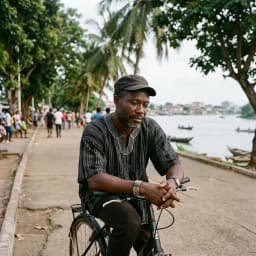
    Portrait of Kwame Nkrumah

    Kwame Nkrumah

    Unearthing the stories woven into West African lexicons.

    AfricaTwiEweGaYoruba

    306 phrases · 84 languages · 5 regions

    About Kwame

    Kwame Nkrumah is a linguist and cultural researcher, born and raised in Accra, Ghana. His early fascination with the nuances of local dialects, particularly the proverbs and storytelling traditions passed down through generations, led him to pursue a degree in linguistics at the University of Ghana. After several years working as a translator for NGOs, Kwame recognized a recurring challenge: certain concepts, deeply embedded in indigenous West African languages, defied direct translation into English or French. This realization sparked his current endeavor: meticulously documenting these untranslatable words, not just their definitions, but the cultural contexts, historical roots, and everyday situations that give them meaning.

    He travels extensively across West Africa, often by local transport, spending weeks in villages and urban centers, conducting interviews with elders, artisans, and storytellers. His work involves recording conversations, transcribing local lore, and participating in community life to grasp the full spectrum of a word's usage. Kwame believes that each untranslatable word is a unique window into a culture's worldview. When he's not in the field, he enjoys cooking fufu and light soup, a skill he perfected after many attempts to replicate his grandmother's recipe.

    A few phrases by Kwame Nkrumah

    See all 306 phrases
    • Hawaiian

      'Aumakua

      /AH-oo-MAH-koo-ah/

      'Aumakua refers to the ancestral spirits or deified ancestors who are believed to watch over and guide their living relatives. These spirits can manifest in physical forms, such as animals or natural phenomena, serving as protectors and messengers. They are deeply integrated into Hawaiian culture, representing a connection to the past, a source of wisdom, and a constant presence in the lives of families. The concept embodies a profound sense of familial continuity and spiritual guardianship that transcends the physical realm.

      Lit. ancestral spirit

      The term 'aumakua is used in discussions about Hawaiian spirituality, family history, ancestral reverence, and traditional beliefs. It's invoked when referring to protective spirits, familial lineage, or spiritual guidance.

      United States
      belonging
    • Javanese

      Abangan

      /ah-BAH-ngahn/

      Abangan describes a unique Javanese cultural and spiritual identity, characterized by a syncretic blend of indigenous animism, Hindu-Buddhist traditions, and a nominal adherence to Islam. It signifies a worldview where spirituality is deeply integrated into daily life, communal customs, and the veneration of ancestors, often prioritizing social harmony and traditional rituals over strict Islamic dogma. This identity reflects a deeply rooted Javanese approach to faith, where spiritual practice is fluid and interwoven with cultural heritage, creating a distinct path that resists singular religious classification.

      Lit. The term 'abangan' in Javanese does not have a direct literal translation that captures its full cultural meaning; it is more of an identifier for a particular socio-religious group.

      Used to describe a segment of the Javanese population whose religious practice is a blend of Islamic, Hindu-Buddhist, and animist traditions, often contrasted with 'santri' who adhere more strictly to Islamic teachings. It's a socio-cultural identifier rather than a purely religious one.

      Indonesia
      belonging
    • Akan

      Aboakyer

      /ah-BOH-ah-kyair/

      Aboakyer, literally 'the work of catching a deer,' is a spectacular annual festival of the Effutu people in Winneba, Ghana. It marks a vibrant display of communal strength and ancestral reverence, where two Asafo (warrior) companies compete to capture a live bushbuck using only their bare hands and traditional nets. This sacred act, culminating in the presentation of the deer to the Okyenhene (Paramount Chief), is a powerful re-enactment of their migration history and a vital ritual for the community's prosperity and spiritual well-being.

      Lit. The work of catching a deer

      The word 'Aboakyer' is used to refer to the annual festival itself, as well as the traditional practice and the history associated with it.

      Ghana
      belonging
    • Dinka

      Abok

      /ah-BOK/

      In Dinka, 'Abok' signifies a profound, almost sacred, spiritual and physical tether to one's ancestral lineage and the very land they inhabit. It's a living relationship, a deep resonance with the spirits of those who came before, and a recognition that their wisdom and sacrifices continue to shape the present. This concept embodies a grounding sense of belonging, an intertwined identity with the soil and the stories etched into it, compelling individuals to uphold community traditions and ensure the continuity of their heritage for future generations.

      Lit. Ancestral connection

      Used to express a deep connection to ancestry and homeland.

      South Sudan
      belonging