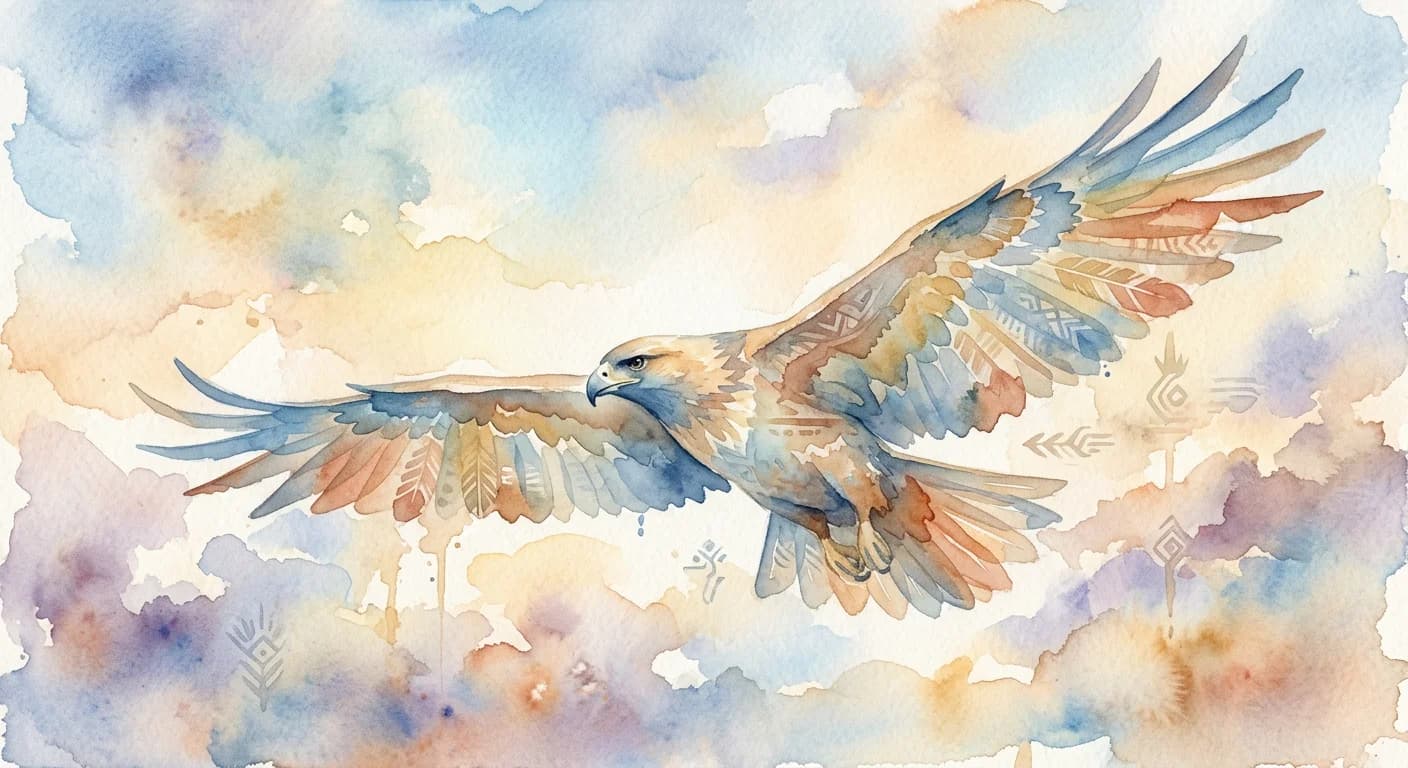
Cuauhtli
/KWAH-ooht-lee/
Meaning
Cuauhtli is far more than just the Nahuatl word for 'eagle'; it embodies the very essence of Aztec power, divine connection, and martial prowess. This majestic bird, with its piercing gaze and soaring flight, symbolized the sun's fiery energy, the warrior's indomitable spirit, and the ability to transcend earthly limitations. It represented nobility, courage, and a sacred link to the celestial realms, inspiring awe and reverence within the Aztec worldview. To be called 'cuauhtli' was to be recognized for exceptional strength and spiritual significance.
Literal Translation
eagle
The Story Behind the Word
The word 'cuauhtli' is deeply embedded in the cosmological and social fabric of the Aztec Empire. Eagles, especially the golden eagle, were considered sacred animals, direct manifestations of the sun god Huitzilopochtli. Their presence in art, codices, and rituals underscored their role as messengers between the heavens and earth, guides for warriors, and symbols of imperial might. The eagle warrior societies, the Cuauhtli, were among the most elite and feared military units, embodying the bird's ferocity and strategic vision. The very foundation myth of Tenochtitlan, where an eagle devouring a serpent on a nopal cactus marked the sacred site, highlights the 'cuauhtli' as a foundational symbol of national identity, divine favor, and destiny. This reveals a worldview where the natural world is imbued with profound spiritual meaning, and human actions are often reflections of cosmic forces.
Experience It
Warrior's Valor
A young Aztec warrior, having proven his exceptional bravery in battle, is honored by his elders. They declare, 'He fights with the spirit of a cuauhtli!' recognizing his courage and fierceness, akin to the noble bird.
Calendar's Prophecy
A priest consults the Tonalpohualli to determine an auspicious day for a major ceremony. He notes the 17th day, 'Cuauhtli,' and proclaims, 'The feathered serpent's will is strong today; the cuauhtli watches over us, ensuring power and good fortune.'
The Deeper Meaning
Cuauhtli reveals an Aztec philosophy where the natural world is not merely a resource but a living tapestry of divine signs and spiritual power. The eagle's attributes — keen sight, soaring ambition, and predatory strength — were not just admired but seen as virtues to be emulated and integrated into human conduct, especially in leadership and warfare. It underscores a worldview where destiny is intertwined with natural phenomena and where humans strive to align themselves with powerful cosmic forces.
Did You Know?
The eagle on the Mexican flag, devouring a serpent atop a nopal cactus, directly references the Aztec founding myth, where the sign of the 'cuauhtli' indicated the sacred site for Tenochtitlan.
How It's Used
The word 'cuauhtli' is used to refer to the eagle, particularly in contexts related to Aztec history, mythology, and symbolism. It is also the name of the 17th day of the Aztec calendar (Tonalpohualli), which was considered auspicious and associated with the eagle's attributes.