U.
HomeRegionsLanguagesEmotionsCollections
Find Your Word

“The limits of my language mean the limits of my world.”

— Ludwig Wittgenstein, Philosopher

Untranslatable

A curated collection of the world's most beautiful expressions—words that remind us language is humanity's greatest invention.

  • Home
  • Collections
  • Regions
  • Countries
  • Emotions
  • Tags
  • Contexts
  • Finder
  • Europe
  • Asia
  • Americas
  • Africa
  • Middle East
  • About
  • Contact
  • Privacy Policy
  • Terms of Service

2026 © Untranslatable. All rights reserved.

    /
    /
    1. Home
    2. /
    3. Middle East
    4. /
    5. Bayram
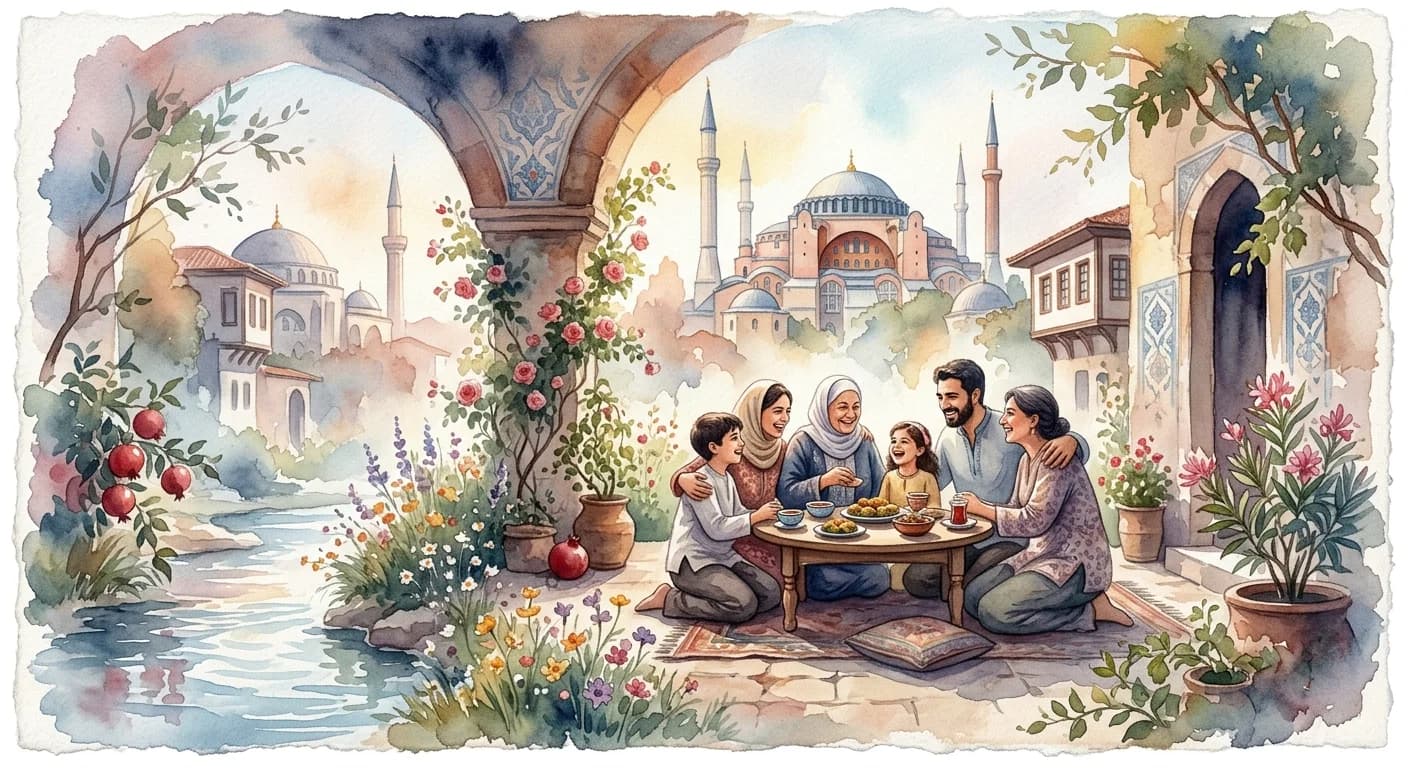
    Artistic representation of Bayram
    Turkish•
    🇦🇿Azerbaijan🇨🇾Cyprus🇹🇷Turkey

    Bayram

    /BYE-rahm/

    Meaning

    Bayram transcends a mere holiday; it's a profound period of spiritual rejuvenation and communal solidarity in Turkish culture. Marking the conclusion of Ramadan or the Hajj pilgrimage, it's a vibrant tapestry woven with heartfelt family reunions, joyous feasts featuring special delicacies, and the symbolic donning of new attire. This sacred time emphasizes deep-seated values of forgiveness, boundless generosity, and the vital strengthening of social bonds, fostering an unparalleled sense of unity and collective joy across generations.

    Literal Translation

    Festival or holiday

    The Story Behind the Word

    The existence of 'Bayram' in Turkish culture reveals a worldview deeply rooted in community, spiritual reflection, and historical continuity. Derived from Arabic, its adoption signifies the profound influence of Islam on Turkish identity, integrating religious observances into the very fabric of societal life. Bayram is not just a break from routine; it is a mandated period for collective spiritual and social renewal, reflecting a cultural emphasis on maintaining harmony and connection within the extended family and wider community. The traditions, from visiting elders to offering sweets to children, are passed down through generations, reinforcing a sense of shared heritage and belonging. It underscores a belief in cyclical renewal, both personal and communal, tied to the rhythms of faith.

    Experience It

    Family Bayram Visit

    A young child, dressed in new clothes, excitedly kisses the hands of her grandparents, receiving a crisp banknote and a piece of baklava in return. The air is thick with laughter and the aroma of simmering dishes, as relatives from across the city gather to share stories and strengthen their bonds during Ramazan Bayramı.

    Kurban Bayramı Sacrifice

    A family gathers in their courtyard, observing the ritual sacrifice of a lamb, an act of piety and gratitude during Kurban Bayramı. Portions of the meat are meticulously prepared to be shared with less fortunate neighbors, embodying the spirit of generosity and communal responsibility that defines the holiday.

    The Deeper Meaning

    Bayram encapsulates a philosophy of life centered on gratitude, humility, and interconnectedness. It encourages a pause from material pursuits to focus on spiritual growth and the reinforcement of human relationships. The emphasis on forgiveness and generosity reflects a worldview where communal well-being and moral rectitude are paramount, recognizing that individual happiness is deeply intertwined with the health and harmony of the collective.

    Did You Know?

    During Bayram, it's customary for children to go door-to-door, similar to trick-or-treating, to collect sweets and small amounts of money from relatives and neighbors as part of the festive tradition.

    How It's Used

    Bayram is used to refer to two major Islamic holidays: Ramazan Bayramı (Eid al-Fitr) and Kurban Bayramı (Eid al-Adha). It's a greeting exchanged during the holiday period, signifying well wishes.

    Emotions
    belonging,gratitude,joy,warmth
    Contexts
    celebration,dining,family,greeting
    🇦🇿Azerbaijan🇨🇾Cyprus🇹🇷Turkey

    by Sofia Rossi·Written Mar 10, 2026·Updated Apr 3, 2026

    Related Words

    Explore more
    GezelligDutch

    Gezellig encapsulates a profound sense of warmth, belonging, and convivial comfort, extending beyond mere coziness to embrace the social and emotional atmosphere. It's the feeling of being truly at ease, surrounded by good company, laughter, and a shared sense of contentment. This untranslatable term describes not just a physical space, but a holistic experience where time seems to slow down, fostering genuine connection and a deep sense of well-being.

    SobremesaSpanish

    Sobremesa is the cherished, often extended period immediately following a meal, particularly lunch or dinner, where diners remain seated at the table to enjoy conversation, coffee, and digest not just the food, but the company itself. It’s a dedicated time for unhurried social bonding, storytelling, and shared laughter, transforming a simple meal into a profound communal experience. Far from just clearing the dishes, sobremesa is an integral part of Spanish social life, often lasting for hours.

    Pura vidaSpanish

    More than just 'pure life,' "Pura vida" encapsulates a profound philosophy of embracing the present moment with unwavering optimism and gratitude. It's a daily commitment to finding joy in simple pleasures, accepting life's challenges with a positive spirit, and prioritizing well-being over material possessions. This ubiquitous phrase reflects a national identity built on resilience, community, and an deep appreciation for nature's bounty.

    JayusIndonesian

    Jayus describes that peculiar moment when a joke is so utterly devoid of humor, so poorly delivered, or so nonsensical that its very ineptitude triggers an involuntary, almost sympathetic burst of laughter. It's not laughter at the joke itself, but rather a reaction to the sheer awkwardness and the unexpected, delightful absurdity of someone failing so spectacularly to be funny. The humor stems from the meta-experience of witnessing a comedic train wreck, transforming discomfort into a shared moment of mirth.