U.
HomeRegionsLanguagesEmotionsCollections
Find Your Word

“The limits of my language mean the limits of my world.”

— Ludwig Wittgenstein, Philosopher

Untranslatable

A curated collection of the world's most beautiful expressions—words that remind us language is humanity's greatest invention.

  • Home
  • Collections
  • Regions
  • Countries
  • Emotions
  • Tags
  • Contexts
  • Finder
  • Europe
  • Asia
  • Americas
  • Africa
  • Middle East
  • About
  • Contact
  • Privacy Policy
  • Terms of Service

2026 © Untranslatable. All rights reserved.

    /
    /
    1. Home
    2. /
    3. Americas
    4. /
    5. Cafune
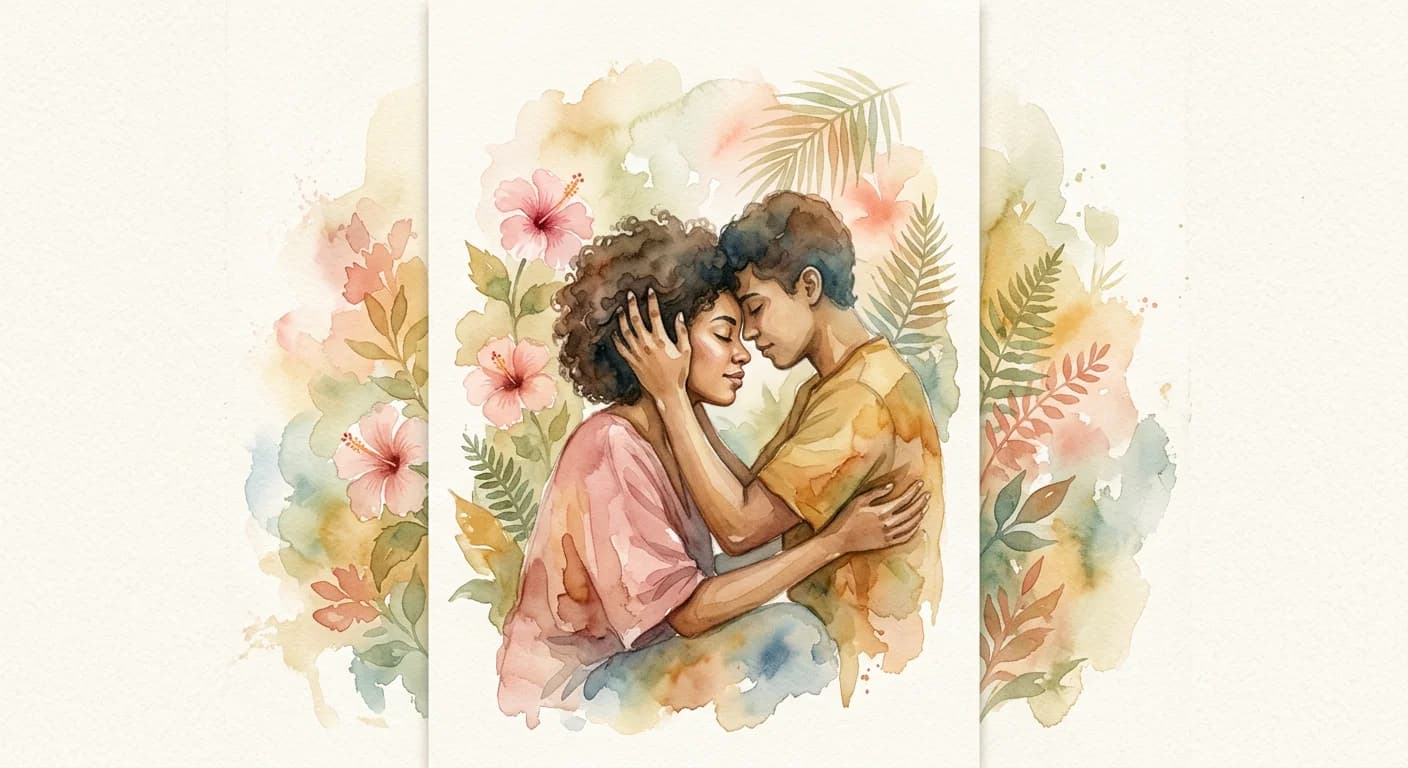
    Artistic representation of Cafune
    Portuguese•
    🇧🇷Brazil🇵🇹Portugal

    Cafune

    /kah-FOO-neh/

    Meaning

    Cafuné is the tender, almost meditative act of gently running one's fingers through another person's hair, a gesture imbued with profound affection and unspoken intimacy. It's a quiet declaration of care, a soothing caress that transcends mere physical touch to forge a deep emotional connection. This gentle act can melt anxieties, offer comfort, and solidify bonds between lovers, family, or cherished friends, creating a shared moment of serene vulnerability and belonging.

    Literal Translation

    null

    The Story Behind the Word

    The existence of 'cafuné' in Brazilian Portuguese highlights a cultural emphasis on physical affection as a fundamental aspect of interpersonal relationships and emotional expression. In Brazilian society, touch often conveys warmth, trust, and intimacy in ways that words alone cannot. 'Cafuné' is not just a verb; it's a recognized social ritual, a non-verbal language of tenderness passed down through generations, often associated with childhood comfort and romantic gestures. It speaks to a worldview where emotional well-being is deeply intertwined with physical closeness and where small, tender actions are valued as significant expressions of love and care, fostering strong communal and familial ties.

    Experience It

    Comforting a Child

    After a long day, little Ana snuggled into her mother's lap, recounting her school adventures. Her mother gently began a cafuné, her fingers tracing soothing patterns through Ana's soft hair, instantly melting away the day's stresses and filling the moment with warmth and security.

    Quiet Romantic Moment

    Lying on the hammock under the afternoon sun, João rested his head on Maria's shoulder. Without a word, Maria started a slow cafuné, her touch a silent symphony of love that spoke volumes more than any spoken endearment, deepening their shared peace.

    The Deeper Meaning

    The word 'cafuné' embodies a philosophical appreciation for the subtle power of touch and presence in human connection. It suggests that true intimacy often resides not in grand declarations, but in quiet, tender gestures that communicate care, comfort, and belonging. It underscores a belief that emotional bonds are nurtured through shared vulnerability and the physical expression of affection, prioritizing heartfelt connection over verbal articulation.

    Did You Know?

    While commonly associated with romantic partners, 'cafuné' is also a common gesture of affection from parents to children, or even between close friends, highlighting its versatility in expressing different forms of love and care.

    How It's Used

    Used to describe the act of caressing someone's hair, typically in an affectionate or romantic context.

    Emotions
    belonging,comfort,love,warmth
    Contexts
    family,relaxation,romance
    🇧🇷Brazil🇵🇹Portugal

    by Sofia Rossi·Written Mar 14, 2026·Updated Apr 3, 2026

    Related Words

    Explore more
    GezelligDutch

    Gezellig encapsulates a profound sense of warmth, belonging, and convivial comfort, extending beyond mere coziness to embrace the social and emotional atmosphere. It's the feeling of being truly at ease, surrounded by good company, laughter, and a shared sense of contentment. This untranslatable term describes not just a physical space, but a holistic experience where time seems to slow down, fostering genuine connection and a deep sense of well-being.

    SobremesaSpanish

    Sobremesa is the cherished, often extended period immediately following a meal, particularly lunch or dinner, where diners remain seated at the table to enjoy conversation, coffee, and digest not just the food, but the company itself. It’s a dedicated time for unhurried social bonding, storytelling, and shared laughter, transforming a simple meal into a profound communal experience. Far from just clearing the dishes, sobremesa is an integral part of Spanish social life, often lasting for hours.

    Pura vidaSpanish

    More than just 'pure life,' "Pura vida" encapsulates a profound philosophy of embracing the present moment with unwavering optimism and gratitude. It's a daily commitment to finding joy in simple pleasures, accepting life's challenges with a positive spirit, and prioritizing well-being over material possessions. This ubiquitous phrase reflects a national identity built on resilience, community, and an deep appreciation for nature's bounty.

    MamihlapinatapaiYaghan

    Mamihlapinatapai encapsulates that profound, unspoken moment when two individuals lock eyes, each silently acknowledging a mutual desire or intention, yet both hesitate to be the first to act upon it. It's a delicate dance of anticipation, a shared gaze brimming with common understanding and a quiet longing for the other to break the ice. This intricate look carries the weight of a shared, uninitiated potential, a silent conversation where both parties are perfectly aware of what could happen, but neither makes the first move.