U.
HomeRegionsLanguagesEmotionsCollections
Find Your Word

“The limits of my language mean the limits of my world.”

— Ludwig Wittgenstein, Philosopher

Untranslatable

A curated collection of the world's most beautiful expressions—words that remind us language is humanity's greatest invention.

  • Home
  • Collections
  • Regions
  • Countries
  • Emotions
  • Tags
  • Contexts
  • Finder
  • Europe
  • Asia
  • Americas
  • Africa
  • Middle East
  • About
  • Contact
  • Privacy Policy
  • Terms of Service

2026 © Untranslatable. All rights reserved.

    /
    /
    1. Home
    2. /
    3. Americas
    4. /
    5. Estancia
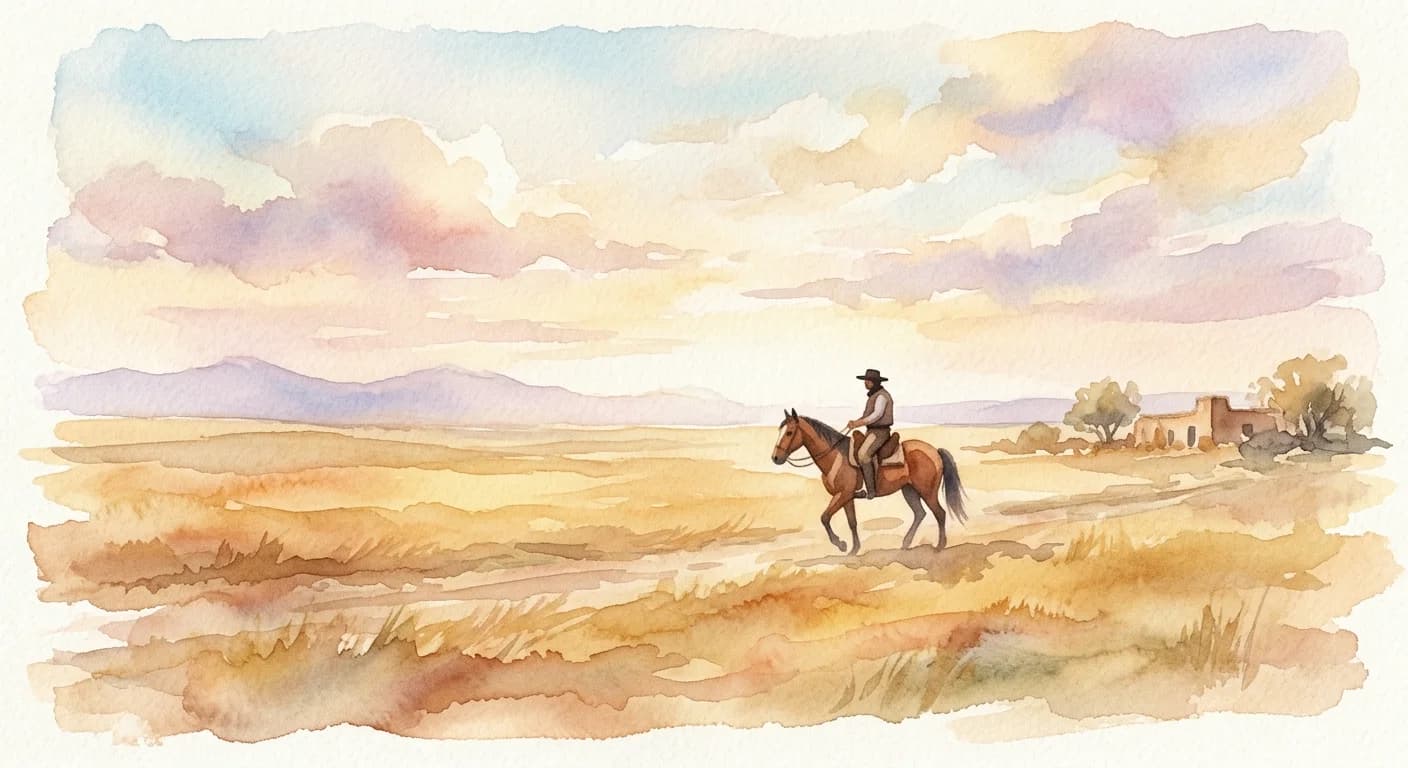
    Artistic representation of Estancia
    Spanish•
    🇦🇷Argentina🇧🇷Brazil🇵🇾Paraguay🇺🇾Uruguay

    Estancia

    /es-TAHN-see-ah/

    Meaning

    An "estancia" is more than just a large rural property; it's a living symbol of Argentina's vast pampas and its enduring agricultural soul. These expansive estates, often spanning thousands of hectares, are the heartland of cattle ranching and farming, embodying a deeply ingrained way of life. They are cultural bastions where the traditions of the gaucho – horsemanship, independence, and connection to the land – are not merely preserved but actively lived, shaping a unique socio-economic landscape and a romanticized vision of rural belonging.

    Literal Translation

    Dwelling, stay, or farm

    The Story Behind the Word

    The concept of the estancia emerged prominently during Argentina's colonial and post-colonial periods, as vast tracts of land were granted or acquired, shaping the nation's economic and social fabric. It became the epicenter of a powerful landowning class and the birthplace of the gaucho culture, a figure celebrated for their skill, freedom, and deep bond with the pampas. The estancia represents a foundational element of Argentine identity, reflecting a historical relationship with the land that is both economic and spiritual. It signifies self-sufficiency, heritage, and a particular aristocratic-agrarian ideal, influencing literature, music, and the national consciousness. The word itself evokes images of sprawling fields, iconic architecture, and a rhythm of life dictated by nature and livestock, symbolizing a connection to the 'roots' of the country.

    Experience It

    Family Estancia Legacy

    Generations of the Rodríguez family had lived and worked their estancia, 'La Tranquera.' Every Sunday, they gathered for an asado, the smell of grilling meat mingling with the scent of damp earth, while their children learned to ride horses across the endless fields, inheriting a legacy forged from land and tradition.

    City Escape to Estancia

    Tired of Buenos Aires's bustle, Ana booked a week at an estancía de turismo. She spent her days riding alongside gauchos, learning about cattle herding, and evenings stargazing under an impossibly vast sky, feeling a profound connection to Argentina's authentic rural heart.

    The Deeper Meaning

    The 'estancia' reveals a philosophy deeply rooted in the concept of belonging to the land, rather than simply owning it. It speaks to a cyclical existence tied to nature's rhythms, where hard work, community, and tradition are paramount. It embodies a romanticized view of self-sufficiency and a reverence for the vast, untamed pampas, suggesting that true wealth lies in connection to one's heritage and the natural world.

    Did You Know?

    Many historic estancias in Argentina have been converted into luxurious 'estancias de turismo' or guest ranches, offering visitors an authentic experience of gaucho culture and the pampas lifestyle.

    How It's Used

    Used to refer to large rural estates, particularly in South America, and the lifestyle associated with them.

    Emotions
    belonging,comfort,nostalgia,warmth
    Contexts
    family,nature,travel,work
    🇦🇷Argentina🇧🇷Brazil🇵🇾Paraguay🇺🇾Uruguay

    by Annelise Dubois·Written Mar 14, 2026·Updated Apr 3, 2026

    Related Words

    Explore more
    GezelligDutch

    Gezellig encapsulates a profound sense of warmth, belonging, and convivial comfort, extending beyond mere coziness to embrace the social and emotional atmosphere. It's the feeling of being truly at ease, surrounded by good company, laughter, and a shared sense of contentment. This untranslatable term describes not just a physical space, but a holistic experience where time seems to slow down, fostering genuine connection and a deep sense of well-being.

    SobremesaSpanish

    Sobremesa is the cherished, often extended period immediately following a meal, particularly lunch or dinner, where diners remain seated at the table to enjoy conversation, coffee, and digest not just the food, but the company itself. It’s a dedicated time for unhurried social bonding, storytelling, and shared laughter, transforming a simple meal into a profound communal experience. Far from just clearing the dishes, sobremesa is an integral part of Spanish social life, often lasting for hours.

    Pura vidaSpanish

    More than just 'pure life,' "Pura vida" encapsulates a profound philosophy of embracing the present moment with unwavering optimism and gratitude. It's a daily commitment to finding joy in simple pleasures, accepting life's challenges with a positive spirit, and prioritizing well-being over material possessions. This ubiquitous phrase reflects a national identity built on resilience, community, and an deep appreciation for nature's bounty.

    MamihlapinatapaiYaghan

    Mamihlapinatapai encapsulates that profound, unspoken moment when two individuals lock eyes, each silently acknowledging a mutual desire or intention, yet both hesitate to be the first to act upon it. It's a delicate dance of anticipation, a shared gaze brimming with common understanding and a quiet longing for the other to break the ice. This intricate look carries the weight of a shared, uninitiated potential, a silent conversation where both parties are perfectly aware of what could happen, but neither makes the first move.