Cajón
/kah-HON/
Meaning
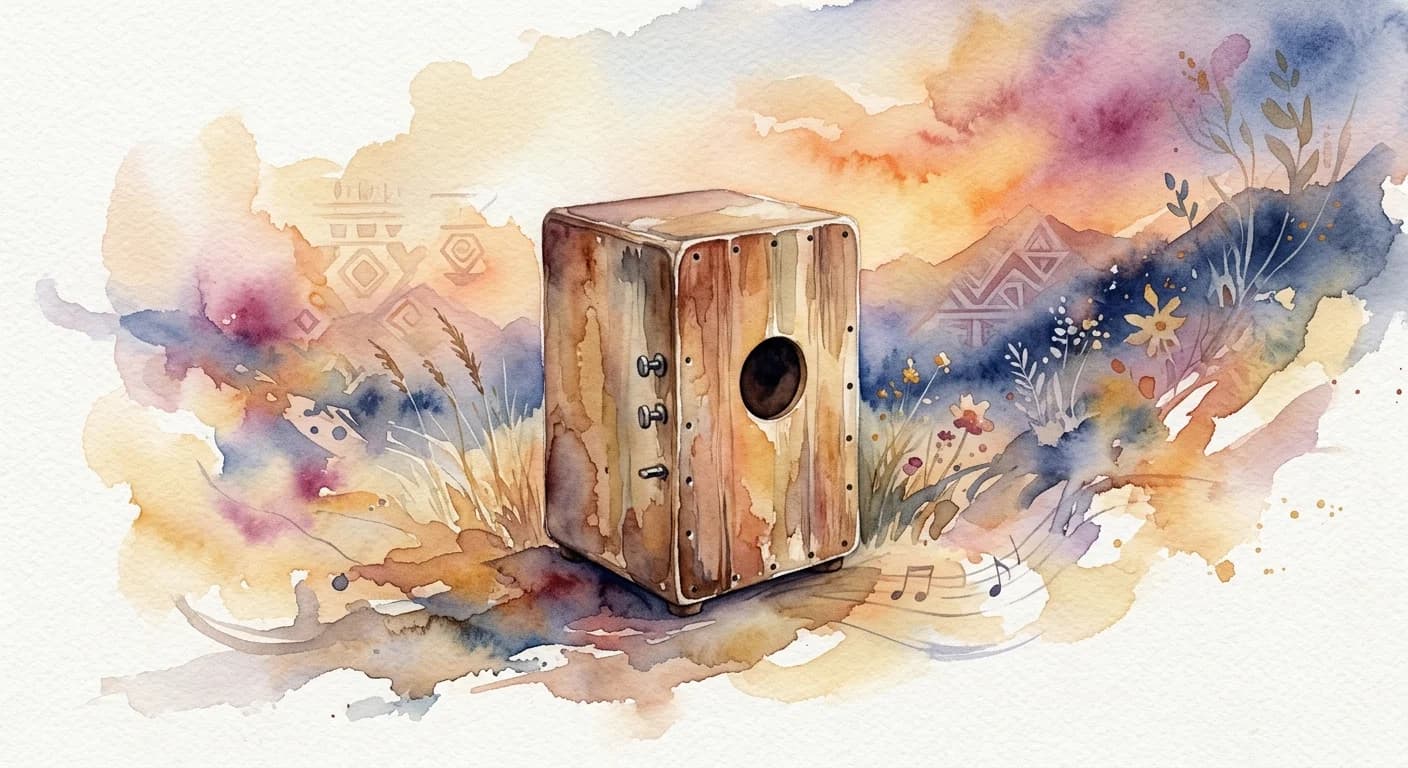
While literally translating to 'box' or 'drawer,' in its profound cultural context, 'cajón' refers to a percussion instrument that is essentially a wooden box. This instrument, born out of necessity and immense creativity, particularly among enslaved Africans in colonial Peru, became the pulsating heart of Afro-Peruvian music and culture. It embodies resilience, the ingenious ability to forge rhythm and soul from simple, repurposed materials, and a deep connection to ancestral traditions. The sound it produces is vibrant, resonant, and capable of conveying a spectrum of human emotion, making it far more than just a box but a living symbol of musical heritage and ingenuity.
Literal Translation
Box, drawer
The Story Behind the Word
The 'cajón' emerged from a history of oppression and resistance. During colonial times in Peru, enslaved Africans were forbidden from using their traditional drums, which were seen as instruments of rebellion. Resourceful and defiant, they turned to whatever materials were at hand – shipping crates, discarded furniture, or even fruit boxes – transforming them into percussive instruments. This act of repurposing a mundane object into a powerful musical voice speaks volumes about the indomitable spirit of Afro-Peruvians. The cajón became a clandestine symbol of cultural preservation and a vessel for collective memory, carrying the rhythms and melodies of their homeland through generations. It reveals a worldview where creativity flourishes even in adversity, and where rhythm is an inherent part of life, capable of expressing joy, sorrow, and defiance.
Experience It
Fiesta Criolla
At a lively 'peña' in Lima, the 'cajón' player taps a complex rhythm, his hands dancing across the wooden surface. The deep thumps and crisp slaps provide the vibrant backbone for a 'festejo,' inspiring dancers to move with infectious energy, celebrating their shared heritage.
Street Corner Serenade
An old man sits on a 'cajón' on a bustling Miraflores street, his weathered hands creating a soulful, melancholic beat. Passersby pause, drawn in by the raw emotion emanating from the simple wooden box, a testament to its power to tell stories without words.
The Deeper Meaning
The 'cajón' embodies a profound philosophy of 'making do' and finding beauty and purpose in the overlooked. It teaches that true artistry isn't dependent on expensive or specialized tools, but on the human spirit's capacity for innovation and expression. This instrument signifies resilience, the ability to transform limitations into opportunities, and the enduring power of culture to thrive even under the harshest conditions, reminding us that rhythm and soul can be found everywhere.
Did You Know?
The Peruvian cajón was officially recognized as a 'National Heritage' of Peru in 2001, cementing its status as a vital symbol of national identity and cultural pride.
How It's Used
Used to refer to the percussion instrument, a wooden box played with the hands and feet, prominent in Afro-Peruvian music and other Latin American genres.