U.
HomeRegionsLanguagesEmotionsCollections
Find Your Word

“The limits of my language mean the limits of my world.”

— Ludwig Wittgenstein, Philosopher

Untranslatable

A curated collection of the world's most beautiful expressions—words that remind us language is humanity's greatest invention.

  • Home
  • Collections
  • Regions
  • Countries
  • Emotions
  • Tags
  • Contexts
  • Finder
  • Europe
  • Asia
  • Americas
  • Africa
  • Middle East
  • About
  • Contact
  • Privacy Policy
  • Terms of Service

2026 © Untranslatable. All rights reserved.

    /
    /
    1. Home
    2. /
    3. Americas
    4. /
    5. Aguayo
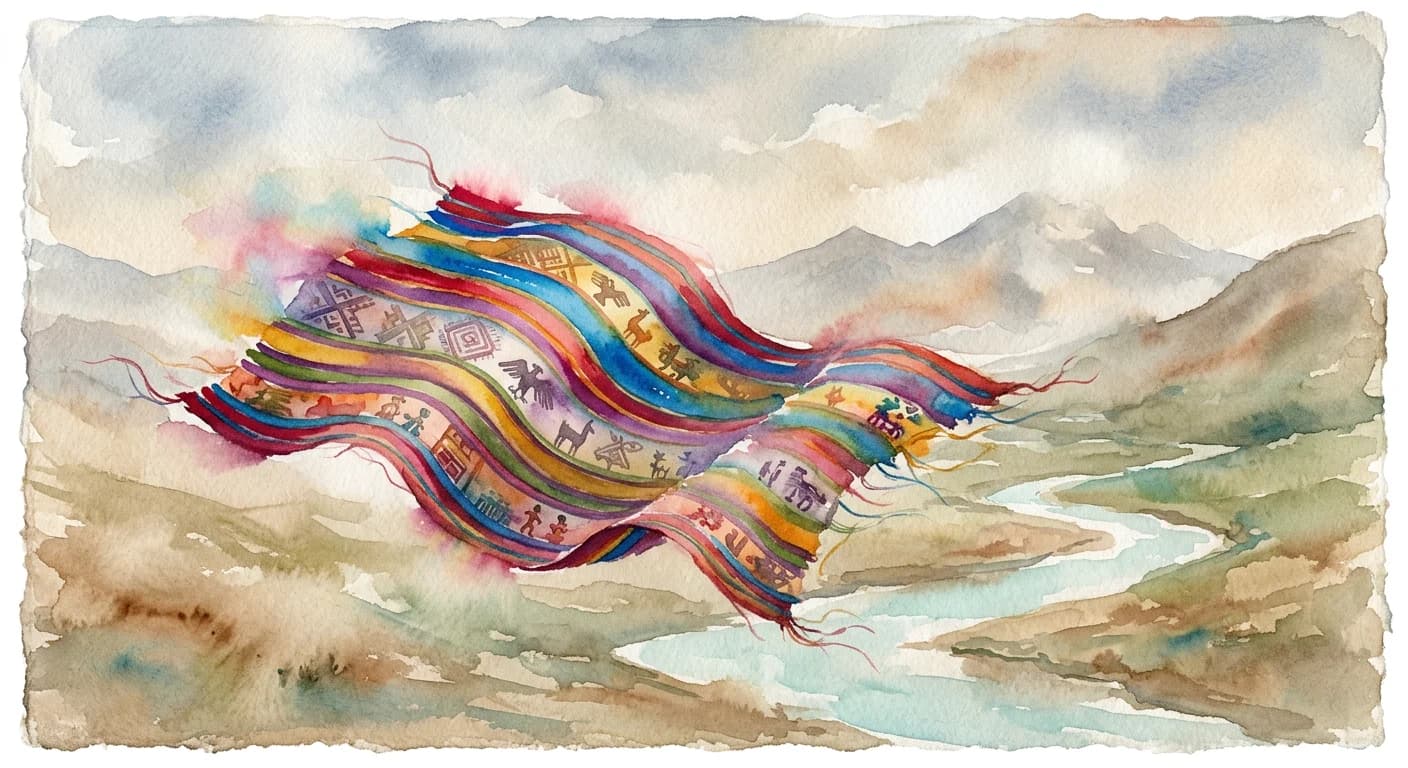
    Artistic representation of Aguayo
    Aymara•
    🇦🇷Argentina🇧🇴Bolivia🇨🇱Chile🇪🇨Ecuador🇵🇪Peru

    Aguayo

    /ah-GWAH-yo/

    Meaning

    An Aguayo is a vibrant, handwoven textile from the Andean highlands, more than just a cloth; it's a living canvas of Aymara and Quechua heritage. Each intricate pattern and vivid color tells a story, reflecting the weaver's identity, community, and deep connection to the Pachamama (Mother Earth). Used for everything from carrying infants and harvests to adorning ceremonial spaces, the Aguayo embodies both profound utility and exquisite artistry, making it an indispensable part of Andean life and celebration.

    Literal Translation

    While 'aguayo' itself is the word, its roots are deeply embedded in the indigenous languages of the Andes, where its literal meaning relates to the act of carrying or the cloth used for carrying.

    The Story Behind the Word

    The Aguayo's existence is deeply rooted in the practical necessities and spiritual cosmology of Andean peoples. Historically, it served as the primary means of transport for goods, food, and especially children, facilitating a nomadic or agricultural lifestyle. Beyond its practical function, the Aguayo is a language in itself; its designs often incorporate ancient symbols representing mountains, rivers, animals, and cosmic events, linking the wearer to their ancestors and the natural world. The act of weaving is a sacred tradition, passed down through generations of women, embodying patience, skill, and the transmission of cultural knowledge. Owning or wearing an Aguayo signifies a connection to one's community, history, and the Andean worldview where life is an interconnected web.

    Experience It

    Market Day Carry

    Doña Elena carefully folds her vibrant aguayo, placing her freshly picked potatoes and herbs inside. With a practiced movement, she slings the bundled textile onto her back, securing her bounty for the long walk to the bustling market in La Paz.

    Cradling a New Life

    Young Maria gently wraps her newborn brother in a soft aguayo, adorned with patterns passed down from their grandmother. The warm cloth holds him close, a symbol of protection and belonging as he rests peacefully during the family's journey.

    The Deeper Meaning

    The Aguayo embodies a philosophy of interconnectedness and practical beauty. It reflects a worldview where art and utility are not separate but interwoven, and where everyday objects carry profound cultural and spiritual meaning. It highlights the Andean value of 'ayni' (reciprocity) – the give and take between humans, nature, and the cosmos, as the cloth itself gives and receives life.

    Did You Know?

    Some ancient Aguayo designs are believed to be maps or calendars, encoding knowledge about agricultural cycles, celestial observations, and the spiritual landscape of the Andes.

    How It's Used

    The term 'Aguayo' refers to a traditional woven textile, particularly common in the Andean regions of South America. It is used for a wide range of practical purposes such as carrying items, babies, or as a blanket, as well as for cultural and ceremonial functions. The word is used by Aymara, Quechua, and Spanish speakers in the regions where these textiles are produced and utilized.

    Emotions
    belonging,comfort,gratitude,warmth
    Contexts
    celebration,family,travel,work
    🇦🇷Argentina🇧🇴Bolivia🇨🇱Chile🇪🇨Ecuador🇵🇪Peru

    by Annelise Dubois·Written Mar 14, 2026·Updated Apr 3, 2026

    Related Words

    Explore more
    GezelligDutch

    Gezellig encapsulates a profound sense of warmth, belonging, and convivial comfort, extending beyond mere coziness to embrace the social and emotional atmosphere. It's the feeling of being truly at ease, surrounded by good company, laughter, and a shared sense of contentment. This untranslatable term describes not just a physical space, but a holistic experience where time seems to slow down, fostering genuine connection and a deep sense of well-being.

    SobremesaSpanish

    Sobremesa is the cherished, often extended period immediately following a meal, particularly lunch or dinner, where diners remain seated at the table to enjoy conversation, coffee, and digest not just the food, but the company itself. It’s a dedicated time for unhurried social bonding, storytelling, and shared laughter, transforming a simple meal into a profound communal experience. Far from just clearing the dishes, sobremesa is an integral part of Spanish social life, often lasting for hours.

    Pura vidaSpanish

    More than just 'pure life,' "Pura vida" encapsulates a profound philosophy of embracing the present moment with unwavering optimism and gratitude. It's a daily commitment to finding joy in simple pleasures, accepting life's challenges with a positive spirit, and prioritizing well-being over material possessions. This ubiquitous phrase reflects a national identity built on resilience, community, and an deep appreciation for nature's bounty.

    MamihlapinatapaiYaghan

    Mamihlapinatapai encapsulates that profound, unspoken moment when two individuals lock eyes, each silently acknowledging a mutual desire or intention, yet both hesitate to be the first to act upon it. It's a delicate dance of anticipation, a shared gaze brimming with common understanding and a quiet longing for the other to break the ice. This intricate look carries the weight of a shared, uninitiated potential, a silent conversation where both parties are perfectly aware of what could happen, but neither makes the first move.