U.
HomeRegionsLanguagesEmotionsCollections
Find Your Word

“The limits of my language mean the limits of my world.”

— Ludwig Wittgenstein, Philosopher

Untranslatable

A curated collection of the world's most beautiful expressions—words that remind us language is humanity's greatest invention.

  • Home
  • Collections
  • Regions
  • Countries
  • Emotions
  • Tags
  • Contexts
  • Finder
  • Europe
  • Asia
  • Americas
  • Africa
  • Middle East
  • About
  • Contact
  • Privacy Policy
  • Terms of Service

2026 © Untranslatable. All rights reserved.

    /
    /
    1. Home
    2. /
    3. Europe
    4. /
    5. Dolce far niente
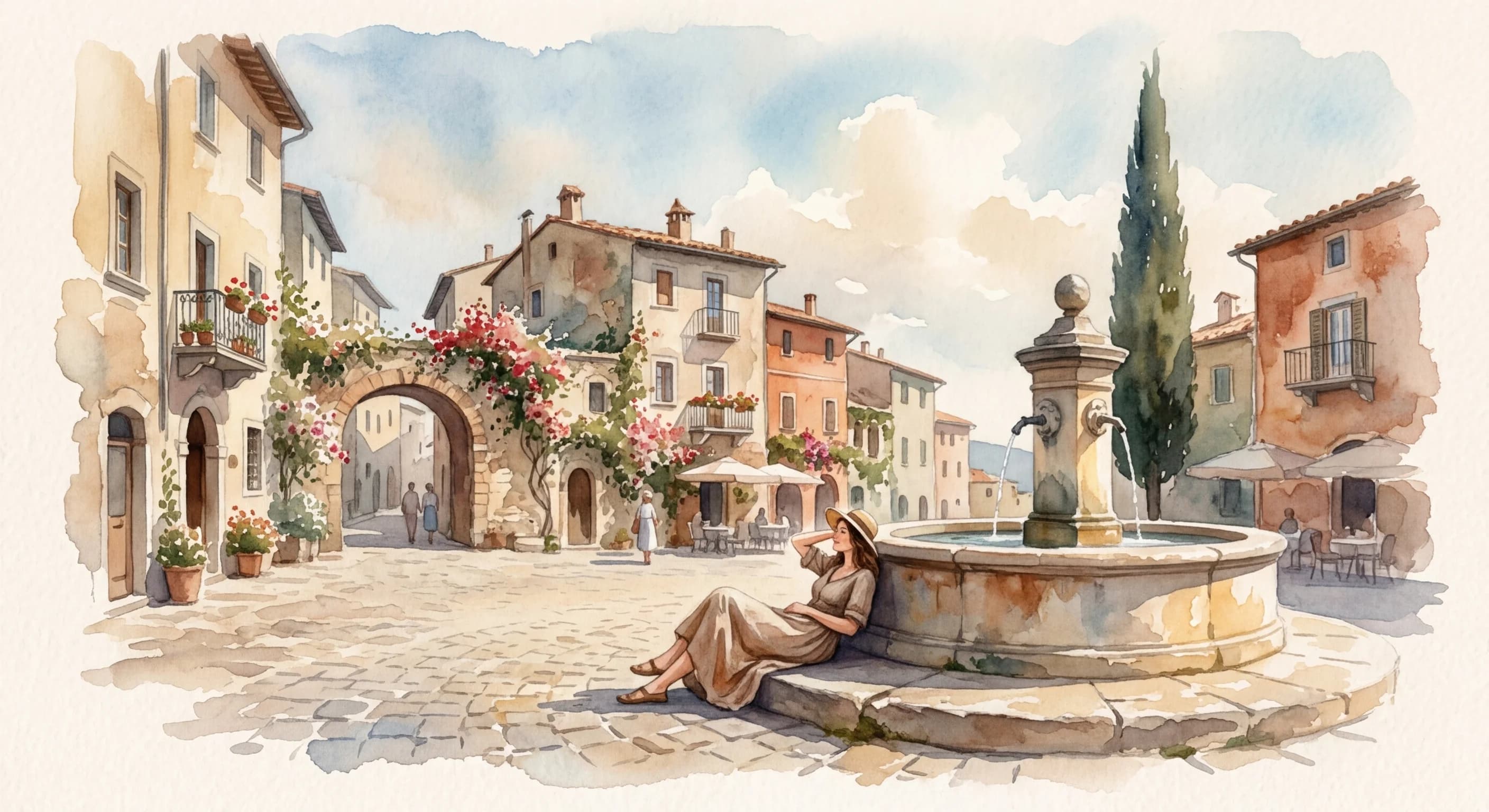
    Artistic representation of Dolce far niente
    Italian•
    🇮🇹Italy

    Dolce far niente

    /DOL-che far nee-EN-teh/

    Meaning

    Dolce far niente captures the profound joy and effortless pleasure derived from simply existing without obligation or purpose. It's the art of savoring moments of pure, unadulterated idleness – lying in the sun, watching the clouds drift, or enjoying a leisurely coffee – not as a break from work, but as a valuable state in itself. This 'sweetness of doing nothing' is a conscious embrace of stillness and contentment, allowing the soul to breathe and the senses to fully engage with the present.

    Literal Translation

    Sweet doing nothing

    The Story Behind the Word

    The concept of 'dolce far niente' is deeply woven into the fabric of Italian culture, reflecting a historical appreciation for leisure, beauty, and the sensual pleasures of life. Unlike cultures that often equate idleness with laziness or guilt, Italian society has long celebrated the intrinsic value of relaxation and enjoyment. This stems from a rich tradition of valuing human connection, good food, and beautiful surroundings, where life's pace is often dictated by the rhythms of nature and community rather than relentless productivity. It's a philosophy that prioritizes quality of life and the art of living well, viewing moments of 'doing nothing' as essential for well-being and creative thought, rather than a luxury to be earned.

    Experience It

    Afternoon Siesta Delight

    Giovanni leans back in his chair on the piazza, a half-empty espresso cup beside him. He watches the pigeons peck at crumbs and listens to the distant chatter, a gentle smile playing on his lips. No agenda, no rush, just the simple, sweet joy of being.

    Seaside Sunset

    Chiara sits on the beach as the sun dips below the horizon, painting the sky in fiery hues. She isn't checking her phone, or planning tomorrow. She's simply absorbing the beauty, feeling the cool sand, and experiencing the profound 'dolce far niente'.

    The Deeper Meaning

    This phrase encapsulates a profound philosophical stance: that human worth is not solely tied to productivity or achievement. It champions the idea that moments of quiet contemplation and sensory immersion are vital for a rich life, fostering inner peace and a deeper connection to the world. It’s a rejection of constant striving, advocating for a balance where rest is not merely recovery, but a fundamental aspect of human flourishing.

    Did You Know?

    Many art historians suggest that the relaxed, often languid postures seen in Renaissance and Baroque Italian paintings subtly reflect this cultural appreciation for 'dolce far niente'.

    How It's Used

    Embracing leisure time without guilt, simply enjoying the moment without productivity.

    Emotion
    peace
    Context
    relaxation
    🇮🇹Italy

    Topics

    • #joy
    • #philosophy
    • #solitude

    by Annelise Dubois·Written Mar 10, 2026·Updated Apr 3, 2026

    Related Words

    Explore more
    HyggeDanish

    Hygge is more than mere coziness; it's a holistic embrace of comfort, warmth, and belonging that nourishes the soul. It describes the intentional creation of an intimate atmosphere where simple pleasures, genuine connection, and mindful presence converge, fostering a profound sense of contentment and well-being. It's about finding joy and peace in the small, everyday moments, often shared with loved ones.

    SaudadePortuguese

    Saudade encapsulates a profound, melancholic longing for something or someone cherished that is absent, often with the bittersweet knowledge that it may never return. It's a deep emotional state tinged with nostalgia, evoking a sense of loss for past experiences, places, or people, yet also holding a tender appreciation for the beauty of what once was. This yearning is not merely sadness, but a complex tapestry of desire, memory, and a poignant acceptance of absence, holding the beloved in a warm, persistent embrace within the heart.

    GezelligDutch

    Gezellig encapsulates a profound sense of warmth, belonging, and convivial comfort, extending beyond mere coziness to embrace the social and emotional atmosphere. It's the feeling of being truly at ease, surrounded by good company, laughter, and a shared sense of contentment. This untranslatable term describes not just a physical space, but a holistic experience where time seems to slow down, fostering genuine connection and a deep sense of well-being.

    SobremesaSpanish

    Sobremesa is the cherished, often extended period immediately following a meal, particularly lunch or dinner, where diners remain seated at the table to enjoy conversation, coffee, and digest not just the food, but the company itself. It’s a dedicated time for unhurried social bonding, storytelling, and shared laughter, transforming a simple meal into a profound communal experience. Far from just clearing the dishes, sobremesa is an integral part of Spanish social life, often lasting for hours.

    Featured in 1 collection

    ☕Sweet Idleness