U.
HomeRegionsLanguagesEmotionsCollections
Find Your Word

“The limits of my language mean the limits of my world.”

— Ludwig Wittgenstein, Philosopher

Untranslatable

A curated collection of the world's most beautiful expressions—words that remind us language is humanity's greatest invention.

  • Home
  • Collections
  • Regions
  • Countries
  • Emotions
  • Tags
  • Contexts
  • Finder
  • Europe
  • Asia
  • Americas
  • Africa
  • Middle East
  • About
  • Contact
  • Privacy Policy
  • Terms of Service

2026 © Untranslatable. All rights reserved.

    /
    /
    1. Home
    2. /
    3. Asia
    4. /
    5. Nyam
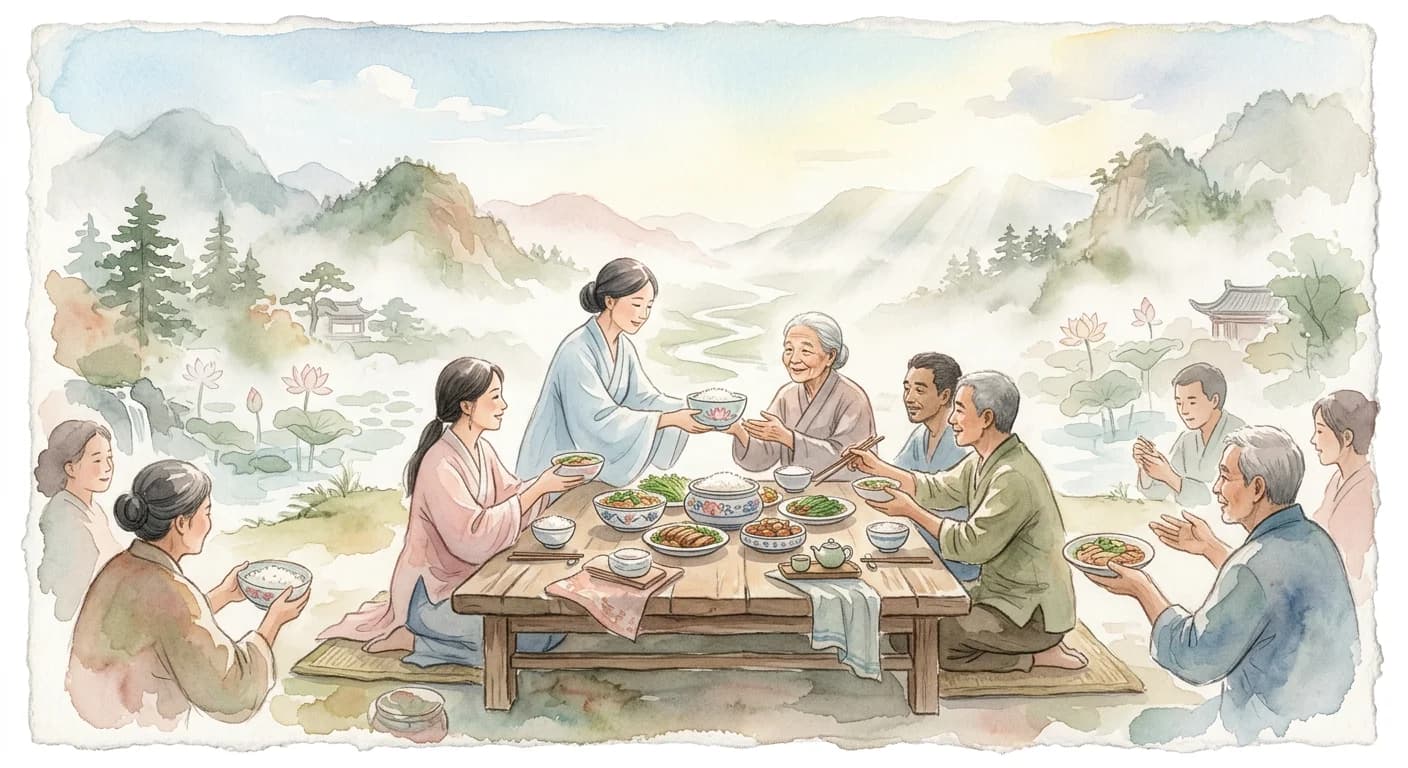
    Artistic representation of nyam
    Tibetan•
    🇧🇹Bhutan🇨🇳China🇮🇳India🇳🇵Nepal

    Nyam

    /nyam/

    Meaning

    Beyond merely 'eating' or 'food,' 'nyam' in Tibetan encapsulates a profound, holistic act of sustenance that nourishes both body and spirit. It signifies the mindful reception of sustenance, recognizing the interconnectedness of food, effort, and well-being. This concept extends to appreciating the journey of food from earth to table, acknowledging the blessings it brings, and fostering communal joy around shared meals, transforming a simple act into a spiritual practice.

    Literal Translation

    eat, food

    The Story Behind the Word

    The deep resonance of 'nyam' is rooted in Tibetan Buddhism and its emphasis on interconnectedness, mindfulness, and compassion. Food is not just fuel; it is a gift from the earth, shaped by human effort, and imbued with blessings. The act of eating 'nyam' involves a conscious recognition of this cycle, often accompanied by prayers or offerings before meals, reflecting gratitude not only for the food itself but also for the sentient beings who contributed to its existence. This perspective underscores a worldview where even the most mundane acts are opportunities for spiritual engagement and a reminder of humanity's place within a larger, interdependent ecosystem. The communal aspect of 'nyam' also reinforces social bonds and the importance of sharing resources, reflecting a society built on mutual support and generosity.

    Experience It

    Family Meal Blessing

    Before the family begins their evening meal, the grandmother gently reminds everyone to 'nyam' with a grateful heart. She explains that the food on their plates is a blessing, a result of the earth's generosity and the cook's loving effort, urging them to savor each bite mindfully.

    Offering Sustenance

    A monk carefully places a small portion of his meal as an offering on a shrine, murmuring a prayer. This act of 'nyam' is not for himself, but an expression of generosity, sharing the sustenance with all sentient beings, demonstrating the selfless aspect embedded in the word.

    The Deeper Meaning

    The concept of 'nyam' reveals a fundamental Tibetan philosophy that views all aspects of life, including basic sustenance, as interconnected and imbued with spiritual significance. It emphasizes mindfulness, gratitude, and compassion, transforming the simple act of eating into a conscious practice of acknowledging interdependence and fostering well-being, not just for oneself but for all beings.

    Did You Know?

    Traditionally, Tibetans often offer the first few drops of tea or a tiny portion of food to the deities or spirits before consuming it themselves, an act intrinsically linked to the spiritual meaning of 'nyam'.

    How It's Used

    Used in everyday conversation to refer to eating, food, or the act of consuming a meal, often with an implied sense of appreciation and mindfulness.

    Emotions
    belonging,comfort,contentment,gratitude
    Contexts
    celebration,dining,family
    🇧🇹Bhutan🇨🇳China🇮🇳India🇳🇵Nepal

    by Anya Petrova·Written Mar 10, 2026·Updated Apr 3, 2026

    Related Words

    Explore more
    HyggeDanish

    Hygge is more than mere coziness; it's a holistic embrace of comfort, warmth, and belonging that nourishes the soul. It describes the intentional creation of an intimate atmosphere where simple pleasures, genuine connection, and mindful presence converge, fostering a profound sense of contentment and well-being. It's about finding joy and peace in the small, everyday moments, often shared with loved ones.

    SobremesaSpanish

    Sobremesa is the cherished, often extended period immediately following a meal, particularly lunch or dinner, where diners remain seated at the table to enjoy conversation, coffee, and digest not just the food, but the company itself. It’s a dedicated time for unhurried social bonding, storytelling, and shared laughter, transforming a simple meal into a profound communal experience. Far from just clearing the dishes, sobremesa is an integral part of Spanish social life, often lasting for hours.

    Wabi-sabiJapanese

    Wabi-sabi is the profound appreciation for the ephemeral, the imperfect, and the incomplete aspects of existence. It is about discovering beauty in the subtle textures of age, the unique character of flaws, and the gentle decay that marks the passage of time. This philosophy encourages a quiet acceptance of impermanence and a mindful connection to the natural world, finding elegance in simplicity and authenticity.

    IkigaiJapanese

    Ikigai is more than just a reason to get out of bed; it's a deeply personal and evolving sense of purpose that brings genuine fulfillment and joy to one's life. It represents the sweet spot where your passions, talents, needs of the world, and what you can be paid for beautifully converge. Discovering your ikigai often leads to a life lived with intentionality, resilience, and a profound connection to one's contributions. It's the intrinsic motivation that fuels a meaningful existence, regardless of external circumstances.