U.
HomeRegionsLanguagesEmotionsCollections
Find Your Word

“The limits of my language mean the limits of my world.”

— Ludwig Wittgenstein, Philosopher

Untranslatable

A curated collection of the world's most beautiful expressions—words that remind us language is humanity's greatest invention.

  • Home
  • Collections
  • Regions
  • Countries
  • Emotions
  • Tags
  • Contexts
  • Finder
  • Europe
  • Asia
  • Americas
  • Africa
  • Middle East
  • About
  • Contact
  • Privacy Policy
  • Terms of Service

2026 © Untranslatable. All rights reserved.

    /
    /
    1. Home
    2. /
    3. Asia
    4. /
    5. Rindu
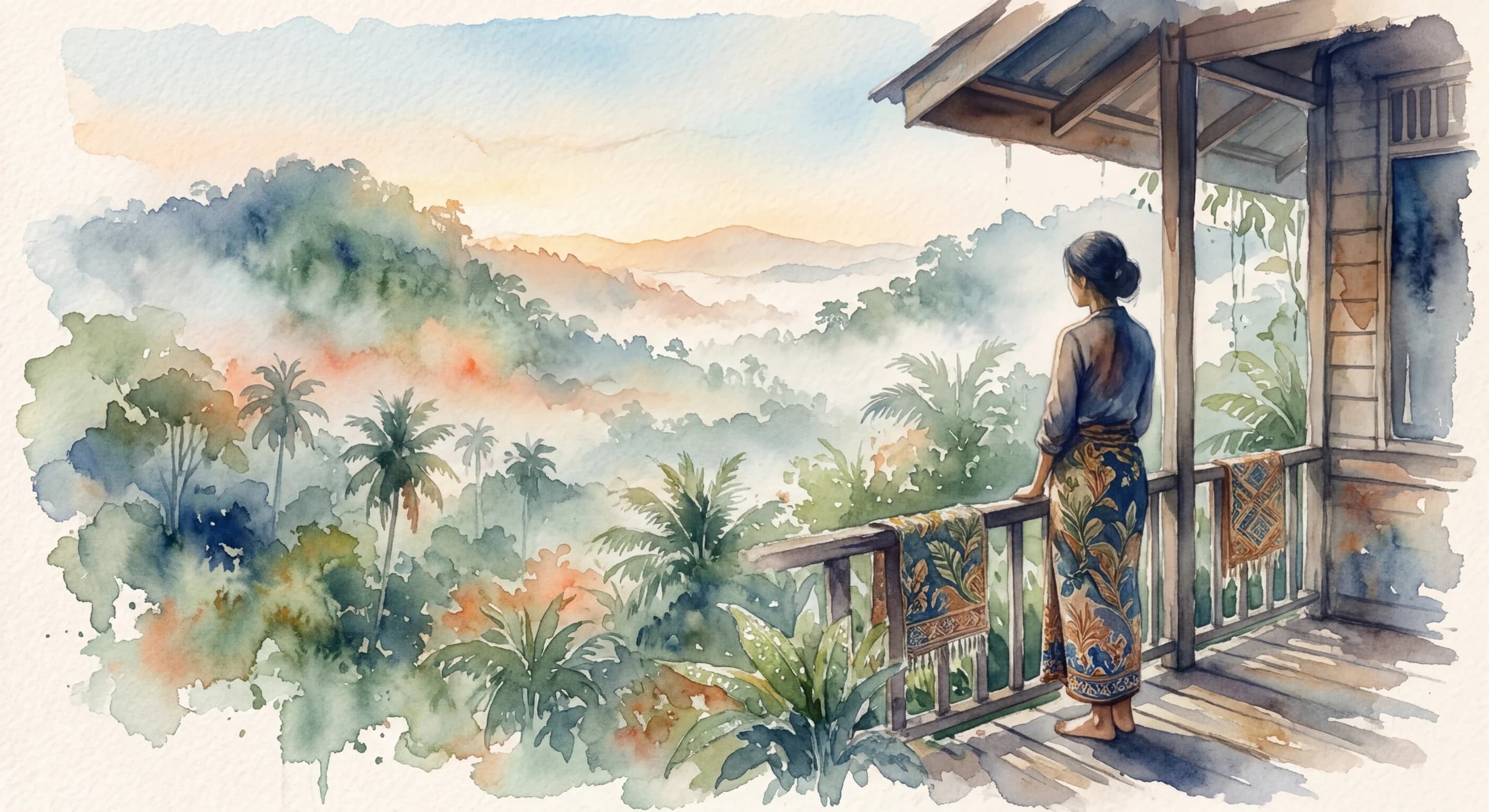
    Artistic representation of Rindu
    Malay•
    🇧🇳Brunei🇮🇩Indonesia🇲🇾Malaysia🇸🇬Singapore

    Rindu

    /RIN-doo/

    Meaning

    Rindu is a profound, often bittersweet ache of the soul, a deep yearning for a person, place, or past experience that is currently absent. It transcends mere missing, embodying a spiritual resonance with what once was, tinged with a melancholic awareness of its current unavailability. This intense emotion is frequently accompanied by a flood of cherished memories, which both comfort and amplify the feeling of longing, creating a complex tapestry of joy and sorrow.

    Literal Translation

    longing, yearning

    The Story Behind the Word

    The existence and prominence of 'rindu' in Malay culture speak to a deeply sentimental and relationship-centric worldview. Historically, in close-knit communities and due to periods of separation (e.g., seafaring, migration for work), the feeling of longing for loved ones or one's homeland was a common and significant emotional experience. It reflects a cultural emphasis on connection, memory, and the emotional resonance of shared experiences. 'Rindu' is not just an individual feeling; it's often shared and understood communally, forming a bond between those who feel it. It reveals a society that values emotional depth and acknowledges the pain of absence as a natural, even beautiful, part of human connection.

    Experience It

    Longing for Childhood Home

    An overseas Malaysian student gazes at old photographs of their village, a soft smile on their lips, yet tears welling in their eyes. They feel an intense 'rindu' for the familiar smells of their mother's cooking and the sound of rain on their old zinc roof.

    Missing a Loved One

    A woman often finds herself humming her late grandmother's favorite lullaby, her heart heavy with 'rindu.' The melody brings back vivid memories of comfort and warmth, making the absence of her beloved 'Nenek' acutely felt.

    The Deeper Meaning

    The concept of 'rindu' highlights a philosophical acceptance of impermanence and the bittersweet nature of life. It suggests that true joy and connection inevitably come with the potential for profound absence, and that embracing this longing is part of a rich human experience. It also underscores the power of memory in sustaining emotional bonds beyond physical presence, affirming that what was, in a sense, always remains.

    Did You Know?

    The word 'rindu' is so deeply ingrained that it's a popular theme in Malay poetry and love songs, often used to express the most profound levels of affection and yearning.

    How It's Used

    Used to express a deep emotional longing for someone or something that is not present, often accompanied by fond memories.

    Emotions
    bittersweet,longing,melancholy,nostalgia
    Contexts
    family,farewell,romance,travel
    🇧🇳Brunei🇮🇩Indonesia🇲🇾Malaysia🇸🇬Singapore

    by Anya Petrova·Written Mar 10, 2026·Updated Apr 3, 2026

    Related Words

    Explore more
    SaudadePortuguese

    Saudade encapsulates a profound, melancholic longing for something or someone cherished that is absent, often with the bittersweet knowledge that it may never return. It's a deep emotional state tinged with nostalgia, evoking a sense of loss for past experiences, places, or people, yet also holding a tender appreciation for the beauty of what once was. This yearning is not merely sadness, but a complex tapestry of desire, memory, and a poignant acceptance of absence, holding the beloved in a warm, persistent embrace within the heart.

    Wabi-sabiJapanese

    Wabi-sabi is the profound appreciation for the ephemeral, the imperfect, and the incomplete aspects of existence. It is about discovering beauty in the subtle textures of age, the unique character of flaws, and the gentle decay that marks the passage of time. This philosophy encourages a quiet acceptance of impermanence and a mindful connection to the natural world, finding elegance in simplicity and authenticity.

    IkigaiJapanese

    Ikigai is more than just a reason to get out of bed; it's a deeply personal and evolving sense of purpose that brings genuine fulfillment and joy to one's life. It represents the sweet spot where your passions, talents, needs of the world, and what you can be paid for beautifully converge. Discovering your ikigai often leads to a life lived with intentionality, resilience, and a profound connection to one's contributions. It's the intrinsic motivation that fuels a meaningful existence, regardless of external circumstances.

    NunchiKorean

    Nunchi is the sophisticated, almost telepathic, ability to instantly grasp the unspoken dynamics of any social situation, anticipating others' thoughts and feelings, and then responding with impeccable grace and timing. It's an acute form of social intuition, allowing one to navigate complex interpersonal landscapes by reading subtle cues like body language, tone, and context. Possessing good nunchi means effortlessly understanding the underlying emotional currents and adjusting one's behavior to maintain harmony and effectiveness, often without a single word exchanged.