U.
HomeRegionsLanguagesEmotionsCollections
Find Your Word

“The limits of my language mean the limits of my world.”

— Ludwig Wittgenstein, Philosopher

Untranslatable

A curated collection of the world's most beautiful expressions—words that remind us language is humanity's greatest invention.

  • Home
  • Collections
  • Regions
  • Countries
  • Emotions
  • Tags
  • Contexts
  • Finder
  • Europe
  • Asia
  • Americas
  • Africa
  • Middle East
  • About
  • Contact
  • Privacy Policy
  • Terms of Service

2026 © Untranslatable. All rights reserved.

    /
    /
    1. Home
    2. /
    3. Americas
    4. /
    5. Chulo
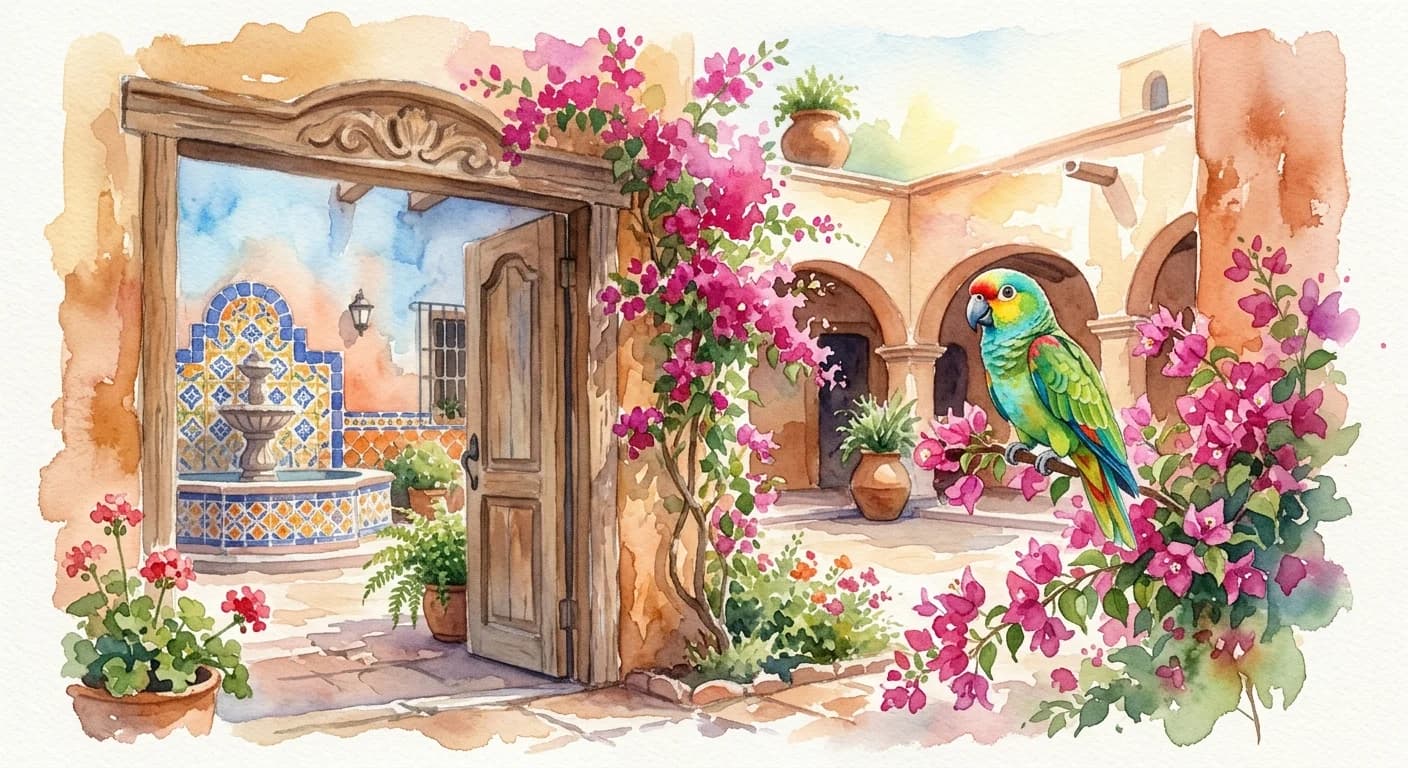
    Artistic representation of Chulo
    Spanish•
    🇨🇴Colombia🇨🇺Cuba🇩🇴Dominican Republic🇪🇨Ecuador🇲🇽Mexico🇳🇵Nepal🇪🇸Spain

    Chulo

    /CHOO-loh/

    Meaning

    In Mexican Spanish, 'chulo' is a vibrant, multifaceted descriptor. It can affectionately praise someone or something as 'cute,' 'cool,' or 'stylish,' often implying a certain flair or attractiveness. However, its meaning is highly context-dependent, as it can also carry a derogatory undertone, labeling someone as arrogant, boastful, or even a 'pimp' – someone who exploits others. This duality captures a nuanced appreciation for outward charm that can mask or reveal deeper character, making it a word rich in social commentary.

    Literal Translation

    In Spanish: elegant, proud, cute, cool; pimp. In Nepali: hearth, fireplace.

    The Story Behind the Word

    The evolution of 'chulo' in Spanish, particularly in Mexico, reflects a cultural fascination with appearance, assertiveness, and social standing. Its positive connotations stem from an appreciation for elegance, cleverness, and an attractive demeanor, often associated with a certain streetwise charm or self-assuredness. The negative connotations, however, reveal a societal caution against superficiality, arrogance, and exploitation. Historically, the 'chulo' figure in Spanish culture (like the 'majo' or 'guapo') was a dandy or a flashy character, often from the lower classes, who prided himself on his appearance and wit. This dual perception – admiration for style yet disdain for conceit – is deeply embedded in the word, highlighting a societal tension between outward presentation and inner virtue. It speaks to a cultural landscape where first impressions and social performance hold significant weight, but where genuine character is ultimately valued above mere flash.

    Experience It

    Admiration for Style

    At the market, a young woman admired a handcrafted leather belt. '¡Qué chulo está este cinturón!' she exclaimed, appreciating its intricate design and the artisan's skill. For her, 'chulo' perfectly conveyed its stylish appeal.

    Critique of Arrogance

    After a man loudly boasted about his new car and dismissed others, a bystander muttered to his friend, 'Ese tipo es bien chulo.' The tone was clear: it wasn't a compliment, but a critique of his excessive pride and arrogance, his 'chulo' demeanor.

    The Deeper Meaning

    The word 'chulo' reflects a profound cultural understanding that beauty and charm are not monolithic. It embodies the philosophical tension between outward appearance and inner substance, suggesting that what is attractive on the surface can either be genuinely appealing or a deceptive facade. This duality forces a deeper consideration of character, encouraging discernment beyond mere aesthetics and highlighting the fine line between confidence and conceit.

    Did You Know?

    The Spanish 'chulo' shares its root with 'chulapo,' a traditional term for a person from Madrid, often associated with a distinctive, somewhat flashy style of dress and attitude, particularly in the 19th century.

    How It's Used

    In Spanish-speaking cultures, it's used colloquially to describe something or someone attractive, stylish, or impressive, but can also be used negatively. In Nepal, it's a literal term for the hearth, often used in domestic contexts.

    Emotions
    joy,pride,warmth
    Contexts
    dining,family,greeting,home
    🇨🇴Colombia🇨🇺Cuba🇩🇴Dominican Republic🇪🇨Ecuador🇲🇽Mexico🇳🇵Nepal🇪🇸Spain

    by Kwame Nkrumah·Written Mar 10, 2026·Updated Apr 3, 2026

    Related Words

    Explore more
    GezelligDutch

    Gezellig encapsulates a profound sense of warmth, belonging, and convivial comfort, extending beyond mere coziness to embrace the social and emotional atmosphere. It's the feeling of being truly at ease, surrounded by good company, laughter, and a shared sense of contentment. This untranslatable term describes not just a physical space, but a holistic experience where time seems to slow down, fostering genuine connection and a deep sense of well-being.

    Pura vidaSpanish

    More than just 'pure life,' "Pura vida" encapsulates a profound philosophy of embracing the present moment with unwavering optimism and gratitude. It's a daily commitment to finding joy in simple pleasures, accepting life's challenges with a positive spirit, and prioritizing well-being over material possessions. This ubiquitous phrase reflects a national identity built on resilience, community, and an deep appreciation for nature's bounty.

    JayusIndonesian

    Jayus describes that peculiar moment when a joke is so utterly devoid of humor, so poorly delivered, or so nonsensical that its very ineptitude triggers an involuntary, almost sympathetic burst of laughter. It's not laughter at the joke itself, but rather a reaction to the sheer awkwardness and the unexpected, delightful absurdity of someone failing so spectacularly to be funny. The humor stems from the meta-experience of witnessing a comedic train wreck, transforming discomfort into a shared moment of mirth.

    MamihlapinatapaiYaghan

    Mamihlapinatapai encapsulates that profound, unspoken moment when two individuals lock eyes, each silently acknowledging a mutual desire or intention, yet both hesitate to be the first to act upon it. It's a delicate dance of anticipation, a shared gaze brimming with common understanding and a quiet longing for the other to break the ice. This intricate look carries the weight of a shared, uninitiated potential, a silent conversation where both parties are perfectly aware of what could happen, but neither makes the first move.