U.
HomeRegionsLanguagesEmotionsCollections
Find Your Word

“The limits of my language mean the limits of my world.”

— Ludwig Wittgenstein, Philosopher

Untranslatable

A curated collection of the world's most beautiful expressions—words that remind us language is humanity's greatest invention.

  • Home
  • Collections
  • Regions
  • Countries
  • Emotions
  • Tags
  • Contexts
  • Finder
  • Europe
  • Asia
  • Americas
  • Africa
  • Middle East
  • About
  • Contact
  • Privacy Policy
  • Terms of Service

2026 © Untranslatable. All rights reserved.

    /
    /
    1. Home
    2. /
    3. Americas
    4. /
    5. Kaona
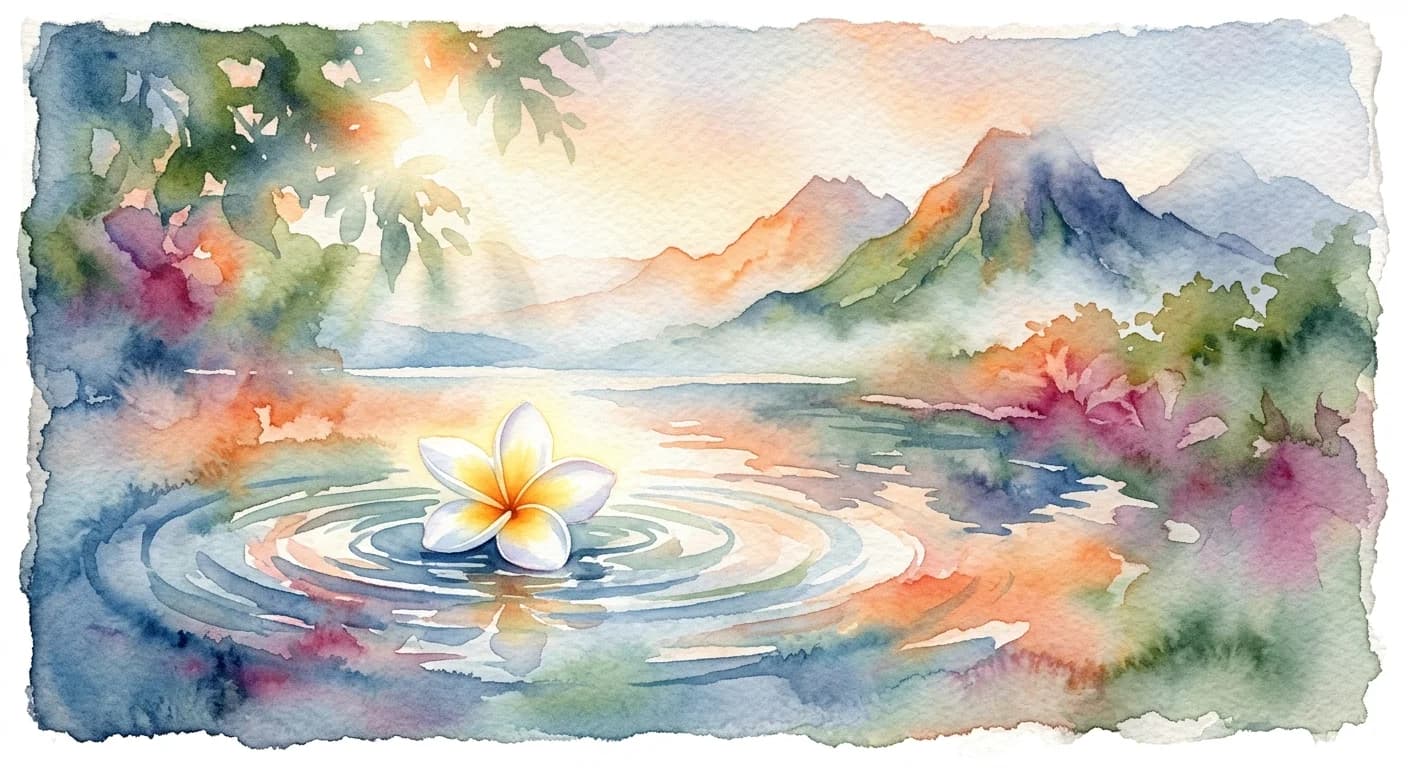
    Artistic representation of Kaona
    Hawaiian•
    🇺🇸United States

    Kaona

    /kah-OH-nah/

    Meaning

    Kaona embodies the profound, layered meanings embedded within Hawaiian language, particularly in mele (chants and songs), oli (recitations), and moʻolelo (stories). It's a sophisticated linguistic device where words carry spiritual, historical, or metaphorical significance far beyond their literal translation. Grasping kaona requires not just linguistic fluency but also deep cultural understanding, inviting listeners to actively engage with the text and uncover its deeper, often sacred, truths.

    Literal Translation

    Hidden meaning

    The Story Behind the Word

    The concept of kaona is deeply rooted in Hawaiian oral tradition and the reverence for language as a living, powerful entity. In a culture where knowledge was often transmitted verbally and protection of sacred information was paramount, kaona served as a sophisticated mechanism for encoding and preserving complex ideas, genealogies, and spiritual insights. It reflects a worldview that values subtlety, indirect communication, and the intelligence of the listener. This practice ensured that profound wisdom was accessible to those with the proper cultural grounding and intuition, while also safeguarding it from the uninitiated. Kaona reveals a society that saw language not merely as a tool for communication, but as a vessel for spirit, history, and connection to the ʻāina (land) and akua (gods).

    Experience It

    Chant Interpretation

    During a hula performance, the kumu hula (hula teacher) explains a new chant. She mentions that a line describing 'the gentle rain falling on the lehua blossoms' has a deep kaona, hinting at the quiet sorrow of a chief's passing, understood only by those familiar with the specific historical event and the symbolic connection of lehua to warriors.

    Poetic Advice

    An elder gives a young person advice, saying, 'Remember to always keep your canoe pointed towards the rising sun.' While literally about navigation, the young person understands the kaona to mean maintaining optimism and always striving for a brighter future, a common metaphor in their family's oral traditions.

    The Deeper Meaning

    Kaona reflects a profound Hawaiian philosophical belief in the interconnectedness of all things and the power of language to convey these intricate relationships. It underscores that truth is often multi-faceted and not always explicitly stated, requiring an active, intuitive engagement with the world. This concept highlights a worldview where knowledge is a journey of discovery, rather than a mere reception of facts, fostering a deeper, more spiritual connection to ancestral wisdom and the natural environment.

    Did You Know?

    Did you know that kaona was sometimes used to subtly criticize or praise chiefs in public chants without causing direct offense, showcasing its role in both diplomacy and social commentary?

    How It's Used

    Used to describe the subtle, layered meanings in Hawaiian language, poetry, chants, and storytelling, which require cultural knowledge to fully comprehend.

    Emotions
    belonging,gratitude,peace,wonder
    Contexts
    family,greeting,nature
    🇺🇸United States

    by Annelise Dubois·Written Mar 10, 2026·Updated Apr 3, 2026

    Related Words

    Explore more
    Dolce far nienteItalian

    Dolce far niente captures the profound joy and effortless pleasure derived from simply existing without obligation or purpose. It's the art of savoring moments of pure, unadulterated idleness – lying in the sun, watching the clouds drift, or enjoying a leisurely coffee – not as a break from work, but as a valuable state in itself. This 'sweetness of doing nothing' is a conscious embrace of stillness and contentment, allowing the soul to breathe and the senses to fully engage with the present.

    SobremesaSpanish

    Sobremesa is the cherished, often extended period immediately following a meal, particularly lunch or dinner, where diners remain seated at the table to enjoy conversation, coffee, and digest not just the food, but the company itself. It’s a dedicated time for unhurried social bonding, storytelling, and shared laughter, transforming a simple meal into a profound communal experience. Far from just clearing the dishes, sobremesa is an integral part of Spanish social life, often lasting for hours.

    Pura vidaSpanish

    More than just 'pure life,' "Pura vida" encapsulates a profound philosophy of embracing the present moment with unwavering optimism and gratitude. It's a daily commitment to finding joy in simple pleasures, accepting life's challenges with a positive spirit, and prioritizing well-being over material possessions. This ubiquitous phrase reflects a national identity built on resilience, community, and an deep appreciation for nature's bounty.

    MamihlapinatapaiYaghan

    Mamihlapinatapai encapsulates that profound, unspoken moment when two individuals lock eyes, each silently acknowledging a mutual desire or intention, yet both hesitate to be the first to act upon it. It's a delicate dance of anticipation, a shared gaze brimming with common understanding and a quiet longing for the other to break the ice. This intricate look carries the weight of a shared, uninitiated potential, a silent conversation where both parties are perfectly aware of what could happen, but neither makes the first move.