U.
HomeRegionsLanguagesEmotionsCollections
Find Your Word

“The limits of my language mean the limits of my world.”

— Ludwig Wittgenstein, Philosopher

Untranslatable

A curated collection of the world's most beautiful expressions—words that remind us language is humanity's greatest invention.

  • Home
  • Collections
  • Regions
  • Countries
  • Emotions
  • Tags
  • Contexts
  • Finder
  • Europe
  • Asia
  • Americas
  • Africa
  • Middle East
  • About
  • Contact
  • Privacy Policy
  • Terms of Service

2026 © Untranslatable. All rights reserved.

    /
    /
    1. Home
    2. /
    3. Europe
    4. /
    5. Backpfeifengesicht
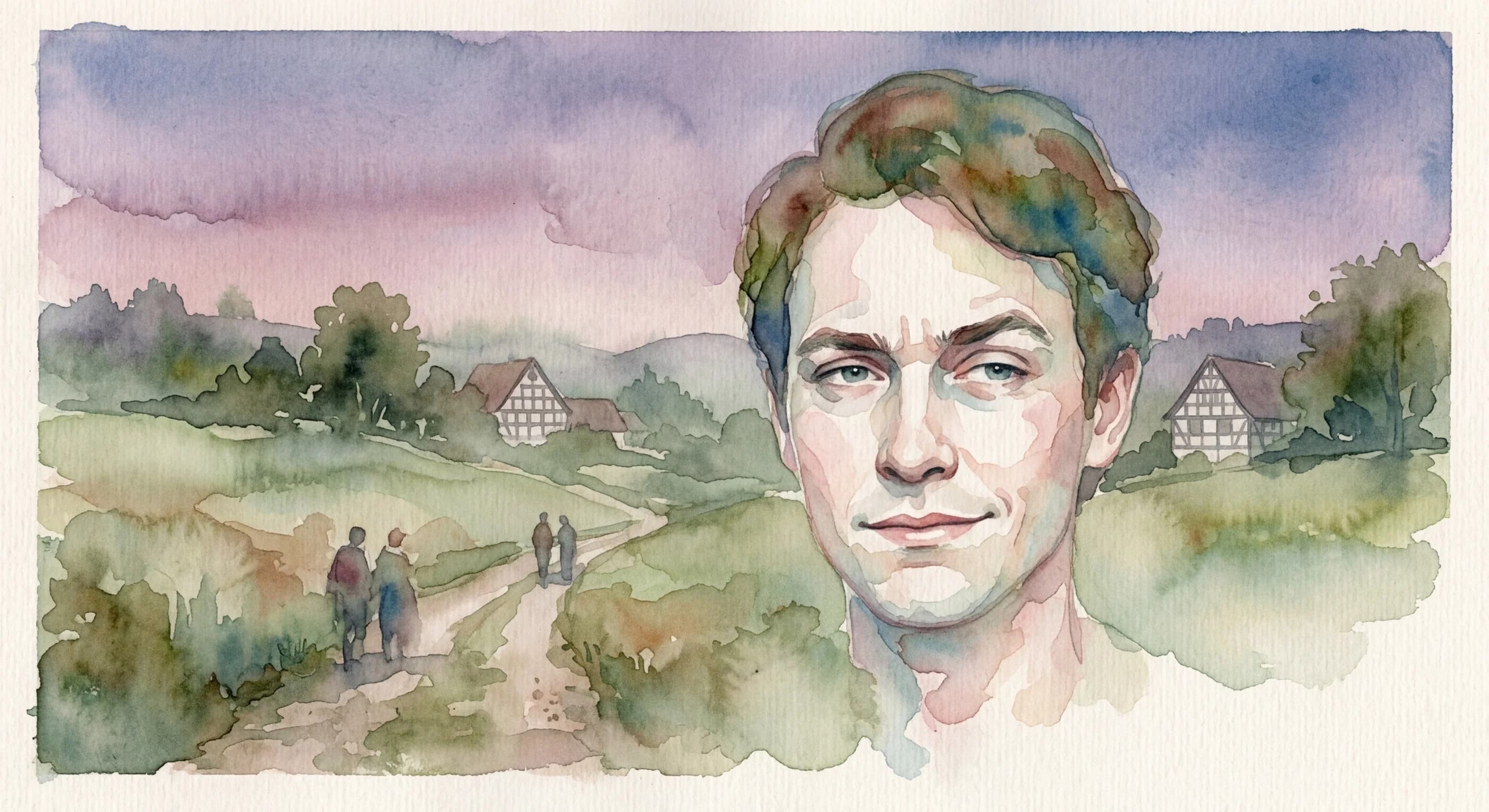
    Artistic representation of Backpfeifengesicht
    German•
    🇩🇪Germany

    Backpfeifengesicht

    /BAHK-pfai-fuhn-geh-ZICHT/

    Meaning

    A "Backpfeifengesicht" is a visage so utterly, irredeemably irritating, smug, or foolish that it conjures an almost primal, yet usually suppressed, urge to deliver a light, open-handed smack. It's not about genuine aggression, but rather a humorous, exasperated recognition of someone's obliviousness to their own grating demeanor. This vivid term encapsulates a collective cultural judgment, highlighting the chasm between a person's self-perception and the discomfort they inflict upon others, making it a uniquely German expression of communal disapproval.

    Literal Translation

    Back slap face

    The Story Behind the Word

    The existence of "Backpfeifengesicht" speaks volumes about German communication and social dynamics. While often direct, German culture also values order and, at times, a certain reservedness. This word serves as a pressure valve, allowing for the articulation of extreme irritation without resorting to actual violence or direct, confrontational insult. It reflects a cultural tendency towards precise, compound nouns to describe complex phenomena, often with a touch of dark humor. The term subtly reinforces social norms by humorously shaming those who transgress them through arrogance or foolishness, acting as a linguistic deterrent against overly self-important or obtuse public behavior. It reveals a society that observes and judges, often collectively and with a keen eye for human foibles.

    Experience It

    Smug Art Critic

    At the gallery opening, a pompous art critic stood before a canvas, stroking his chin and pontificating loudly about its 'lack of spiritual resonance.' His self-satisfied smirk and air of intellectual superiority made several onlookers exchange glances, silently agreeing, 'What a perfect Backpfeifengesicht!'

    oblivious Commuter

    On a crowded train, a young man was loudly FaceTiming with his phone's speaker on, oblivious to the glares and sighs around him. His vacant, self-absorbed expression as he chatted away made an elderly woman mutter under her breath, 'Ein echtes Backpfeifengesicht, dieser junge Mann.'

    The Deeper Meaning

    This word offers a glimpse into a cultural perspective that values self-awareness and considers overt arrogance or profound cluelessness as a social transgression. It suggests a philosophy where individuals are expected to be mindful of their impact on others, and where the collective experience of discomfort can coalesce into a sharply defined, albeit humorous, linguistic condemnation. It underscores the idea that one's face, and the expression it carries, is not merely personal but a public statement open to communal interpretation and judgment.

    Did You Know?

    Despite its seemingly aggressive nature, "Backpfeifengesicht" is almost always used humorously or in exasperation, rarely as a serious threat. It's more about the absurdity of a person's demeanor than a genuine desire for physical interaction.

    How It's Used

    Used to describe someone whose facial expression is so irritating or foolish that it seems to invite a slap.

    Emotions
    anger,joy
    Contexts
    daily life,social interaction
    🇩🇪Germany

    by Annelise Dubois·Written Mar 10, 2026·Updated Apr 3, 2026

    Related Words

    Explore more
    HyggeDanish

    Hygge is more than mere coziness; it's a holistic embrace of comfort, warmth, and belonging that nourishes the soul. It describes the intentional creation of an intimate atmosphere where simple pleasures, genuine connection, and mindful presence converge, fostering a profound sense of contentment and well-being. It's about finding joy and peace in the small, everyday moments, often shared with loved ones.

    SaudadePortuguese

    Saudade encapsulates a profound, melancholic longing for something or someone cherished that is absent, often with the bittersweet knowledge that it may never return. It's a deep emotional state tinged with nostalgia, evoking a sense of loss for past experiences, places, or people, yet also holding a tender appreciation for the beauty of what once was. This yearning is not merely sadness, but a complex tapestry of desire, memory, and a poignant acceptance of absence, holding the beloved in a warm, persistent embrace within the heart.

    GezelligDutch

    Gezellig encapsulates a profound sense of warmth, belonging, and convivial comfort, extending beyond mere coziness to embrace the social and emotional atmosphere. It's the feeling of being truly at ease, surrounded by good company, laughter, and a shared sense of contentment. This untranslatable term describes not just a physical space, but a holistic experience where time seems to slow down, fostering genuine connection and a deep sense of well-being.

    Dolce far nienteItalian

    Dolce far niente captures the profound joy and effortless pleasure derived from simply existing without obligation or purpose. It's the art of savoring moments of pure, unadulterated idleness – lying in the sun, watching the clouds drift, or enjoying a leisurely coffee – not as a break from work, but as a valuable state in itself. This 'sweetness of doing nothing' is a conscious embrace of stillness and contentment, allowing the soul to breathe and the senses to fully engage with the present.

    Featured in 3 collections

    🧠Social Intelligence🏡Echoes of Belonging👴Elder Wisdom