U.
HomeRegionsLanguagesEmotionsCollections
Find Your Word

“The limits of my language mean the limits of my world.”

— Ludwig Wittgenstein, Philosopher

Untranslatable

A curated collection of the world's most beautiful expressions—words that remind us language is humanity's greatest invention.

  • Home
  • Collections
  • Regions
  • Countries
  • Emotions
  • Tags
  • Contexts
  • Finder
  • Europe
  • Asia
  • Americas
  • Africa
  • Middle East
  • About
  • Contact
  • Privacy Policy
  • Terms of Service

2026 © Untranslatable. All rights reserved.

    /
    /
    1. Home
    2. /
    3. Americas
    4. /
    5. Q'ara
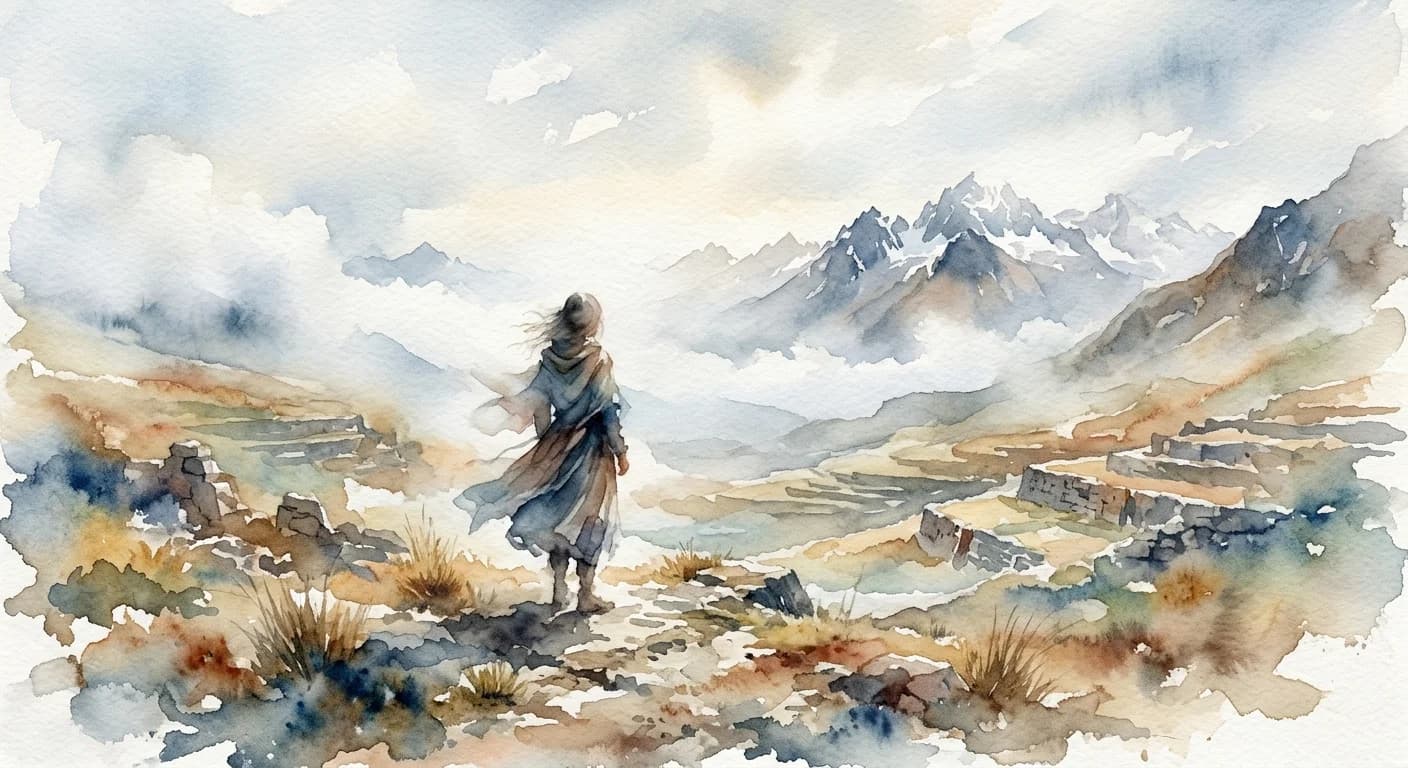
    Artistic representation of Q'ara
    Quechua•
    🇧🇴Bolivia🇪🇨Ecuador🇵🇪Peru

    Q'ara

    /KAH-rah/

    Meaning

    Q'ara transcends mere physical nakedness, embodying a profound state of raw vulnerability, exposure, and unadorned truth. It describes not just a body without clothes, but a landscape stripped bare by the elements, a soul divested of pretense, or a fundamental existence before any artifice. This word evokes the stark reality of being, a primal connection to the world, and the unmediated essence of life, carrying connotations of both fragility and an undeniable authenticity.

    Literal Translation

    naked, bare

    The Story Behind the Word

    In Quechua culture, where the relationship with Pachamama (Mother Earth) is paramount, 'Q'ara' speaks to a deep understanding of natural cycles and human place within them. It reflects a philosophy that values authenticity and resilience, recognizing that even in barrenness or vulnerability, there is a fundamental truth and connection to the earth. The Andes, with their harsh yet beautiful landscapes, often appear 'q'ara' – stripped to their geological essence, yet profoundly powerful. This word exists because it encapsulates a state of being that is both challenging and inherently real, a foundation upon which life perseveres and thrives. It reveals a worldview that embraces rawness as a source of strength and spiritual clarity, rather than something to be hidden or feared.

    Experience It

    Mountain's Bare Face

    After the long winter, the high mountain peaks stood q'ara, their rocky faces exposed to the relentless sun. There were no trees, no vegetation, just the raw, magnificent stone pushing towards the sky, revealing the true geology of the Andes.

    Soul Stripped Bare

    During the healing ceremony, the elder spoke of feeling q'ara, having shed years of grief and pretense. She described it as a painful but liberating experience, leaving her spirit exposed yet profoundly connected to her ancestors and her community.

    The Deeper Meaning

    Q'ara offers a glimpse into a worldview that embraces vulnerability and authenticity as integral to existence. It suggests that true strength and connection often emerge when one is stripped of superficial layers, revealing the fundamental essence. This perspective values the unadorned truth of things, seeing beauty and power in rawness, and understanding that resilience is forged in exposure, not through constant covering or protection.

    Did You Know?

    Did you know 'Q'ara' can also be used to describe someone who is 'poor' or 'destitute,' highlighting the raw, stripped-down reality of having nothing, emphasizing a lack of coverings in a social or economic sense?

    How It's Used

    Used to describe someone or something that is naked, bare, or stripped of coverings. It can also refer to a state of spiritual or emotional nakedness, or a landscape that is barren.

    Emotion
    fear
    Contexts
    nature,solitude
    🇧🇴Bolivia🇪🇨Ecuador🇵🇪Peru

    by Annelise Dubois·Written Mar 10, 2026·Updated Apr 3, 2026

    Related Words

    Explore more
    Pura vidaSpanish

    More than just 'pure life,' "Pura vida" encapsulates a profound philosophy of embracing the present moment with unwavering optimism and gratitude. It's a daily commitment to finding joy in simple pleasures, accepting life's challenges with a positive spirit, and prioritizing well-being over material possessions. This ubiquitous phrase reflects a national identity built on resilience, community, and an deep appreciation for nature's bounty.

    MamihlapinatapaiYaghan

    Mamihlapinatapai encapsulates that profound, unspoken moment when two individuals lock eyes, each silently acknowledging a mutual desire or intention, yet both hesitate to be the first to act upon it. It's a delicate dance of anticipation, a shared gaze brimming with common understanding and a quiet longing for the other to break the ice. This intricate look carries the weight of a shared, uninitiated potential, a silent conversation where both parties are perfectly aware of what could happen, but neither makes the first move.

    TingoPascuense

    Tingo describes the subtle, insidious process of progressively appropriating a neighbor's belongings by habitually requesting to borrow them, only to 'forget' their return. It's not outright theft, but a slow, deliberate erosion of another's possessions, often under the guise of neighborly exchange. This gradual accumulation, piece by piece, ultimately results in a significant transfer of goods without any direct confrontation or formal acknowledgment of the loss. It speaks to a passive-aggressive form of acquisition, where social niceties are weaponized.

    CafunéPortuguese

    Cafuné is the tender, almost meditative act of gently running one's fingers through another person's hair, a gesture deeply imbued with affection and care. It transcends mere physical touch, serving as a powerful non-verbal declaration of love, comfort, and profound intimacy. This delicate caress fosters a unique sense of warmth and security, making the recipient feel cherished, protected, and deeply connected. It embodies a serene moment of shared vulnerability and emotional solace.