U.
HomeRegionsLanguagesEmotionsCollections
Find Your Word

“The limits of my language mean the limits of my world.”

— Ludwig Wittgenstein, Philosopher

Untranslatable

A curated collection of the world's most beautiful expressions—words that remind us language is humanity's greatest invention.

  • Home
  • Collections
  • Regions
  • Countries
  • Emotions
  • Tags
  • Contexts
  • Finder
  • Europe
  • Asia
  • Americas
  • Africa
  • Middle East
  • About
  • Contact
  • Privacy Policy
  • Terms of Service

2026 © Untranslatable. All rights reserved.

    /
    /
    1. Home
    2. /
    3. Americas
    4. /
    5. Tingo
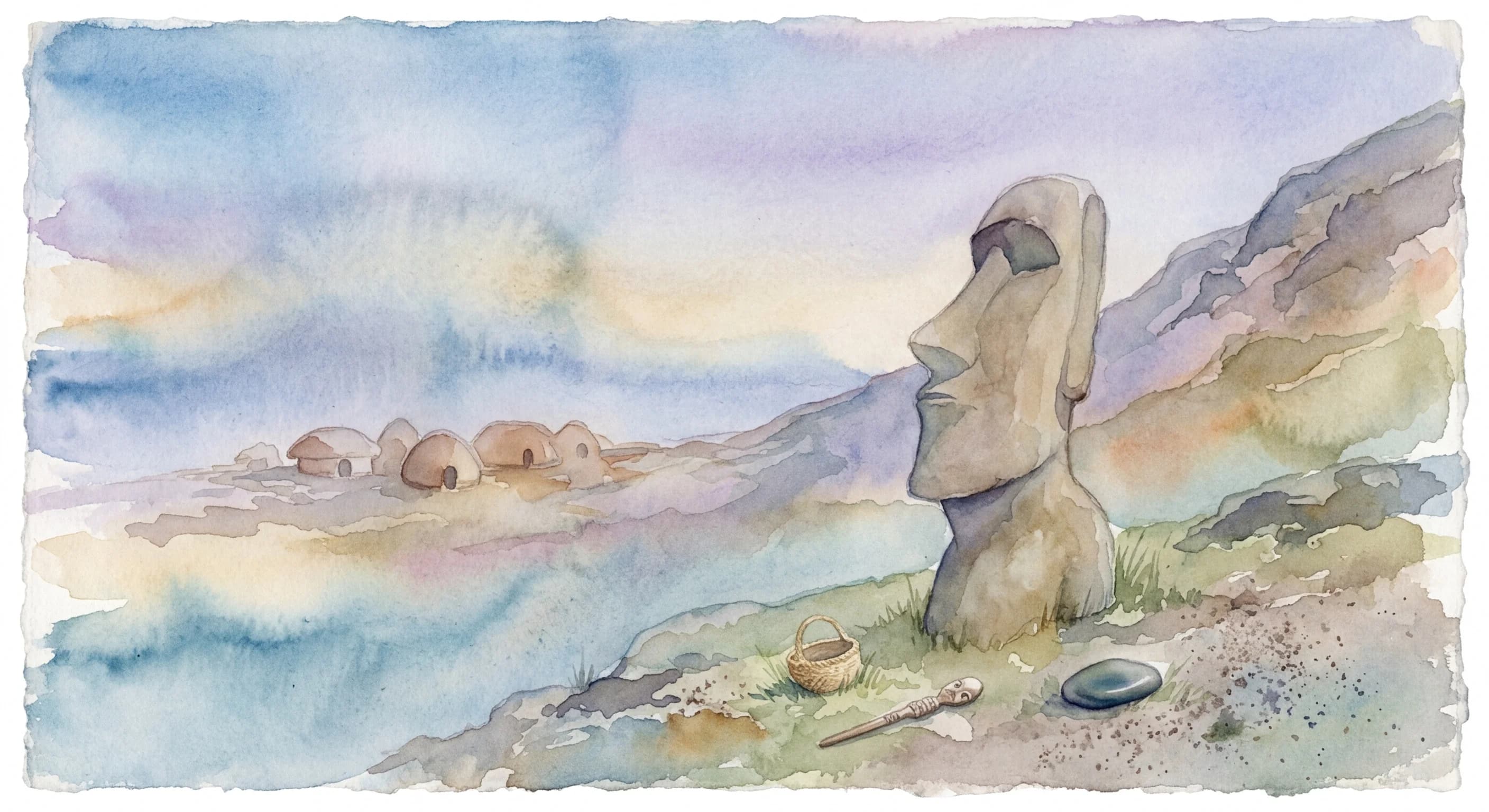
    Artistic representation of Tingo
    Pascuense•
    🗿Easter Island

    Tingo

    /TING-go/

    Meaning

    Tingo describes the subtle, insidious process of progressively appropriating a neighbor's belongings by habitually requesting to borrow them, only to 'forget' their return. It's not outright theft, but a slow, deliberate erosion of another's possessions, often under the guise of neighborly exchange. This gradual accumulation, piece by piece, ultimately results in a significant transfer of goods without any direct confrontation or formal acknowledgment of the loss. It speaks to a passive-aggressive form of acquisition, where social niceties are weaponized.

    The Story Behind the Word

    The existence of 'tingo' on Easter Island, a remote and historically resource-scarce environment, highlights the profound importance of communal harmony and the delicate balance of resource distribution. In a small island society, maintaining good relations with neighbors was crucial for survival, yet personal possessions, no matter how small, held significant value. 'Tingo' emerges as a descriptor for a behavior that subtly undermines communal trust without resorting to overt conflict, which would be detrimental to island cohesion. It reflects a society that values indirect communication and social maneuvering over direct confrontation, where perceived slights or imbalances might be addressed through such passive means. This word reveals a keen awareness of social dynamics and the psychological impact of repeated, minor transgressions on personal ownership and community spirit.

    Experience It

    The Vanishing Hammer

    Paea borrowed his neighbor's hammer for a small repair. Weeks later, he needed a wrench and borrowed that too, 'forgetting' to return the hammer. Soon, his neighbor noticed his entire toolkit had been slowly tingoed away.

    The Borrowed Fishing Net

    Manu often asked to use his friend's fishing net, promising to bring it back by dusk. After several such instances, the net never reappeared, having been subtly tingoed into Manu's permanent collection.

    The Deeper Meaning

    Tingo encapsulates a philosophical understanding of ownership and social obligation within a tight-knit community. It reveals a worldview where the line between borrowing and possessing can be blurred by repeated, unaddressed actions, testing the boundaries of generosity and trust. It underscores the psychological impact of passive aggression on communal bonds, highlighting how seemingly minor acts can collectively erode individual property rights and social equity over time.

    Did You Know?

    While often attributed to Pascuense, the word 'tingo' has also appeared in various 'untranslatable words' lists, sometimes with slightly different origins, showing its universal relatability despite specific cultural nuances.

    How It's Used

    When someone keeps borrowing things and conveniently forgets to return them.

    Emotion
    joy
    Context
    social interaction
    🗿Easter Island

    Topics

    • #dark
    • #humor

    by Sofia Rossi·Written Mar 10, 2026·Updated Apr 3, 2026

    Related Words

    Explore more
    Pura vidaSpanish

    More than just 'pure life,' "Pura vida" encapsulates a profound philosophy of embracing the present moment with unwavering optimism and gratitude. It's a daily commitment to finding joy in simple pleasures, accepting life's challenges with a positive spirit, and prioritizing well-being over material possessions. This ubiquitous phrase reflects a national identity built on resilience, community, and an deep appreciation for nature's bounty.

    JayusIndonesian

    Jayus describes that peculiar moment when a joke is so utterly devoid of humor, so poorly delivered, or so nonsensical that its very ineptitude triggers an involuntary, almost sympathetic burst of laughter. It's not laughter at the joke itself, but rather a reaction to the sheer awkwardness and the unexpected, delightful absurdity of someone failing so spectacularly to be funny. The humor stems from the meta-experience of witnessing a comedic train wreck, transforming discomfort into a shared moment of mirth.

    MamihlapinatapaiYaghan

    Mamihlapinatapai encapsulates that profound, unspoken moment when two individuals lock eyes, each silently acknowledging a mutual desire or intention, yet both hesitate to be the first to act upon it. It's a delicate dance of anticipation, a shared gaze brimming with common understanding and a quiet longing for the other to break the ice. This intricate look carries the weight of a shared, uninitiated potential, a silent conversation where both parties are perfectly aware of what could happen, but neither makes the first move.

    TarabArabic

    Tarab is far more than mere enjoyment; it's a profound, almost spiritual communion with music, where the performer and audience become one in a shared emotional journey. It signifies a state of ecstatic enchantment, a deep emotional surrender that transcends the self, leading to a transformative experience. This intense connection often manifests as spontaneous vocalizations, tears, or even physical swaying, as the music penetrates the soul and evokes a powerful release of feeling. It's a moment of pure, unadulterated musical rapture.

    Featured in 1 collection

    😄Humor Across Cultures