U.
HomeRegionsLanguagesEmotionsCollections
Find Your Word

“The limits of my language mean the limits of my world.”

— Ludwig Wittgenstein, Philosopher

Untranslatable

A curated collection of the world's most beautiful expressions—words that remind us language is humanity's greatest invention.

  • Home
  • Collections
  • Regions
  • Countries
  • Emotions
  • Tags
  • Contexts
  • Finder
  • Europe
  • Asia
  • Americas
  • Africa
  • Middle East
  • About
  • Contact
  • Privacy Policy
  • Terms of Service

2026 © Untranslatable. All rights reserved.

    /
    /
    1. Home
    2. /
    3. Middle East
    4. /
    5. Tarab
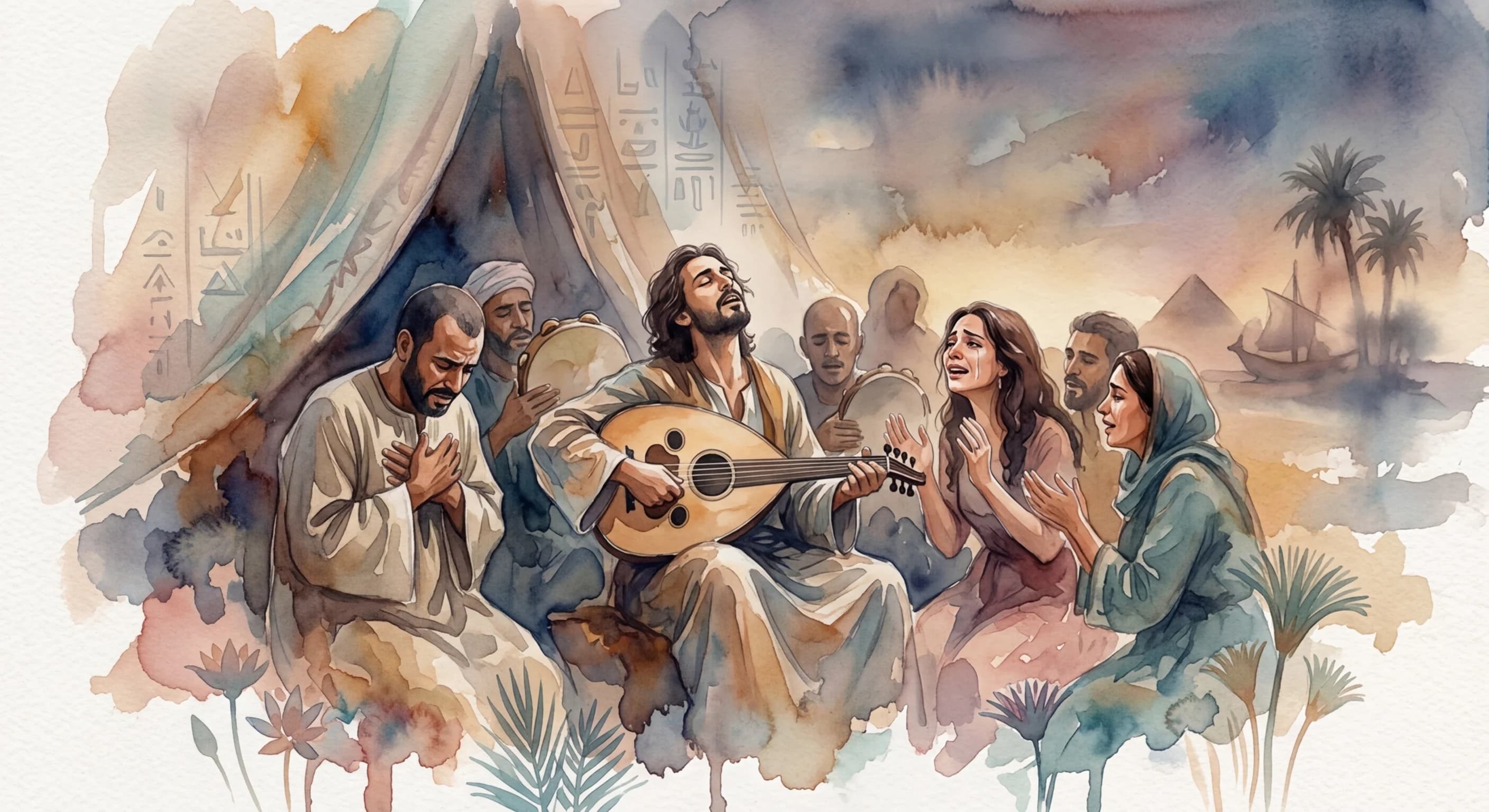
    Artistic representation of Tarab
    Arabic•
    🇪🇬Egypt

    Tarab

    /tah-RAHB/

    Meaning

    Tarab is far more than mere enjoyment; it's a profound, almost spiritual communion with music, where the performer and audience become one in a shared emotional journey. It signifies a state of ecstatic enchantment, a deep emotional surrender that transcends the self, leading to a transformative experience. This intense connection often manifests as spontaneous vocalizations, tears, or even physical swaying, as the music penetrates the soul and evokes a powerful release of feeling. It's a moment of pure, unadulterated musical rapture.

    The Story Behind the Word

    Tarab is deeply embedded in Arab musical tradition, particularly classical Arabic music, and has roots stretching back centuries. It reflects a cultural emphasis on emotional expression and the power of art to move the human spirit. Unlike Western classical music, which often prioritizes technical precision and intellectual appreciation, traditional Arab music, with its intricate melodic modes (maqamat) and rhythmic cycles (iqa'at), aims to elicit a direct, visceral emotional response. The concept of tarab underscores a communal understanding that music is a vehicle for spiritual elevation and shared catharsis, a way to connect with deeper truths and emotions, often facilitated by a skilled musician's ability to improvise and interpret, thereby 'playing' the audience's emotional landscape.

    Experience It

    A Singer's Soulful Performance

    During an Umm Kulthum concert, as her voice soared through a particularly poignant phrase, an old man in the front row closed his eyes, tears streaming down his face, completely lost in the melody. He wasn't just listening; he was experiencing tarab, his soul resonating with every note.

    Spontaneous Musical Ecstasy

    At a late-night gathering, an oud player began an improvisation that built slowly, his fingers dancing across the strings. Soon, people began to hum along, some swaying gently, others letting out soft sighs of appreciation, collectively entering a state of tarab, unified by the music's spell.

    The Deeper Meaning

    Tarab reveals a worldview where music is not merely entertainment but a powerful, almost sacred force capable of transcending the mundane. It suggests that true understanding and connection come through shared emotional experience, and that art can serve as a conduit for spiritual release and communal bonding. It emphasizes a holistic approach to being, where intellect and emotion are harmonized through aesthetic engagement.

    Did You Know?

    Did you know that achieving tarab was considered the ultimate goal for classical Arab musicians? A performer's true mastery wasn't just in their technical skill, but in their ability to evoke this profound emotional state in their audience.

    How It's Used

    The transcendent feeling when music moves you so deeply you lose yourself.

    Emotion
    joy
    Context
    art
    🇪🇬Egypt

    Topics

    • #art
    • #joy

    by Sofia Rossi·Written Mar 10, 2026·Updated Apr 3, 2026

    Related Words

    Explore more
    JayusIndonesian

    Jayus describes that peculiar moment when a joke is so utterly devoid of humor, so poorly delivered, or so nonsensical that its very ineptitude triggers an involuntary, almost sympathetic burst of laughter. It's not laughter at the joke itself, but rather a reaction to the sheer awkwardness and the unexpected, delightful absurdity of someone failing so spectacularly to be funny. The humor stems from the meta-experience of witnessing a comedic train wreck, transforming discomfort into a shared moment of mirth.

    TarofPersian

    Tarof is a deeply ingrained Iranian social custom, a delicate dance of politeness and deference where individuals engage in an elaborate exchange of offers and refusals. It's a performative humility, a way of showing respect and avoiding imposing, often involving multiple cycles of insistence and polite decline before a genuine acceptance or refusal is reached. This intricate ritual governs interactions from sharing food to paying bills, creating a nuanced social ballet.

    KeyifTurkish

    Keyif is a profound state of unhurried, mindful enjoyment, a deliberate savoring of the present moment without urgency or expectation. It's not merely relaxation, but an active engagement with the simple pleasures of life, finding contentment in the sensory details of a warm cup of tea, the gentle breeze, or a quiet conversation. It embodies a serene acceptance of 'what is,' fostering an inner peace that makes even mundane activities feel like a small celebration.

    TingoPascuense

    Tingo describes the subtle, insidious process of progressively appropriating a neighbor's belongings by habitually requesting to borrow them, only to 'forget' their return. It's not outright theft, but a slow, deliberate erosion of another's possessions, often under the guise of neighborly exchange. This gradual accumulation, piece by piece, ultimately results in a significant transfer of goods without any direct confrontation or formal acknowledgment of the loss. It speaks to a passive-aggressive form of acquisition, where social niceties are weaponized.

    Featured in 2 collections

    🎨Creative Soul😄Humor Across Cultures