U.
HomeRegionsLanguagesEmotionsCollections
Find Your Word

“The limits of my language mean the limits of my world.”

— Ludwig Wittgenstein, Philosopher

Untranslatable

A curated collection of the world's most beautiful expressions—words that remind us language is humanity's greatest invention.

  • Home
  • Collections
  • Regions
  • Countries
  • Emotions
  • Tags
  • Contexts
  • Finder
  • Europe
  • Asia
  • Americas
  • Africa
  • Middle East
  • About
  • Contact
  • Privacy Policy
  • Terms of Service

2026 © Untranslatable. All rights reserved.

    /
    /
    1. Home
    2. /
    3. Middle East
    4. /
    5. Tarof
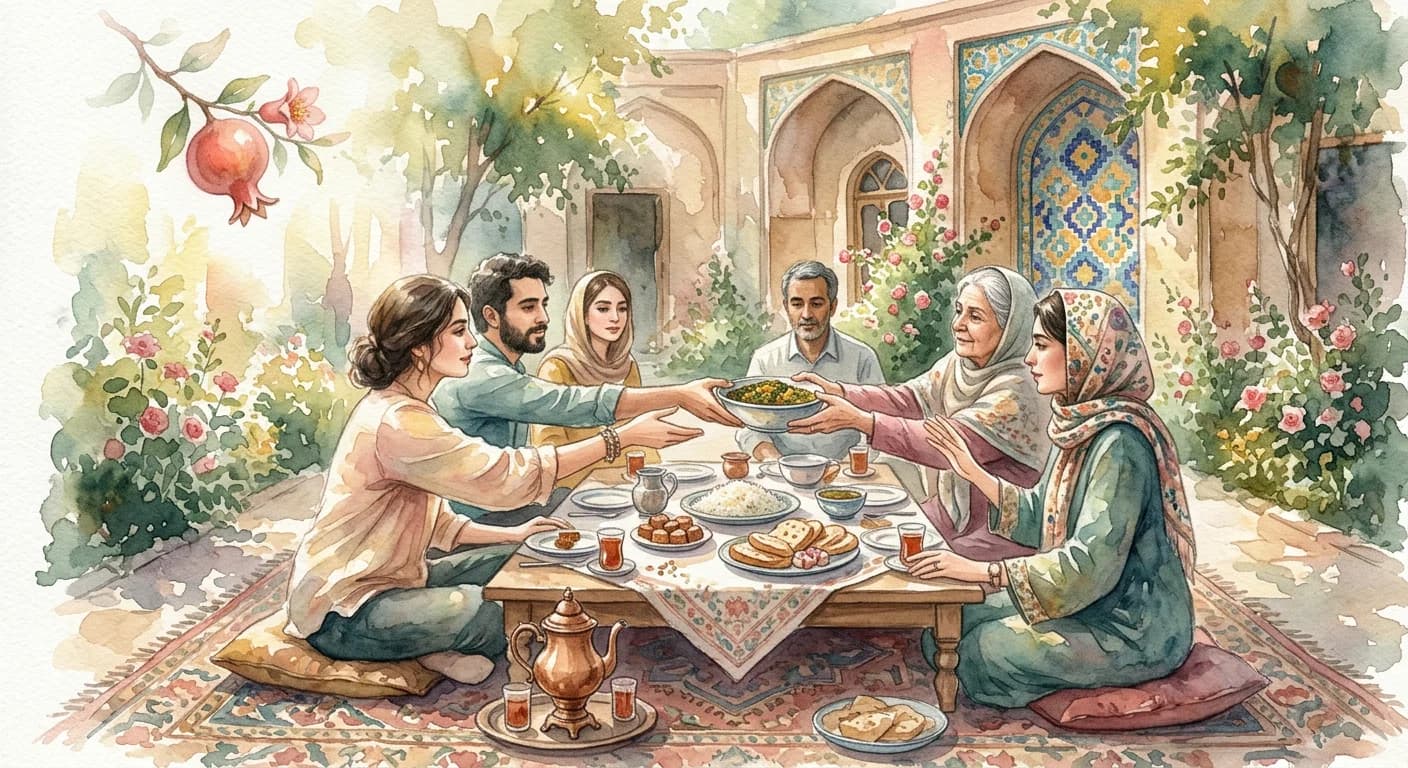
    Artistic representation of Tarof
    Persian•
    🇮🇷Iran

    Tarof

    /tah-ROFF/

    Meaning

    Tarof is a deeply ingrained Iranian social custom, a delicate dance of politeness and deference where individuals engage in an elaborate exchange of offers and refusals. It's a performative humility, a way of showing respect and avoiding imposing, often involving multiple cycles of insistence and polite decline before a genuine acceptance or refusal is reached. This intricate ritual governs interactions from sharing food to paying bills, creating a nuanced social ballet.

    The Story Behind the Word

    Tarof is more than just politeness; it's a cornerstone of Iranian social interaction, rooted in a historical emphasis on honor, humility, and maintaining social harmony. It reflects a worldview where directness can be seen as rude or aggressive, and where the comfort and perceived status of the other person are paramount. This elaborate code of conduct emerged from centuries of Persian courtly traditions and Islamic teachings emphasizing modesty and generosity. It subtly reinforces social hierarchies while simultaneously creating an atmosphere of mutual respect and hospitality, ensuring no one feels put upon or undervalued. The existence of tarof reveals a culture that values indirect communication, subtlety, and the preservation of social face above straightforward efficiency.

    Experience It

    The Dinner Invitation

    A host offers a guest more food, saying, "Please, have more!" The guest, though still hungry, initially refuses with, "No, thank you, I've had plenty." This exchange of offers and polite refusals might cycle several times before the guest, if they truly desire more, accepts after the host's persistent insistence, fulfilling the tarof.

    Paying the Bill

    At a restaurant, two friends will engage in a prolonged, theatrical argument over who gets to pay the bill. Each will insist on paying for the other, reaching for the check multiple times, often feigning offense if the other concedes too quickly, until one finally 'wins' the right to pay, upholding the tarof.

    The Deeper Meaning

    Tarof embodies a philosophy of self-effacement and prioritizes collective harmony over individual desire. It teaches patience, indirect communication, and the importance of subtly conveying respect and generosity. This intricate social ritual underscores a worldview where social bonds are strengthened through reciprocal acts of deference, and where true intentions are often communicated through nuanced gestures rather than explicit statements.

    Did You Know?

    Did you know that in some business negotiations, Iranians might initially refuse a very good offer as part of tarof, expecting the other party to insist, even if they genuinely want to accept?

    How It's Used

    The elaborate dance of offering tea three times before the guest finally accepts.

    Context
    social interaction
    🇮🇷Iran

    Topics

    • #connection
    • #hospitality

    by Dr. Kenji Tanaka·Written Mar 10, 2026·Updated Apr 3, 2026

    Related Words

    Explore more
    TarabArabic

    Tarab is far more than mere enjoyment; it's a profound, almost spiritual communion with music, where the performer and audience become one in a shared emotional journey. It signifies a state of ecstatic enchantment, a deep emotional surrender that transcends the self, leading to a transformative experience. This intense connection often manifests as spontaneous vocalizations, tears, or even physical swaying, as the music penetrates the soul and evokes a powerful release of feeling. It's a moment of pure, unadulterated musical rapture.

    KeyifTurkish

    Keyif is a profound state of unhurried, mindful enjoyment, a deliberate savoring of the present moment without urgency or expectation. It's not merely relaxation, but an active engagement with the simple pleasures of life, finding contentment in the sensory details of a warm cup of tea, the gentle breeze, or a quiet conversation. It embodies a serene acceptance of 'what is,' fostering an inner peace that makes even mundane activities feel like a small celebration.

    dernekTurkish

    A "dernek" is more than just an association; it's a vibrant hub of collective action and social solidarity in Turkey. It represents a formally organized body, often rooted in shared passions, community needs, or cultural preservation, where individuals unite to pursue common goals. From local charity initiatives to professional guilds and cultural heritage groups, a dernek embodies the spirit of coming together to build, support, and enhance the fabric of society, fostering a profound sense of belonging and mutual responsibility.

    MaidanUkrainian

    The 'Maidan' is far more than a mere open space; it is the vibrant, beating heart of a Ukrainian city or town, a crucible where collective life unfolds. It serves as a traditional gathering place for bustling markets, joyous festivals, and solemn commemorations, but also as a powerful stage for political rallies and transformative public demonstrations. This central square embodies the very essence of community, a living canvas where history is etched through shared experiences and pivotal events.

    Featured in 1 collection

    🧠Social Intelligence