Dernek
/DEHR-nek/
Meaning
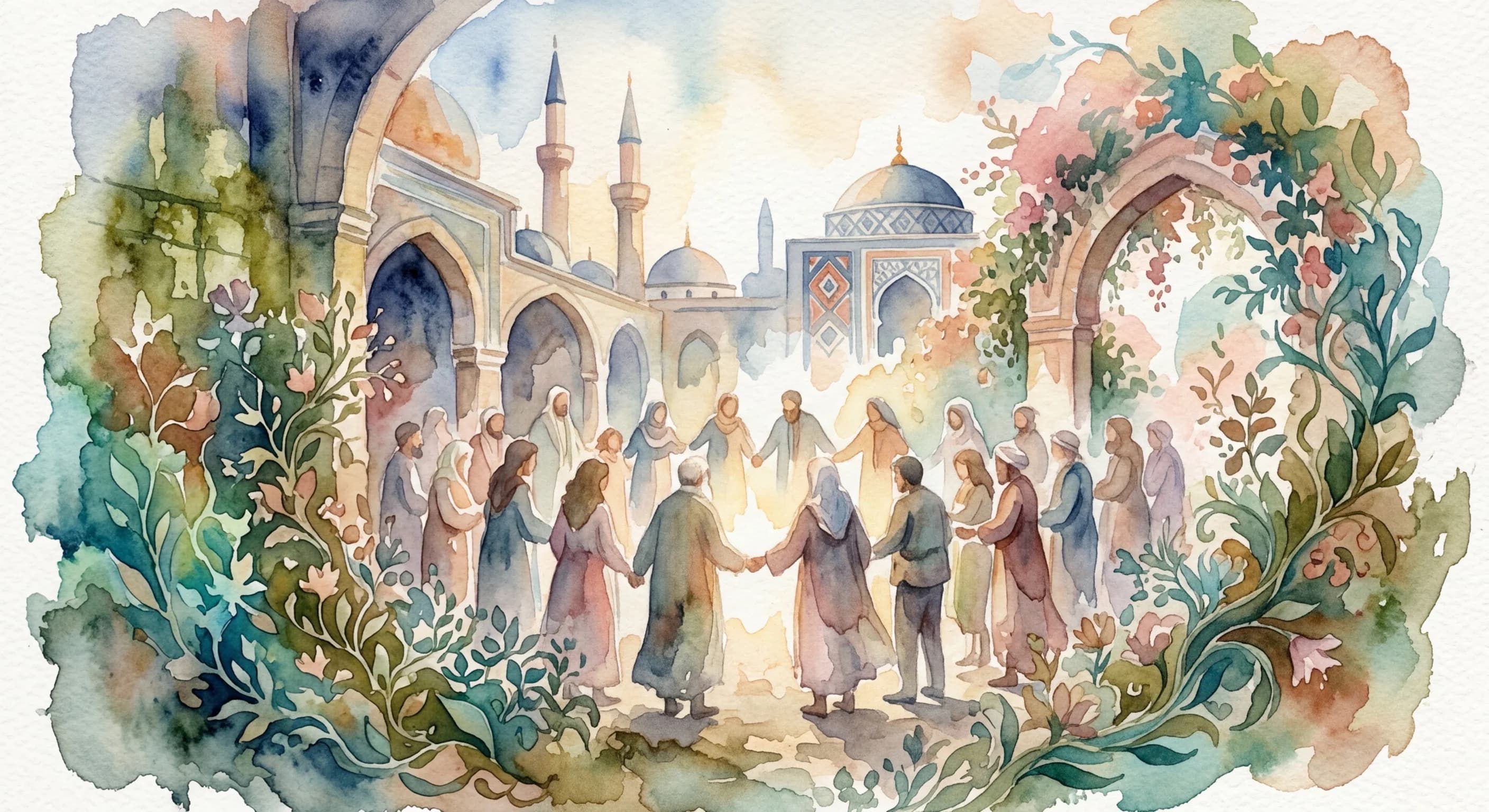
A "dernek" is more than just an association; it's a vibrant hub of collective action and social solidarity in Turkey. It represents a formally organized body, often rooted in shared passions, community needs, or cultural preservation, where individuals unite to pursue common goals. From local charity initiatives to professional guilds and cultural heritage groups, a dernek embodies the spirit of coming together to build, support, and enhance the fabric of society, fostering a profound sense of belonging and mutual responsibility.
Literal Translation
association, society, club
The Story Behind the Word
The concept of "dernek" is deeply embedded in Turkish social fabric, reflecting a historical emphasis on community, mutual aid, and organized collective action. Its roots can be traced back to Ottoman-era guilds (lonca) and religious endowments (vakıf), which served vital social and economic functions, ensuring welfare, preserving crafts, and maintaining social order. This tradition of voluntary association for the common good has evolved into the modern dernek, which continues to be a cornerstone of civil society. It reveals a worldview where individual well-being is intrinsically linked to the strength and cohesion of the community, and where active participation in collective endeavors is valued as a civic duty and a path to social progress. The dernek provides a structured avenue for expressing shared identity, addressing local challenges, and strengthening social bonds, underscoring a communal rather than purely individualistic approach to life.
Experience It
Neighborhood Cleanup Dernek
The residents of the old quarter formed a 'Mahalle Güzelleştirme Derneği' (Neighborhood Beautification Association). Every Saturday morning, they gather to plant flowers, pick up litter, and paint benches, transforming their streets into a vibrant, welcoming space for everyone.
Diaspora Cultural Dernek
Far from home, a group of Turkish expatriates established a 'Kültür ve Dayanışma Derneği' (Culture and Solidarity Association). They organize folk dance classes, Turkish language lessons for their children, and festive gatherings, ensuring their heritage thrives across borders and providing a support network for newcomers.
The Deeper Meaning
The "dernek" encapsulates a philosophy of communitarianism, where the collective good and social cohesion are paramount. It reflects a belief that shared problems are best solved through shared effort, and that individual identity is enriched by contributing to a larger group. This concept underscores the enduring Turkish value of "dayanışma" (solidarity), suggesting that a thriving society is built upon active participation, mutual support, and the organized pursuit of common aspirations, rather than solely individualistic endeavors.
Did You Know?
There are over 100,000 registered 'dernek' in Turkey, covering an astonishing range of interests from pigeon breeding to space exploration, showcasing the diverse passions and collective spirit of the Turkish people.
How It's Used
Used to refer to associations, societies, clubs, or foundations, especially in Turkey.