U.
HomeRegionsLanguagesEmotionsCollections
Find Your Word

“The limits of my language mean the limits of my world.”

— Ludwig Wittgenstein, Philosopher

Untranslatable

A curated collection of the world's most beautiful expressions—words that remind us language is humanity's greatest invention.

  • Home
  • Collections
  • Regions
  • Countries
  • Emotions
  • Tags
  • Contexts
  • Finder
  • Europe
  • Asia
  • Americas
  • Africa
  • Middle East
  • About
  • Contact
  • Privacy Policy
  • Terms of Service

2026 © Untranslatable. All rights reserved.

    /
    /
    1. Home
    2. /
    3. Americas
    4. /
    5. Willka
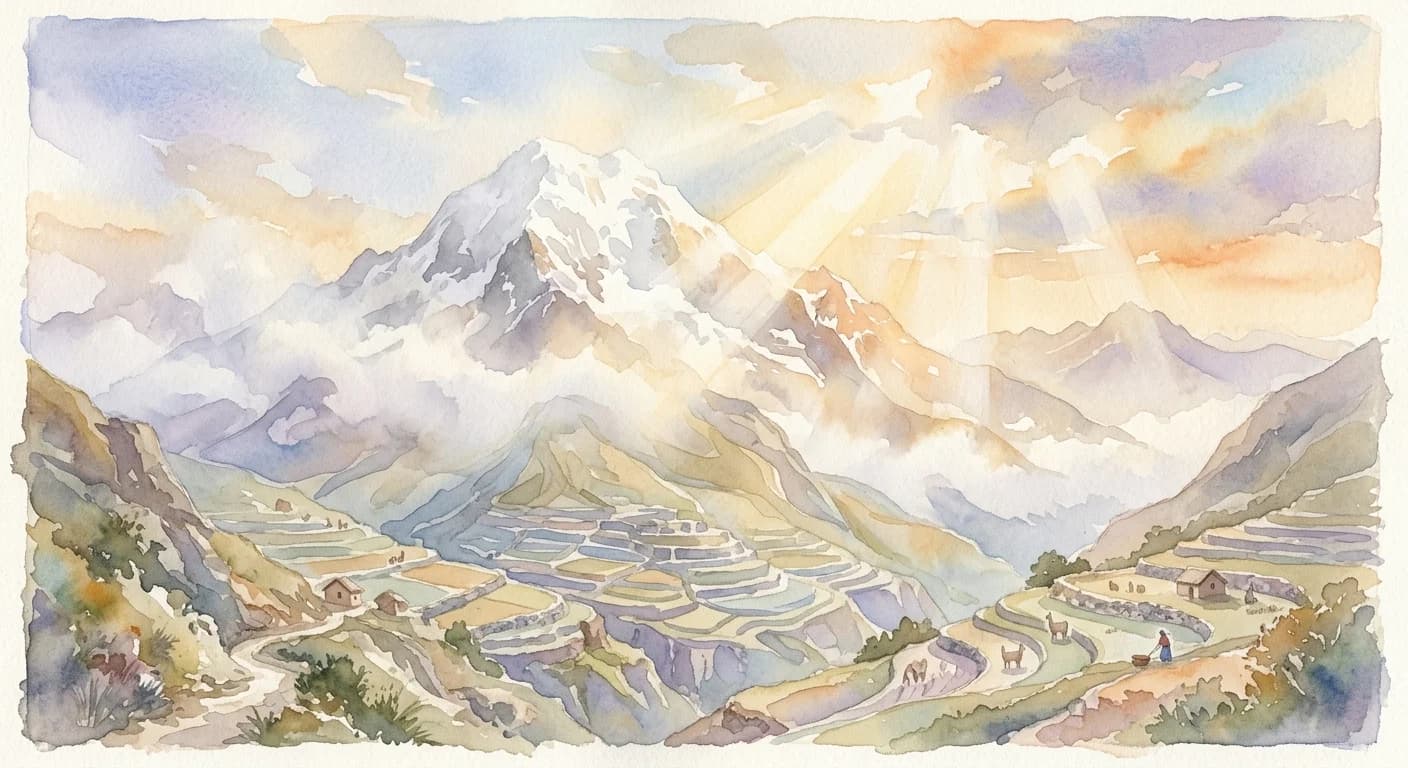
    Artistic representation of Willka
    Quechua•
    🇧🇴Bolivia🇪🇨Ecuador🇵🇪Peru

    Willka

    /WIL-ka/

    Meaning

    Willka transcends a simple translation of 'sacred' or 'holy'; it embodies a profound, living reverence for the natural world as inherently divine. It signifies a spiritual connection to the land, mountains, sun, and ancestral sites, recognizing them not merely as objects but as sentient beings imbued with sacred power and wisdom. This term encapsulates the holistic worldview of Andean cultures, where the divine is immanent in every aspect of the natural environment, fostering a deep reciprocal relationship between humans and the cosmos.

    Literal Translation

    Sacred, holy, revered

    The Story Behind the Word

    The existence of 'Willka' reveals the fundamental Andean cosmovision, where the division between the sacred and the profane is blurred, or even nonexistent. For millennia, Andean peoples have lived in intimate connection with their environment, viewing mountains (Apus), rivers, and the sun (Inti) as living entities deserving of respect, reciprocity (ayni), and ritual offerings. 'Willka' is not just a descriptor; it's an acknowledgment of this deep spiritual vitality within the landscape. It reflects a philosophy where the land is not owned but rather sustained through harmonious interaction, and where ancestors continue to reside in and influence the natural world. This word underscores a worldview where spirituality is woven into the very fabric of daily existence, guiding interactions with both the visible and invisible realms.

    Experience It

    Pilgrimage to the Peak

    As the sun rose, Grandfather Mateo led his family on the arduous climb towards the mountain's summit. He spoke in hushed tones, explaining, 'This Apu is Willka; it watches over us and our crops. We must approach with humble hearts and offer our gratitude.' Upon reaching the peak, they left coca leaves and chicha, feeling a profound connection to the ancient spirits.

    Sun's Sacred Gaze

    During Inti Raymi, the Winter Solstice, the community gathered before dawn. As the first rays of light touched the horizon, a collective sigh of reverence swept through the crowd. 'Inti Willka!' they whispered, acknowledging the sun's life-giving power and its sacred presence, essential for the continuation of all life.

    The Deeper Meaning

    Willka articulates a profound eco-spiritual philosophy where nature is not a resource to be exploited but a living, sacred entity to be revered and engaged with reciprocally. It posits that divinity is not separate from the world but deeply embedded within it, fostering a sense of interconnectedness and responsibility towards all life. This worldview encourages humility and a deep respect for the Earth as the ultimate provider and spiritual guide.

    Did You Know?

    The Inca Empire, known for its advanced civilization, considered many of its most important sites and natural features 'Willka,' solidifying the spiritual significance of their landscape.

    How It's Used

    The term 'Willka' is used to describe sacred mountains (Apus), the sun (Inti Willka), or any place or object of deep spiritual significance in Quechua-speaking communities.

    Emotions
    belonging,gratitude,wonder
    Contexts
    family,nature,spirituality,tradition
    🇧🇴Bolivia🇪🇨Ecuador🇵🇪Peru

    by Anya Petrova·Written Mar 10, 2026·Updated Apr 3, 2026

    Related Words

    Explore more
    SobremesaSpanish

    Sobremesa is the cherished, often extended period immediately following a meal, particularly lunch or dinner, where diners remain seated at the table to enjoy conversation, coffee, and digest not just the food, but the company itself. It’s a dedicated time for unhurried social bonding, storytelling, and shared laughter, transforming a simple meal into a profound communal experience. Far from just clearing the dishes, sobremesa is an integral part of Spanish social life, often lasting for hours.

    Pura vidaSpanish

    More than just 'pure life,' "Pura vida" encapsulates a profound philosophy of embracing the present moment with unwavering optimism and gratitude. It's a daily commitment to finding joy in simple pleasures, accepting life's challenges with a positive spirit, and prioritizing well-being over material possessions. This ubiquitous phrase reflects a national identity built on resilience, community, and an deep appreciation for nature's bounty.

    MamihlapinatapaiYaghan

    Mamihlapinatapai encapsulates that profound, unspoken moment when two individuals lock eyes, each silently acknowledging a mutual desire or intention, yet both hesitate to be the first to act upon it. It's a delicate dance of anticipation, a shared gaze brimming with common understanding and a quiet longing for the other to break the ice. This intricate look carries the weight of a shared, uninitiated potential, a silent conversation where both parties are perfectly aware of what could happen, but neither makes the first move.

    UbuntuZulu/Xhosa

    Ubuntu is a profound African philosophy that translates to 'I am because we are,' signifying that an individual's humanity is inextricably linked to the humanity of others. It embodies the belief that our existence and well-being are deeply intertwined with the community. This concept emphasizes compassion, reciprocity, dignity, and the understanding that true fulfillment is found not in isolation, but through collective flourishing and mutual support. It's a call to recognize and affirm the humanity in everyone, fostering a sense of interconnectedness.