Tlateotlalia
/tlah-tay-oh-TAH-lee-ah/
Meaning
Tlateotlalia is a profound act of spiritual elevation, where an object, phenomenon, or even an abstract concept is imbued with divine essence and venerated as sacred. It transcends mere admiration, recognizing an inherent power, origin, or spirit that connects the earthly to the cosmic. This term encapsulates a worldview where the sacred is not separate from the mundane, but rather intricately woven into the fabric of daily existence, demanding deep reverence and awe.
Literal Translation
to deify, to make divine
The Story Behind the Word
The concept of "tlateotlalia" is deeply rooted in the Nahua cosmovision, where the divine was not confined to anthropomorphic deities but permeated all aspects of the natural world and human experience. Mountains, rivers, particular trees, agricultural cycles, and even certain human achievements could be seen as manifestations of divine power or imbued with sacred essence. This holistic perspective meant that reverence was not just for gods in temples, but for the inherent sacredness found everywhere, reflecting a profound interconnectedness between humanity, nature, and the cosmos. It reveals a culture that perceived the world as alive with spiritual forces, where every element held the potential for divine connection and required respectful interaction.
Experience It
Venerating the Maize
During the harvest, farmers would carefully select the most perfect ears of maize, not just as food, but as a sacred gift. They would perform rituals, tlateotlalia, to acknowledge the divine spirit of Centeotl (the maize deity) present within the kernels, ensuring future fertility and expressing profound gratitude for sustenance.
A Poet's Revelation
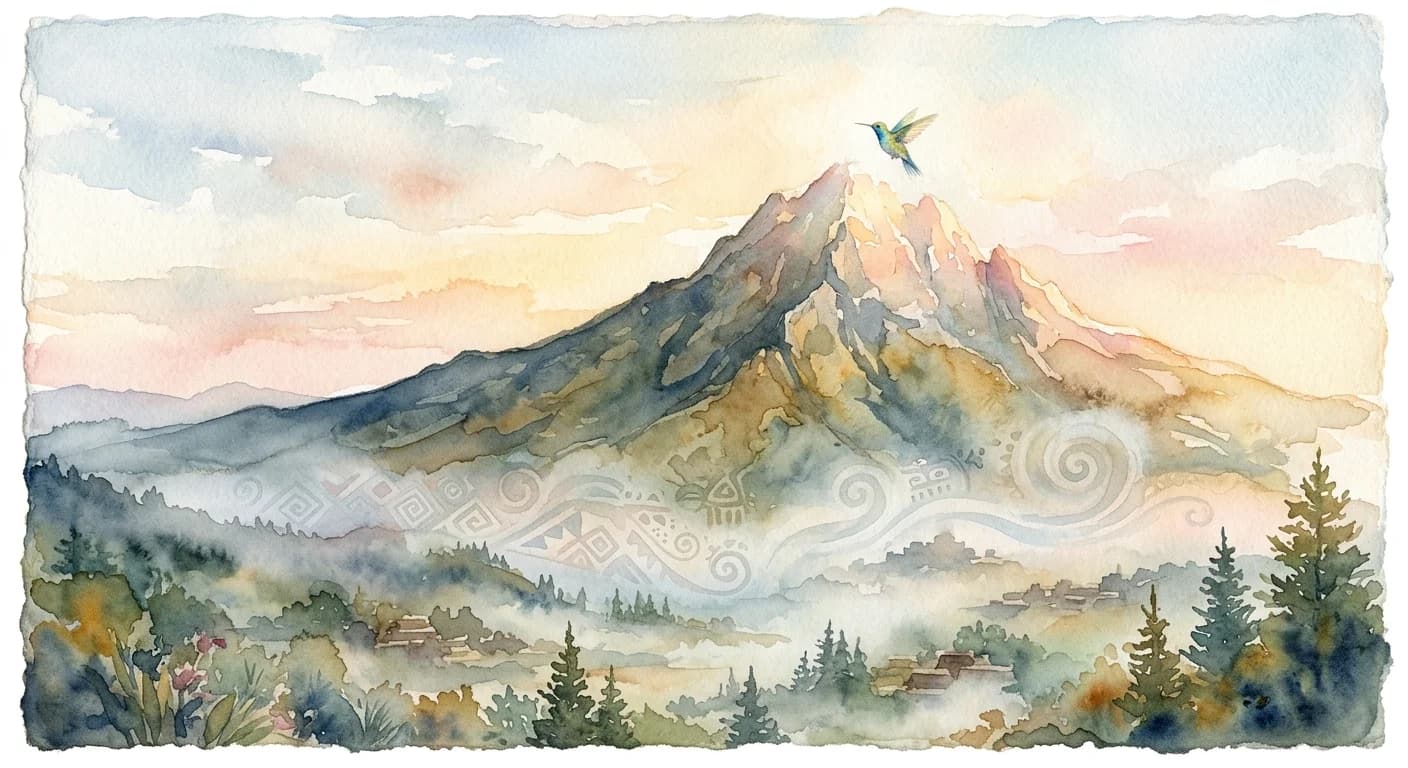
A Nahua poet, gazing at the majestic Popocatépetl volcano, felt an overwhelming sense of its power and ancient spirit. In that moment, he engaged in tlateotlalia, recognizing not just a mountain, but a living, breathing entity imbued with divine presence, a sacred guardian overlooking the valley.
The Deeper Meaning
This word reveals a philosophy where divinity is not transcendent and distant, but immanent and accessible in the everyday world. It challenges anthropocentric views by suggesting that sacredness resides in the essence of things themselves, fostering a deep ecological awareness and a sense of responsibility towards all aspects of creation. It underscores a worldview of profound spiritual democracy, where the divine can manifest anywhere.
Did You Know?
The act of tlateotlalia often involved offerings, prayers, and specific rituals, transforming the ordinary into a conduit for divine communication and strengthening the community's bond with the sacred.
How It's Used
Used in spiritual or poetic contexts to describe the act of attributing divine qualities or sacredness to something.