U.
HomeRegionsLanguagesEmotionsCollections
Find Your Word

“The limits of my language mean the limits of my world.”

— Ludwig Wittgenstein, Philosopher

Untranslatable

A curated collection of the world's most beautiful expressions—words that remind us language is humanity's greatest invention.

  • Home
  • Collections
  • Regions
  • Countries
  • Emotions
  • Tags
  • Contexts
  • Finder
  • Europe
  • Asia
  • Americas
  • Africa
  • Middle East
  • About
  • Contact
  • Privacy Policy
  • Terms of Service

2026 © Untranslatable. All rights reserved.

    /
    /
    1. Home
    2. /
    3. Americas
    4. /
    5. Cempasuchitl
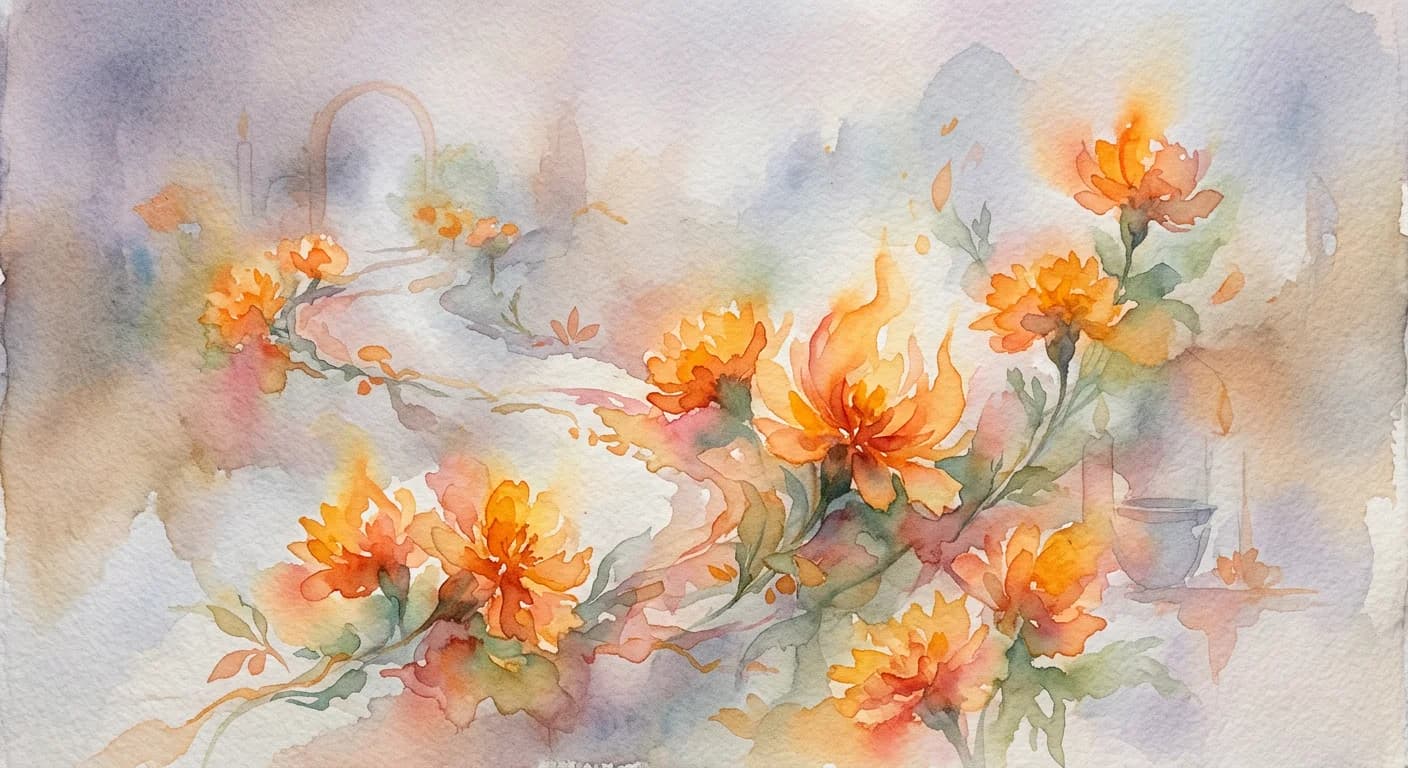
    Artistic representation of cempasuchitl
    Nahuatl•
    🇲🇽Mexico

    Cempasuchitl

    /sem-pah-SOO-cheet/

    Meaning

    Cempasúchil, more than just a 'marigold,' is the sun-drenched, vibrant orange flower central to Mexican cultural identity, especially during Día de Muertos. Its intense hue and potent, sweet aroma are believed to guide the spirits of the departed back to their earthly homes, serving as a fragrant, visual pathway from the spirit world. It embodies a profound connection between life and death, honoring ancestors while celebrating the continuous cycle of existence, acting as a beacon of remembrance and love.

    Literal Translation

    twenty flowers (from 'cempoalli' meaning twenty and 'xochitl' meaning flower)

    The Story Behind the Word

    The cempasúchil's significance is deeply rooted in ancestral Mesoamerican beliefs, predating the Spanish conquest. For the Nahua people, the flower, with its 'twenty petals' (its literal meaning), symbolized the sun's life-giving force and the cyclical nature of existence. Its prominent role in Día de Muertos reflects a worldview where death is not an end, but a transition, and ancestors remain an integral part of the community. The flower's ephemeral beauty mirrors the transient nature of life, yet its annual bloom ensures a continuous connection to those who have passed, reinforcing a spiritual bond between realms. It signifies that even in grief, there is warmth, light, and a pathway for reunion.

    Experience It

    Ofrenda Preparation

    Abuela carefully plucks the petals of the cempasúchil, their scent filling the air. She meticulously arranges them to form a golden path from the front door to the family's altar, ensuring her beloved husband's spirit will find his way home to the offerings prepared just for him.

    Cemetery Visit

    A young boy places a vibrant cempasúchil bloom on his grandfather's grave. He whispers a message, believing the flower's vivid color and strong aroma will carry his words directly to his abuelo, a silent conversation across the veil.

    The Deeper Meaning

    The cempasúchil embodies a philosophical acceptance of death as an intrinsic part of life's continuum, not an end to be feared but a transition to be honored. It reveals a worldview where the veil between worlds is thin, and love transcends physical presence, allowing for a vibrant, cyclical reunion with ancestors. This flower, therefore, is a symbol of enduring memory and the warmth of continued familial bonds.

    Did You Know?

    Archaeological evidence suggests cempasúchil has been cultivated in Mexico for thousands of years, not just for ceremonial use but also for medicinal purposes and as a natural dye!

    How It's Used

    The word refers to the flower itself, and is particularly significant during the Day of the Dead celebrations in Mexico, where the flowers are used extensively for decoration, creating pathways to altars, and offering to the deceased.

    Emotions
    gratitude,joy,nostalgia,wonder
    Contexts
    celebration,family,farewell,seasons
    🇲🇽Mexico

    by Sofia Rossi·Written Mar 10, 2026·Updated Apr 3, 2026

    Related Words

    Explore more
    Pura vidaSpanish

    More than just 'pure life,' "Pura vida" encapsulates a profound philosophy of embracing the present moment with unwavering optimism and gratitude. It's a daily commitment to finding joy in simple pleasures, accepting life's challenges with a positive spirit, and prioritizing well-being over material possessions. This ubiquitous phrase reflects a national identity built on resilience, community, and an deep appreciation for nature's bounty.

    JayusIndonesian

    Jayus describes that peculiar moment when a joke is so utterly devoid of humor, so poorly delivered, or so nonsensical that its very ineptitude triggers an involuntary, almost sympathetic burst of laughter. It's not laughter at the joke itself, but rather a reaction to the sheer awkwardness and the unexpected, delightful absurdity of someone failing so spectacularly to be funny. The humor stems from the meta-experience of witnessing a comedic train wreck, transforming discomfort into a shared moment of mirth.

    MamihlapinatapaiYaghan

    Mamihlapinatapai encapsulates that profound, unspoken moment when two individuals lock eyes, each silently acknowledging a mutual desire or intention, yet both hesitate to be the first to act upon it. It's a delicate dance of anticipation, a shared gaze brimming with common understanding and a quiet longing for the other to break the ice. This intricate look carries the weight of a shared, uninitiated potential, a silent conversation where both parties are perfectly aware of what could happen, but neither makes the first move.

    TarabArabic

    Tarab is far more than mere enjoyment; it's a profound, almost spiritual communion with music, where the performer and audience become one in a shared emotional journey. It signifies a state of ecstatic enchantment, a deep emotional surrender that transcends the self, leading to a transformative experience. This intense connection often manifests as spontaneous vocalizations, tears, or even physical swaying, as the music penetrates the soul and evokes a powerful release of feeling. It's a moment of pure, unadulterated musical rapture.