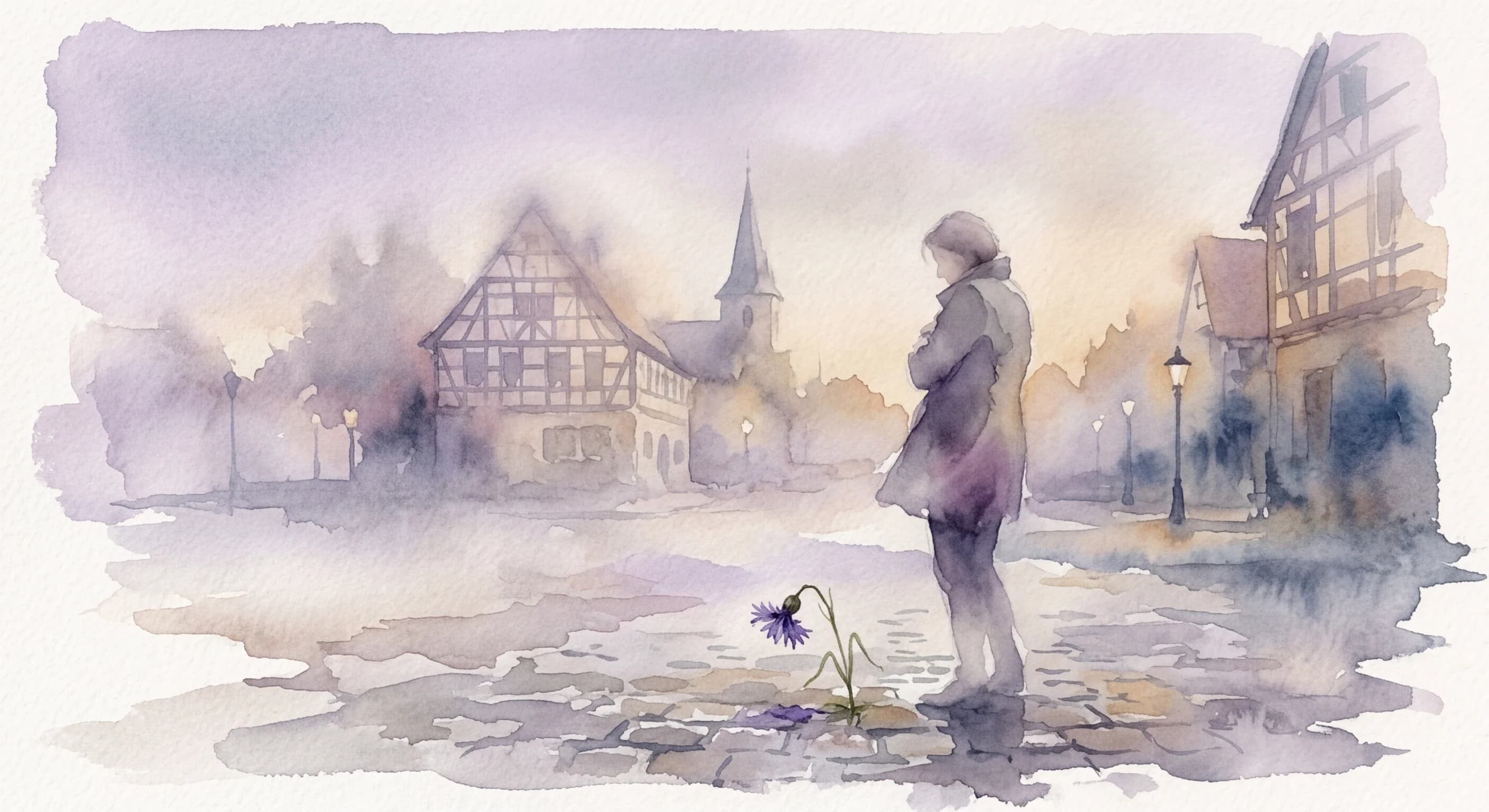
Fremdschämen
/FREMD-shay-men/
Meaning
Fremdschämen captures the acute, almost visceral discomfort one experiences when witnessing another person's embarrassing actions, as if their mortification were your own. It's the involuntary cringe, the desire to disappear or intervene, sparked by a profound sense of social empathy and a keen awareness of unspoken social codes being flagrantly violated. This feeling transcends mere pity, becoming a shared, albeit vicarious, burden of shame that highlights the intricate web of social expectations and their emotional consequences.
Literal Translation
foreign shame
The Story Behind the Word
The existence of "Fremdschämen" in German culture speaks to a deep-seated emphasis on social harmony, propriety, and a collective responsibility for maintaining decorum. German society often values order, predictability, and a certain degree of reserve in public interactions. Therefore, witnessing a blatant social faux pas, even by a stranger, can trigger a strong emotional response because it disrupts this perceived order and reflects poorly, in a sense, on the collective standard. It reveals a culture where individual actions are often viewed through a communal lens, and a transgression by one can ripple through the emotional landscape of observers, underscoring a strong sense of social interdependence and a sensitivity to public image.
Experience It
Bad Public Speaker
During a company presentation, a colleague fumbles their words repeatedly, mispronounces key terms, and accidentally projects their desktop background of a silly cat meme. You find yourself squirming in your seat, cheeks flushing, wishing you could vanish into the floor, feeling their acute embarrassment as if it were your own.
Awkward First Date
Overhearing a first date at the next table, one person tells a long, meandering, and utterly unfunny anecdote, completely missing the other person's increasingly uncomfortable cues. You instinctively look away, feeling a wave of cringeworthy shame on behalf of the oblivious storyteller and their captive audience.
The Deeper Meaning
This word offers a glimpse into a worldview that prioritizes collective social harmony and the intricate dance of social norms. It suggests an underlying philosophy where individual actions are not just personal but have a broader social resonance, capable of eliciting a powerful, empathetic shame in others. It highlights the deeply interconnected nature of human experience and the emotional weight placed on maintaining social order and avoiding public discomfort.
Did You Know?
While the feeling has likely always existed, the word "Fremdschämen" itself only gained widespread popularity in German language and media in the late 20th and early 21st centuries, reflecting a growing awareness and need to label this specific emotional phenomenon.
How It's Used
Used when observing or hearing about someone else's embarrassing actions, speech, or social faux pas.