U.
HomeRegionsLanguagesEmotionsCollections
Find Your Word

“The limits of my language mean the limits of my world.”

— Ludwig Wittgenstein, Philosopher

Untranslatable

A curated collection of the world's most beautiful expressions—words that remind us language is humanity's greatest invention.

  • Home
  • Collections
  • Regions
  • Countries
  • Emotions
  • Tags
  • Contexts
  • Finder
  • Europe
  • Asia
  • Americas
  • Africa
  • Middle East
  • About
  • Contact
  • Privacy Policy
  • Terms of Service

2026 © Untranslatable. All rights reserved.

    /
    /
    1. Home
    2. /
    3. Americas
    4. /
    5. Tonalpohualli
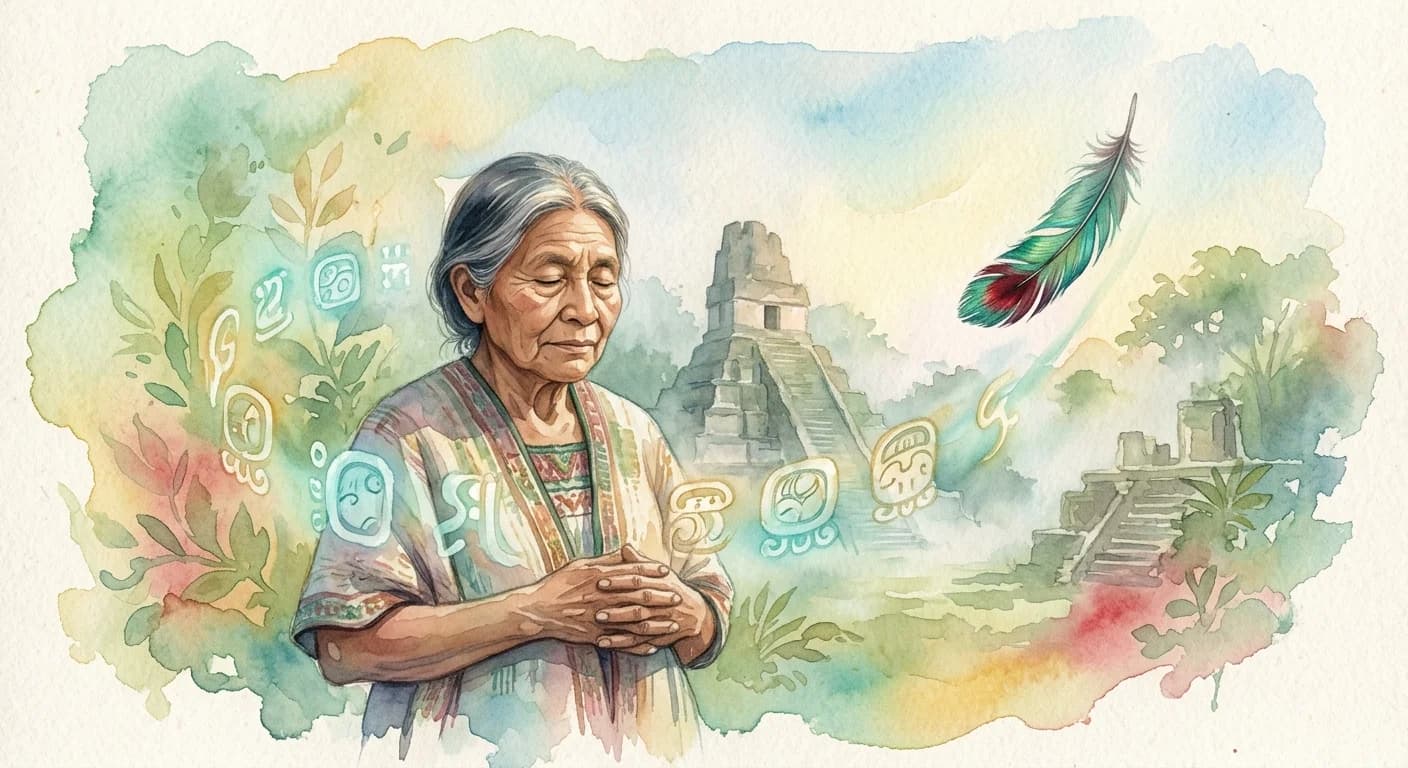
    Artistic representation of tonalpohualli
    Nahuatl•
    🇲🇽Mexico

    Tonalpohualli

    /toh-nal-poh-WAA-lee/

    Meaning

    The Tonalpohualli is far more than a mere calendar; it is the sacred 260-day ritual cycle of the Aztec and other Mesoamerican peoples, a living tapestry of time, divinity, and destiny. Each day, born from the intricate interplay of thirteen numbers and twenty sacred glyphs, carried unique spiritual energies, omens, and influences. To understand one's Tonalpohualli, particularly one's birth sign, was to unlock profound insights into one's inherent nature, destined path, and intricate connection to the cosmic forces that shaped existence.

    Literal Translation

    counting of days

    The Story Behind the Word

    The Tonalpohualli was foundational to Mesoamerican life, reflecting a worldview where time was cyclical, sacred, and imbued with divine power. Its existence reveals a profound understanding of cosmic patterns and a belief that human life was inextricably linked to these celestial rhythms. Priests, known as tlamatinime, meticulously interpreted the Tonalpohualli for divination, determining auspicious days for ceremonies, warfare, or even the naming of children. It provided a framework for understanding one's place in the universe, guiding decisions from the mundane to the monumental, and ensuring harmony between humanity and the gods. This calendar was not a passive measurement but an active force, shaping identity and destiny from birth.

    Experience It

    Naming a Newborn

    A young Aztec couple brings their newborn to the tlamatinime. The priest consults the Tonalpohualli, noting the day's specific number and glyph. He solemnly declares the child's birth sign, explaining the inherent character traits and potential destiny, which will guide the family in raising their child according to the cosmic will.

    Choosing a Battle Day

    An Aztec general, planning a crucial military campaign, consults the priests. They meticulously analyze the Tonalpohualli, seeking a day with powerful, favorable omens for warfare and conquest. The chosen day, imbued with specific divine energies, is believed to significantly increase their chances of victory and honor.

    The Deeper Meaning

    The Tonalpohualli embodies a philosophy of deterministic yet navigable destiny. While one's birth sign set a fundamental character and path, understanding these cosmic influences allowed for conscious alignment or mitigation. It underscored a worldview where the individual was not separate from the cosmos, but an integral, divinely patterned part of an omnipresent, cyclical flow of time and energy.

    Did You Know?

    The 260-day Tonalpohualli aligns perfectly with the approximate human gestation period, suggesting a deep connection between human life cycles and cosmic rhythms.

    How It's Used

    Used to refer to the Aztec ritual calendar, its days, and the divination associated with it.

    Emotions
    belonging,gratitude,peace,wonder
    Contexts
    celebration,religion,seasons,work
    🇲🇽Mexico

    by Annelise Dubois·Written Mar 10, 2026·Updated Apr 3, 2026

    Related Words

    Explore more
    Dolce far nienteItalian

    Dolce far niente captures the profound joy and effortless pleasure derived from simply existing without obligation or purpose. It's the art of savoring moments of pure, unadulterated idleness – lying in the sun, watching the clouds drift, or enjoying a leisurely coffee – not as a break from work, but as a valuable state in itself. This 'sweetness of doing nothing' is a conscious embrace of stillness and contentment, allowing the soul to breathe and the senses to fully engage with the present.

    SobremesaSpanish

    Sobremesa is the cherished, often extended period immediately following a meal, particularly lunch or dinner, where diners remain seated at the table to enjoy conversation, coffee, and digest not just the food, but the company itself. It’s a dedicated time for unhurried social bonding, storytelling, and shared laughter, transforming a simple meal into a profound communal experience. Far from just clearing the dishes, sobremesa is an integral part of Spanish social life, often lasting for hours.

    Pura vidaSpanish

    More than just 'pure life,' "Pura vida" encapsulates a profound philosophy of embracing the present moment with unwavering optimism and gratitude. It's a daily commitment to finding joy in simple pleasures, accepting life's challenges with a positive spirit, and prioritizing well-being over material possessions. This ubiquitous phrase reflects a national identity built on resilience, community, and an deep appreciation for nature's bounty.

    MamihlapinatapaiYaghan

    Mamihlapinatapai encapsulates that profound, unspoken moment when two individuals lock eyes, each silently acknowledging a mutual desire or intention, yet both hesitate to be the first to act upon it. It's a delicate dance of anticipation, a shared gaze brimming with common understanding and a quiet longing for the other to break the ice. This intricate look carries the weight of a shared, uninitiated potential, a silent conversation where both parties are perfectly aware of what could happen, but neither makes the first move.