U.
HomeRegionsLanguagesEmotionsCollections
Find Your Word

“The limits of my language mean the limits of my world.”

— Ludwig Wittgenstein, Philosopher

Untranslatable

A curated collection of the world's most beautiful expressions—words that remind us language is humanity's greatest invention.

  • Home
  • Collections
  • Regions
  • Countries
  • Emotions
  • Tags
  • Contexts
  • Finder
  • Europe
  • Asia
  • Americas
  • Africa
  • Middle East
  • About
  • Contact
  • Privacy Policy
  • Terms of Service

2026 © Untranslatable. All rights reserved.

    /
    /
    1. Home
    2. /
    3. Europe
    4. /
    5. Hitzefrei
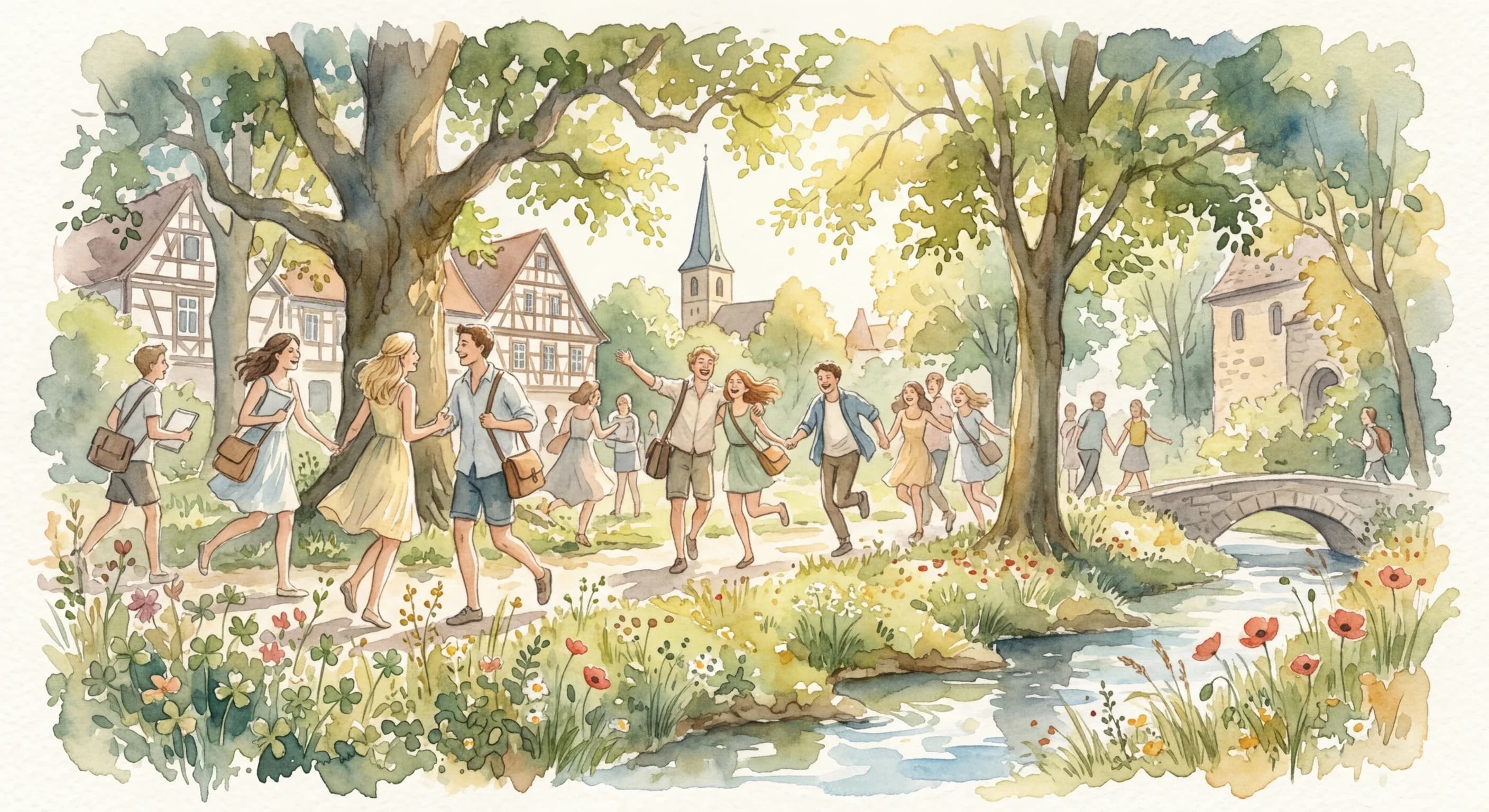
    Artistic representation of Hitzefrei
    German•
    🇦🇹Austria🇩🇪Germany

    Hitzefrei

    /HIT-seh-fry/

    Meaning

    Hitzefrei transcends a mere cancellation; it's the electrifying jolt of unexpected liberation from the oppressive summer heat, particularly for students. It encapsulates the collective gasp of relief and shared euphoria when schools (or sometimes workplaces) declare a 'heat-free' day, granting an impromptu reprieve. This isn't just about escaping discomfort; it's a spontaneous gift of time, a cultural embrace of the summer's bounty, transforming potential misery into an opportunity for communal joy and sun-drenched leisure.

    Literal Translation

    Heat-free

    The Story Behind the Word

    The existence of "Hitzefrei" speaks volumes about German culture's practical approach to well-being and a nuanced appreciation for the seasons. While highly structured and often perceived as rigid, German society also recognizes the limits of human endurance and productivity in extreme conditions. This isn't a sign of 'laziness' but a pragmatic acknowledgment that forcing focused activity in sweltering classrooms or offices is counterproductive and potentially unhealthy. It also reflects a cultural valuing of childhood and the recognition that summer holidays are precious, extending that spirit of freedom even to unseasonably hot school days. It reveals a society that, despite its reputation for discipline, allows for moments of spontaneous, collective reprieve when environmental factors dictate.

    Experience It

    School's Out Early!

    The thermometer in Frau Schmidt's classroom crept past 30 degrees Celsius. Suddenly, the principal's voice crackled over the intercom: "Due to the extreme heat, all classes are dismissed for Hitzefrei!" A roar of cheers erupted as children grabbed their bags, dreaming of ice cream and the local swimming pool.

    Office Hitzefrei Whisper

    The air conditioning in the old office building was struggling, and Herr Müller's shirt was sticking to his back. A rumor started circulating – the boss was considering Hitzefrei for the afternoon. A collective, hopeful buzz filled the room, productivity momentarily forgotten in anticipation of an early escape.

    The Deeper Meaning

    This word subtly highlights a philosophical inclination towards human comfort and well-being over rigid adherence to schedules or productivity at all costs. It acknowledges that environmental factors significantly impact human capacity and that sometimes, the most rational decision is to pause and allow for adaptation, recognizing the intrinsic value of physical comfort and mental reprieve.

    Did You Know?

    There are official regulations in some German states dictating when Hitzefrei can be declared, often tied to specific indoor classroom temperatures (e.g., above 27°C or 28°C) or if the temperature is expected to rise further.

    How It's Used

    Typically used by students and teachers in Germany and Austria to refer to school closures due to high temperatures. It can also be colloquially applied to workplaces that close or allow early dismissal during heatwaves.

    Emotions
    comfort,excitement,joy
    Contexts
    relaxation,seasons,weather,work
    🇦🇹Austria🇩🇪Germany

    by Annelise Dubois·Written Mar 10, 2026·Updated Mar 27, 2026

    Related Words

    Explore more
    HyggeDanish

    Hygge is more than mere coziness; it's a holistic embrace of comfort, warmth, and belonging that nourishes the soul. It describes the intentional creation of an intimate atmosphere where simple pleasures, genuine connection, and mindful presence converge, fostering a profound sense of contentment and well-being. It's about finding joy and peace in the small, everyday moments, often shared with loved ones.

    SaudadePortuguese

    Saudade encapsulates a profound, melancholic longing for something or someone cherished that is absent, often with the bittersweet knowledge that it may never return. It's a deep emotional state tinged with nostalgia, evoking a sense of loss for past experiences, places, or people, yet also holding a tender appreciation for the beauty of what once was. This yearning is not merely sadness, but a complex tapestry of desire, memory, and a poignant acceptance of absence, holding the beloved in a warm, persistent embrace within the heart.

    GezelligDutch

    Gezellig encapsulates a profound sense of warmth, belonging, and convivial comfort, extending beyond mere coziness to embrace the social and emotional atmosphere. It's the feeling of being truly at ease, surrounded by good company, laughter, and a shared sense of contentment. This untranslatable term describes not just a physical space, but a holistic experience where time seems to slow down, fostering genuine connection and a deep sense of well-being.

    Dolce far nienteItalian

    Dolce far niente captures the profound joy and effortless pleasure derived from simply existing without obligation or purpose. It's the art of savoring moments of pure, unadulterated idleness – lying in the sun, watching the clouds drift, or enjoying a leisurely coffee – not as a break from work, but as a valuable state in itself. This 'sweetness of doing nothing' is a conscious embrace of stillness and contentment, allowing the soul to breathe and the senses to fully engage with the present.