U.
HomeRegionsLanguagesEmotionsCollections
Find Your Word

“The limits of my language mean the limits of my world.”

— Ludwig Wittgenstein, Philosopher

Untranslatable

A curated collection of the world's most beautiful expressions—words that remind us language is humanity's greatest invention.

  • Home
  • Collections
  • Regions
  • Countries
  • Emotions
  • Tags
  • Contexts
  • Finder
  • Europe
  • Asia
  • Americas
  • Africa
  • Middle East
  • About
  • Contact
  • Privacy Policy
  • Terms of Service

2026 © Untranslatable. All rights reserved.

    /
    /
    1. Home
    2. /
    3. Europe
    4. /
    5. Innerer Schweinehund
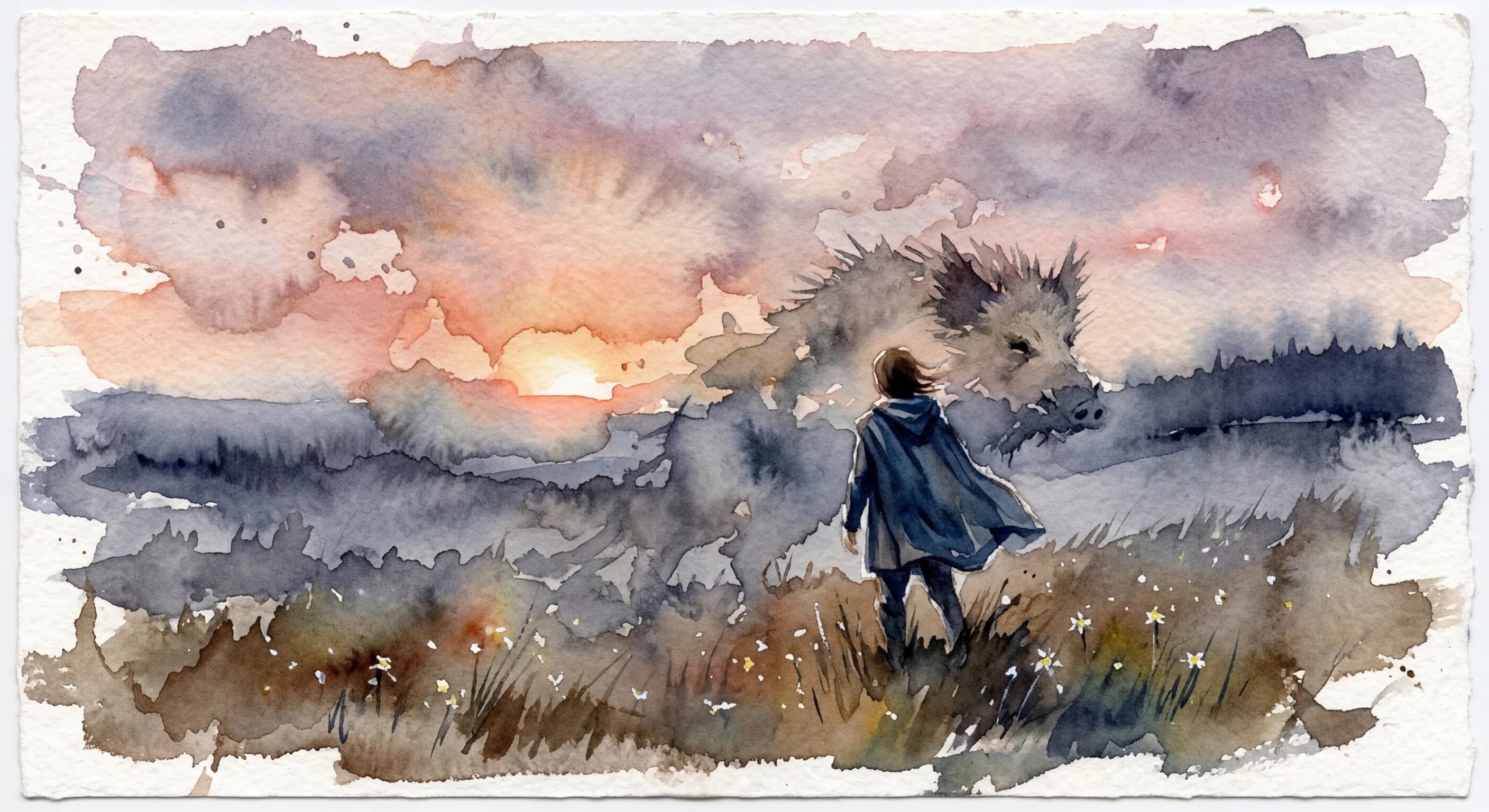
    Artistic representation of Innerer Schweinehund
    German•
    🇦🇹Austria🇩🇪Germany🇨🇭Switzerland

    Innerer Schweinehund

    /INN-er-er SHVY-neh-hoond/

    Meaning

    The "Innerer Schweinehund" is the formidable internal adversary, a vivid personification of one's own procrastination, indolence, and base impulses. It's the insidious voice that whispers temptations to abandon discipline, postpone responsibilities, or succumb to comfort, actively sabotaging personal growth and well-being. This powerful metaphor captures the universal human struggle against one's lesser self, urging individuals to conquer this internal "pig-dog" to achieve self-mastery and realize their goals.

    Literal Translation

    Inner pig-dog

    The Story Behind the Word

    The existence and widespread use of "Innerer Schweinehund" in German culture speaks volumes about the societal value placed on discipline, self-control, and the Protestant work ethic. It reflects a cultural understanding that personal achievement and societal order stem from an individual's ability to overcome their innate weaknesses and base desires. This concept aligns with philosophical currents, from Kantian ethics emphasizing duty and self-mastery to the German ideal of Bildung (self-cultivation). The term acknowledges that this struggle is inherent and often humorous, yet ultimately a crucial battle for character development. It serves as both a self-deprecating excuse and a rallying cry for self-improvement, deeply embedded in the German psyche as a symbol of the constant striving for self-mastery.

    Experience It

    Morning Workout Battle

    It's 6 AM, and the alarm blares. Maria feels the urge to hit snooze and stay wrapped in her warm duvet. "My Innerer Schweinehund is really strong today," she mutters, forcing herself out of bed to go for her planned run, knowing the satisfaction will be worth the initial struggle.

    Project Procrastination

    Thomas has a major report due, but finds himself endlessly scrolling social media. He sighs, realizing his Innerer Schweinehund is trying to convince him to delay. He closes his phone, takes a deep breath, and forces himself to open the document, determined to conquer the urge to procrastinate.

    The Deeper Meaning

    This term encapsulates a profound philosophical insight into human nature: the recognition that self-mastery is not a given, but a continuous internal battle. It highlights the tension between immediate gratification and long-term goals, reflecting an existential understanding that true freedom and self-realization often require overcoming one's own inherent weaknesses. It emphasizes agency and the power of will in shaping one's character and destiny.

    Did You Know?

    The term "Schweinehund" was historically used as a derogatory insult, but its "innerer" prefix transformed it into a self-deprecating, yet motivating, concept for personal growth.

    How It's Used

    Used to describe the internal battle against laziness, procrastination, or temptations that hinder personal goals or discipline. It's often invoked when trying to motivate oneself or explain a failure to stick to a plan.

    Emotions
    anger,resilience
    Contexts
    daily life,health,relaxation,work
    🇦🇹Austria🇩🇪Germany🇨🇭Switzerland

    by Annelise Dubois·Written Mar 10, 2026·Updated Apr 3, 2026

    Related Words

    Explore more
    HyggeDanish

    Hygge is more than mere coziness; it's a holistic embrace of comfort, warmth, and belonging that nourishes the soul. It describes the intentional creation of an intimate atmosphere where simple pleasures, genuine connection, and mindful presence converge, fostering a profound sense of contentment and well-being. It's about finding joy and peace in the small, everyday moments, often shared with loved ones.

    SaudadePortuguese

    Saudade encapsulates a profound, melancholic longing for something or someone cherished that is absent, often with the bittersweet knowledge that it may never return. It's a deep emotional state tinged with nostalgia, evoking a sense of loss for past experiences, places, or people, yet also holding a tender appreciation for the beauty of what once was. This yearning is not merely sadness, but a complex tapestry of desire, memory, and a poignant acceptance of absence, holding the beloved in a warm, persistent embrace within the heart.

    GezelligDutch

    Gezellig encapsulates a profound sense of warmth, belonging, and convivial comfort, extending beyond mere coziness to embrace the social and emotional atmosphere. It's the feeling of being truly at ease, surrounded by good company, laughter, and a shared sense of contentment. This untranslatable term describes not just a physical space, but a holistic experience where time seems to slow down, fostering genuine connection and a deep sense of well-being.

    Dolce far nienteItalian

    Dolce far niente captures the profound joy and effortless pleasure derived from simply existing without obligation or purpose. It's the art of savoring moments of pure, unadulterated idleness – lying in the sun, watching the clouds drift, or enjoying a leisurely coffee – not as a break from work, but as a valuable state in itself. This 'sweetness of doing nothing' is a conscious embrace of stillness and contentment, allowing the soul to breathe and the senses to fully engage with the present.