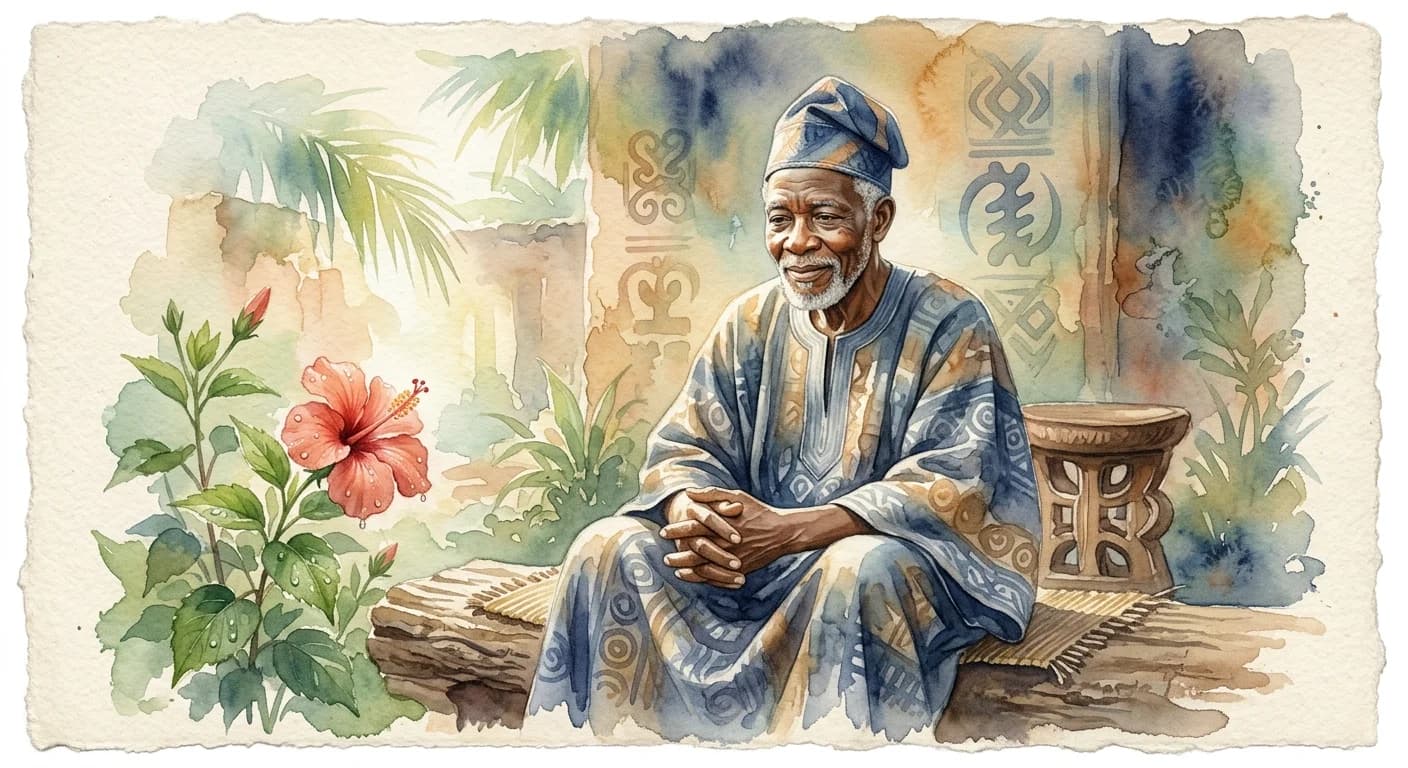
Ọmọlúwàbí
/OH-moh-LOO-wah-bee/
Meaning
Ọmọlúwàbí transcends mere good manners; it embodies the pinnacle of human character within Yoruba philosophy. It describes an individual whose life radiates integrity, humility, and profound respect for societal norms and elders, guided by an innate moral compass. This 'child of noble character' acts with wisdom and responsibility, not out of obligation, but from a deep-seated commitment to fostering communal harmony and upholding the highest ethical standards, serving as a beacon for others and embodying the very best of humanity.
Literal Translation
Child of God, or noble child
The Story Behind the Word
The concept of Ọmọlúwàbí is deeply woven into the fabric of Yoruba society, serving as the bedrock of its ethical and moral framework. It emerged from a communal worldview where individual identity is inextricably linked to collective well-being. The Yoruba believe that a person is not born Ọmọlúwàbí but is sculpted through rigorous training, socialization, and adherence to ancestral wisdom (àṣà). This pursuit reflects a philosophy that values character over material wealth or social status, emphasizing self-control, patience (sùúrù), respect (ìwà pẹ̀lẹ́), and truthfulness (òtító). It reveals a society that sees human potential as inherently good but requiring constant cultivation to contribute positively to the community and honor the legacy of their ancestors, ultimately reflecting the divine order (Olódùmarè).
Experience It
Resolving a Dispute
Two neighbors were locked in a bitter land dispute. Instead of escalating the conflict, one neighbor, known for his Ọmọlúwàbí, calmly suggested they consult community elders for a fair resolution, demonstrating respect for tradition and seeking peace over personal gain.
Exemplary Leadership
A young leader inherited a challenging role. Despite immense pressure, she consistently prioritized the welfare of her people, listened patiently to all perspectives, and made decisions with transparency and fairness, earning her the praise of being a true Ọmọlúwàbí.
The Deeper Meaning
Ọmọlúwàbí reveals a profound Yoruba philosophical outlook where 'character is destiny.' It posits that true human flourishing is not found in individualistic pursuits but in the cultivation of virtues that foster communal harmony and ethical conduct. It emphasizes the interconnectedness of all beings and the responsibility of each person to contribute positively to the moral landscape of society, reflecting a belief that a well-ordered community is a reflection of well-ordered individuals.
Did You Know?
The term Ọmọlúwàbí is often used in traditional Yoruba greetings and appellations, subtly reminding individuals of the moral standards expected of them in every interaction.
How It's Used
Used to describe a person of good character, integrity, and noble upbringing, particularly within the Yoruba culture. It serves as both a compliment and a standard to aspire to, often invoked in discussions about morality, upbringing, and societal values.