U.
HomeRegionsLanguagesEmotionsCollections
Find Your Word

“The limits of my language mean the limits of my world.”

— Ludwig Wittgenstein, Philosopher

Untranslatable

A curated collection of the world's most beautiful expressions—words that remind us language is humanity's greatest invention.

  • Home
  • Collections
  • Regions
  • Countries
  • Emotions
  • Tags
  • Contexts
  • Finder
  • Europe
  • Asia
  • Americas
  • Africa
  • Middle East
  • About
  • Contact
  • Privacy Policy
  • Terms of Service

2026 © Untranslatable. All rights reserved.

    /
    /
    1. Home
    2. /
    3. Middle East
    4. /
    5. Zajal
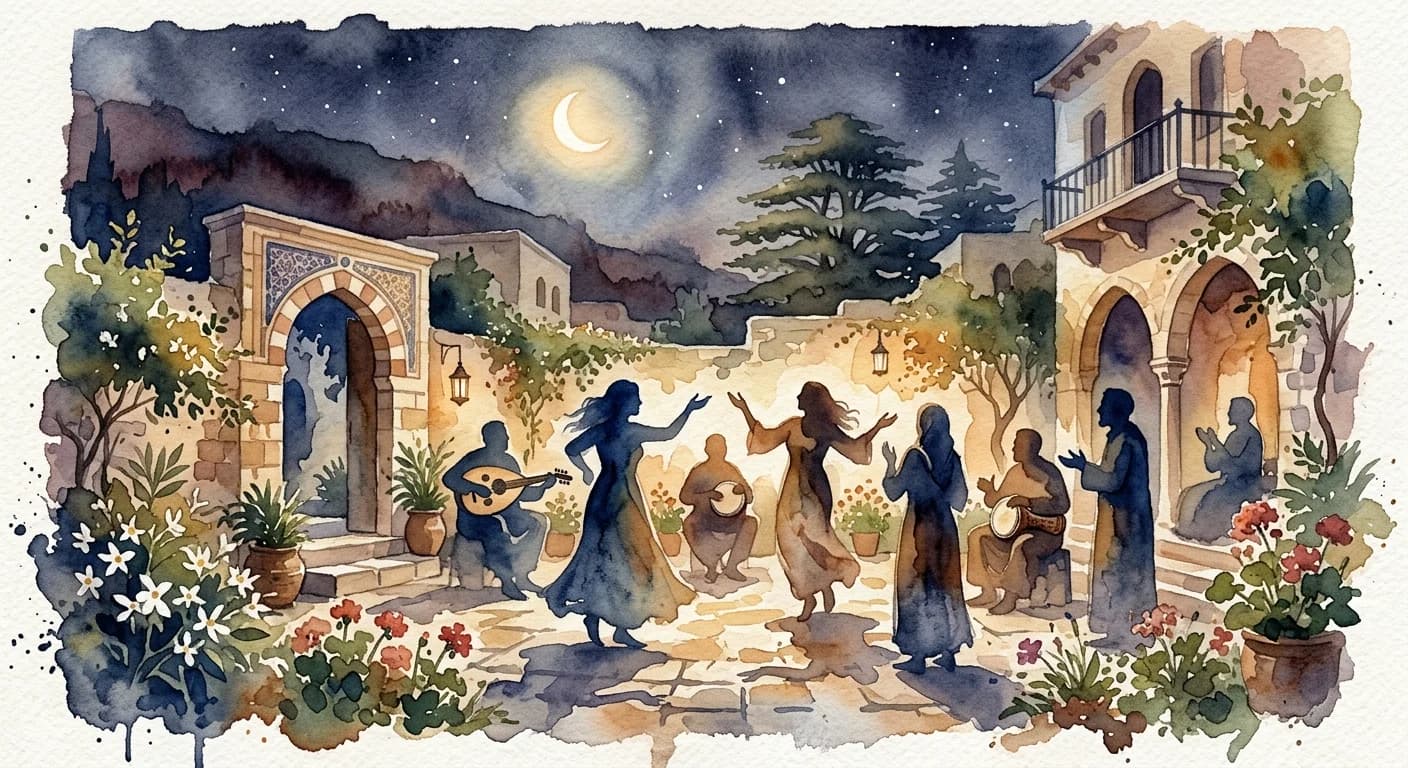
    Artistic representation of Zajal
    Arabic•
    🇪🇬Egypt🇯🇴Jordan🇱🇧Lebanon🇵🇸Palestine🇸🇾Syria

    Zajal

    / zah-JAHL/

    Meaning

    Zajal, more than just "singing poetry," is a deeply embedded form of improvised, colloquial Arabic verse, often performed as a competitive duel between poets. It's a spontaneous lyrical exchange, rich with wit, wordplay, and cultural references, typically accompanied by traditional music. This vibrant art form transforms public gatherings into dynamic arenas where poets engage in a spirited battle of words, demonstrating their mastery of language and their profound connection to shared community narratives and contemporary issues.

    Literal Translation

    Singing poetry

    The Story Behind the Word

    Zajal's roots run deep into the pre-Islamic oral traditions of Arabia, evolving significantly during the Andalusian period where it flourished as a popular poetic form. Its continued prominence in Lebanon and other Levantine countries speaks to a culture that highly values eloquence, quick wit, and the communal sharing of stories and sentiments. Zajal reveals a world view where intellectual agility and verbal artistry are celebrated, where history and current events are processed, debated, and immortalized through poetic verse. It's a living testament to the enduring power of oral tradition in forging social bonds, preserving dialectal intricacies, and providing a platform for both entertainment and subtle social commentary within a collective setting.

    Experience It

    Village Festival Duel

    Under the twinkling lights of a village festival, two renowned Zajal poets stand on a makeshift stage. One poet, with a twinkle in his eye, begins a rhyming couplet teasing the other's hometown. The crowd roars as the second poet, without missing a beat, launches into a clever, witty retort, weaving in local proverbs and historical anecdotes, each line drawing gasps and cheers from the captivated audience.

    Family Gathering Impromptu

    During a lively family gathering after a celebratory meal, an uncle known for his quick mind is playfully challenged to a Zajal. He grins, and soon a cousin joins in, sparking an impromptu, good-natured exchange of rhyming verses about family memories and well-wishes. The rhythmic clapping and laughter fill the room, cementing bonds through shared cultural expression.

    The Deeper Meaning

    Zajal embodies a philosophy where language is not merely a tool for communication, but a living, breathing entity, a performative art form that shapes and reflects collective identity. It underscores the belief that truth, beauty, and social cohesion can be found and forged through the spontaneous, communal act of poetic creation, highlighting the power of shared narrative in understanding the human condition.

    Did You Know?

    While often improvised, Zajal poets undergo extensive training, mastering vast repertoires of classical poetry, proverbs, and rhetorical devices to ensure their spontaneous verses are both complex and culturally resonant.

    How It's Used

    Typically performed in public gatherings, festivals, and social events, often as a competitive exchange between two or more poets.

    Emotions
    belonging,joy,warmth
    Contexts
    celebration,dining,social interaction
    🇪🇬Egypt🇯🇴Jordan🇱🇧Lebanon🇵🇸Palestine🇸🇾Syria

    by Annelise Dubois·Written Mar 10, 2026·Updated Apr 3, 2026

    Related Words

    Explore more
    GezelligDutch

    Gezellig encapsulates a profound sense of warmth, belonging, and convivial comfort, extending beyond mere coziness to embrace the social and emotional atmosphere. It's the feeling of being truly at ease, surrounded by good company, laughter, and a shared sense of contentment. This untranslatable term describes not just a physical space, but a holistic experience where time seems to slow down, fostering genuine connection and a deep sense of well-being.

    SobremesaSpanish

    Sobremesa is the cherished, often extended period immediately following a meal, particularly lunch or dinner, where diners remain seated at the table to enjoy conversation, coffee, and digest not just the food, but the company itself. It’s a dedicated time for unhurried social bonding, storytelling, and shared laughter, transforming a simple meal into a profound communal experience. Far from just clearing the dishes, sobremesa is an integral part of Spanish social life, often lasting for hours.

    JayusIndonesian

    Jayus describes that peculiar moment when a joke is so utterly devoid of humor, so poorly delivered, or so nonsensical that its very ineptitude triggers an involuntary, almost sympathetic burst of laughter. It's not laughter at the joke itself, but rather a reaction to the sheer awkwardness and the unexpected, delightful absurdity of someone failing so spectacularly to be funny. The humor stems from the meta-experience of witnessing a comedic train wreck, transforming discomfort into a shared moment of mirth.

    UbuntuZulu/Xhosa

    Ubuntu is a profound African philosophy that translates to 'I am because we are,' signifying that an individual's humanity is inextricably linked to the humanity of others. It embodies the belief that our existence and well-being are deeply intertwined with the community. This concept emphasizes compassion, reciprocity, dignity, and the understanding that true fulfillment is found not in isolation, but through collective flourishing and mutual support. It's a call to recognize and affirm the humanity in everyone, fostering a sense of interconnectedness.