U.
HomeRegionsLanguagesEmotionsCollections
Find Your Word

“The limits of my language mean the limits of my world.”

— Ludwig Wittgenstein, Philosopher

Untranslatable

A curated collection of the world's most beautiful expressions—words that remind us language is humanity's greatest invention.

  • Home
  • Collections
  • Regions
  • Countries
  • Emotions
  • Tags
  • Contexts
  • Finder
  • Europe
  • Asia
  • Americas
  • Africa
  • Middle East
  • About
  • Contact
  • Privacy Policy
  • Terms of Service

2026 © Untranslatable. All rights reserved.

    /
    /
    1. Home
    2. /
    3. Middle East
    4. /
    5. Gönül
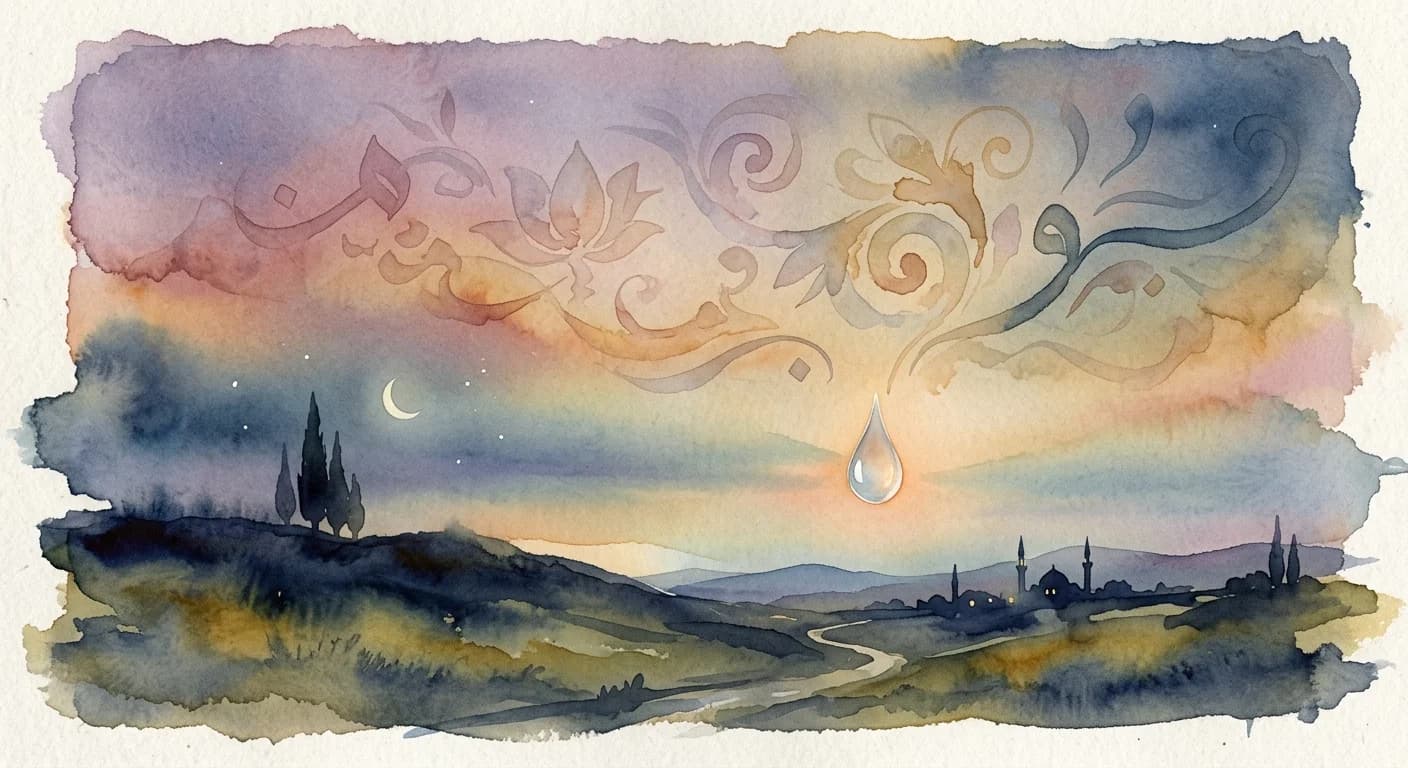
    Artistic representation of Gönül
    Turkish•
    🇦🇿Azerbaijan🇹🇷Turkey

    Gönül

    /GUH-nool/

    Meaning

    Gönül transcends the mere physical heart, serving as the profound spiritual and emotional core of a human being in Turkish culture. It is the seat of one's deepest affections, yearnings, and intuitive wisdom, a wellspring where love, empathy, and spiritual connection converge. This inner sanctuary shapes one's character, guiding actions and relationships with a sense of vulnerability and a profound capacity for both human and divine love. To possess a 'gönül' is to navigate the world with an enriched emotional landscape, perpetually seeking harmony and connection.

    Literal Translation

    Heart (as the seat of emotion/spirit)

    The Story Behind the Word

    The concept of 'gönül' is deeply embedded in Turkish and, more broadly, Sufi Islamic traditions, where the heart (kalb) is considered the locus of spiritual perception and the direct link to the divine. It gained prominence through classical Ottoman poetry (Divan Edebiyatı) and folk music, where 'gönül' became a central motif for expressing both earthly love and mystical longing for God. This word reveals a culture that values emotional depth, spiritual introspection, and the interconnectedness of human experience with a higher truth. It suggests a worldview where true understanding comes not just from the intellect, but from the intuitive wisdom residing within one's 'gönül', emphasizing emotional intelligence and spiritual sensitivity as paramount virtues.

    Experience It

    A Mother's Gönül

    A mother watches her child leave for university, her 'gönül' aching with a bittersweet mix of pride, longing, and concern. She knows her child is growing, but her heart's deepest desires are always for their well-being and happiness, a feeling that transcends mere parental love.

    Poetic Yearning

    The poet sits by the Bosphorus, his 'gönül' moved by the beauty of the sunset and the whispers of history. He feels a profound connection to the moment, a spiritual yearning that inspires him to write verses about the fleeting nature of life and the eternal search for beauty and truth.

    The Deeper Meaning

    The concept of 'gönül' underscores a holistic philosophy where the emotional, spiritual, and intellectual aspects of a person are intrinsically linked and equally vital. It suggests that true wisdom and understanding are not solely products of rational thought but emerge from a cultivated inner sensitivity. This worldview prioritizes empathy, connection, and a perpetual search for meaning beyond the material, positioning the 'gönül' as the compass for an authentic and spiritually rich existence.

    Did You Know?

    The phrase 'gönül yarası' (wound of the gönül) doesn't just mean heartbreak; it implies a deep, often spiritual, emotional scar that affects one's entire inner being.

    How It's Used

    Used to describe the inner self, desires, affections, and spiritual inclinations. It's often invoked in poetic contexts, expressions of love, and discussions about deep emotional states or spiritual connections.

    Emotions
    belonging,longing,love,melancholy,warmth
    Contexts
    family,friendship,romance,solitude
    🇦🇿Azerbaijan🇹🇷Turkey

    by Dr. Kenji Tanaka·Written Mar 10, 2026·Updated Apr 3, 2026

    Related Words

    Explore more
    SaudadePortuguese

    Saudade encapsulates a profound, melancholic longing for something or someone cherished that is absent, often with the bittersweet knowledge that it may never return. It's a deep emotional state tinged with nostalgia, evoking a sense of loss for past experiences, places, or people, yet also holding a tender appreciation for the beauty of what once was. This yearning is not merely sadness, but a complex tapestry of desire, memory, and a poignant acceptance of absence, holding the beloved in a warm, persistent embrace within the heart.

    GezelligDutch

    Gezellig encapsulates a profound sense of warmth, belonging, and convivial comfort, extending beyond mere coziness to embrace the social and emotional atmosphere. It's the feeling of being truly at ease, surrounded by good company, laughter, and a shared sense of contentment. This untranslatable term describes not just a physical space, but a holistic experience where time seems to slow down, fostering genuine connection and a deep sense of well-being.

    SobremesaSpanish

    Sobremesa is the cherished, often extended period immediately following a meal, particularly lunch or dinner, where diners remain seated at the table to enjoy conversation, coffee, and digest not just the food, but the company itself. It’s a dedicated time for unhurried social bonding, storytelling, and shared laughter, transforming a simple meal into a profound communal experience. Far from just clearing the dishes, sobremesa is an integral part of Spanish social life, often lasting for hours.

    MamihlapinatapaiYaghan

    Mamihlapinatapai encapsulates that profound, unspoken moment when two individuals lock eyes, each silently acknowledging a mutual desire or intention, yet both hesitate to be the first to act upon it. It's a delicate dance of anticipation, a shared gaze brimming with common understanding and a quiet longing for the other to break the ice. This intricate look carries the weight of a shared, uninitiated potential, a silent conversation where both parties are perfectly aware of what could happen, but neither makes the first move.