U.
HomeRegionsLanguagesEmotionsCollections
Find Your Word

“The limits of my language mean the limits of my world.”

— Ludwig Wittgenstein, Philosopher

Untranslatable

A curated collection of the world's most beautiful expressions—words that remind us language is humanity's greatest invention.

  • Home
  • Collections
  • Regions
  • Countries
  • Emotions
  • Tags
  • Contexts
  • Finder
  • Europe
  • Asia
  • Americas
  • Africa
  • Middle East
  • About
  • Contact
  • Privacy Policy
  • Terms of Service

2026 © Untranslatable. All rights reserved.

    /
    /
    1. Home
    2. /
    3. Europe
    4. /
    5. Pechvogel
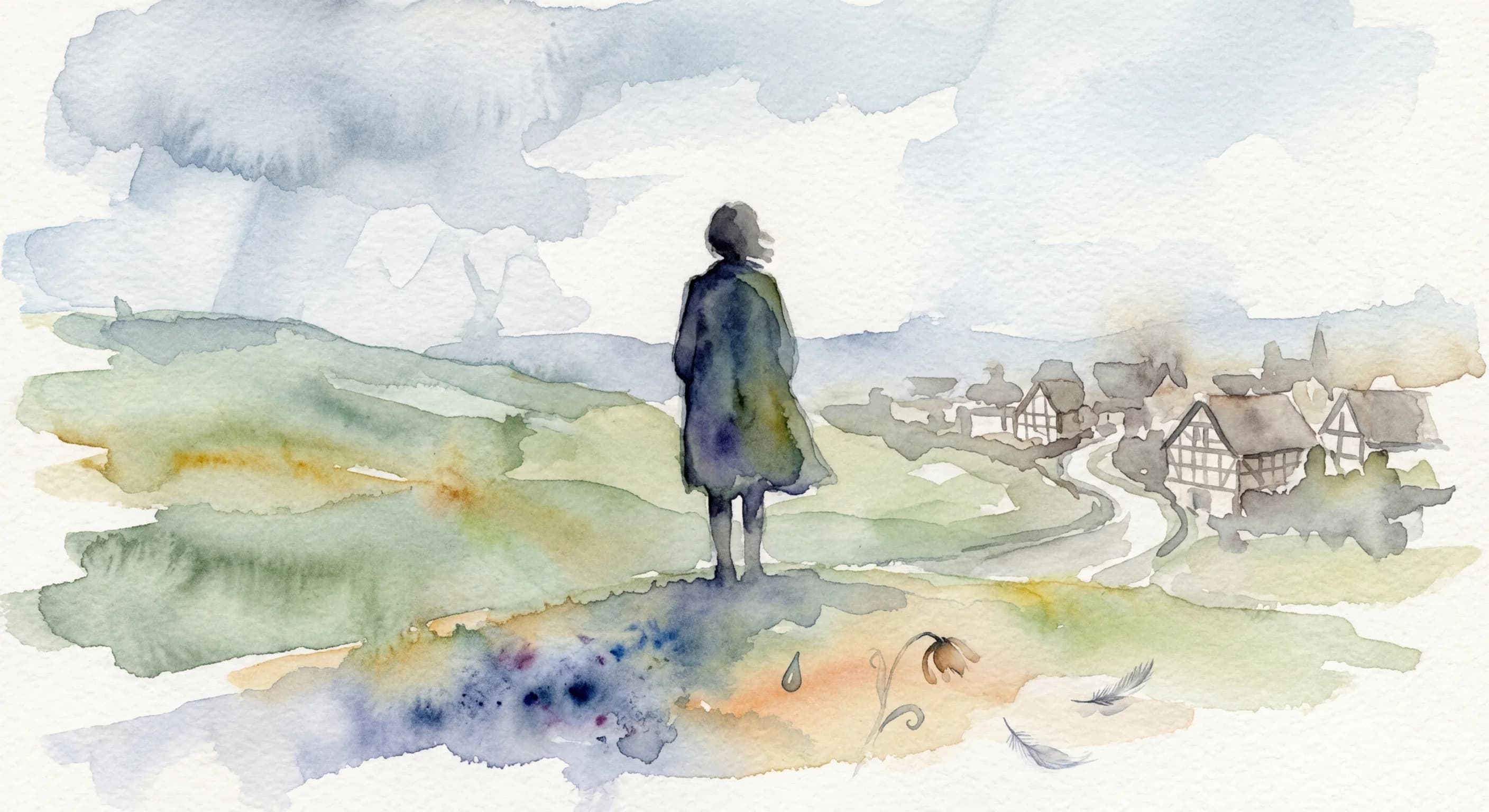
    Artistic representation of Pechvogel
    German•
    🇦🇹Austria🇩🇪Germany🇨🇭Switzerland

    Pechvogel

    /PEKH-foh-gel/

    Meaning

    A 'Pechvogel' describes an individual perpetually shadowed by misfortune, a veritable magnet for bad luck that seems to transcend mere coincidence. It's more than a series of unfortunate events; it's an almost fated, cosmic streak of ill-fortune that follows them through life's every turn. This term embodies a blend of resigned empathy and recognition that, despite their best efforts, some people are simply destined to draw the short straw, experiencing a unique and often comical form of existential struggle.

    Literal Translation

    pitch bird

    The Story Behind the Word

    The concept of the 'Pechvogel' is deeply rooted in German culture's appreciation for precise categorization of human experience, even misfortune. Its origin, literally 'pitch bird,' is often linked to birds trapped in sticky pitch used for hunting, symbolizing an inescapable, messy situation. This term reflects a pragmatic yet slightly fatalistic view common in German thought, where bad luck isn't just random, but can be an almost inherent characteristic. It allows for a collective sigh of understanding and a humorous acceptance of life's arbitrary cruelties, highlighting a cultural tendency to acknowledge and even categorize human suffering, rather than solely striving to overcome it. It also speaks to a society that values order, even in the chaos of bad luck, by giving it a name.

    Experience It

    The Perilous Picnic

    Poor Thomas, a true Pechvogel. He planned a perfect picnic, but just as he laid out the blanket, a rogue gust of wind sent his sandwich flying into a puddle, and then a bird pooped directly onto his only clean shirt.

    Mechanical Mayhem

    Sarah tried to fix her bicycle, only for the wrench to slip and smash her finger, then the chain snapped when she finally got it together. 'Ach, du armer Pechvogel!' her friend exclaimed, shaking her head in sympathetic amusement.

    The Deeper Meaning

    The 'Pechvogel' offers a window into a worldview that accepts the existence of inherent, almost fated, bad luck. It suggests that some aspects of life are beyond individual control, fostering a sense of shared understanding and a touch of dark humor in the face of persistent adversity. It reflects a stoic acceptance that, for some, life is simply an uphill battle against an unseen, unlucky force.

    Did You Know?

    The 'pitch' in 'Pechvogel' refers to birdlime, a sticky substance used to trap birds. So, a 'Pechvogel' is literally a bird stuck in an unfortunate, inescapable situation!

    How It's Used

    Used to describe someone who consistently experiences bad luck, often in a slightly humorous or empathetic way.

    Emotions
    bittersweet,compassion,melancholy
    Contexts
    daily life,social interaction,work
    🇦🇹Austria🇩🇪Germany🇨🇭Switzerland

    by Annelise Dubois·Written Mar 10, 2026·Updated Apr 3, 2026

    Related Words

    Explore more
    HyggeDanish

    Hygge is more than mere coziness; it's a holistic embrace of comfort, warmth, and belonging that nourishes the soul. It describes the intentional creation of an intimate atmosphere where simple pleasures, genuine connection, and mindful presence converge, fostering a profound sense of contentment and well-being. It's about finding joy and peace in the small, everyday moments, often shared with loved ones.

    SaudadePortuguese

    Saudade encapsulates a profound, melancholic longing for something or someone cherished that is absent, often with the bittersweet knowledge that it may never return. It's a deep emotional state tinged with nostalgia, evoking a sense of loss for past experiences, places, or people, yet also holding a tender appreciation for the beauty of what once was. This yearning is not merely sadness, but a complex tapestry of desire, memory, and a poignant acceptance of absence, holding the beloved in a warm, persistent embrace within the heart.

    GezelligDutch

    Gezellig encapsulates a profound sense of warmth, belonging, and convivial comfort, extending beyond mere coziness to embrace the social and emotional atmosphere. It's the feeling of being truly at ease, surrounded by good company, laughter, and a shared sense of contentment. This untranslatable term describes not just a physical space, but a holistic experience where time seems to slow down, fostering genuine connection and a deep sense of well-being.

    Dolce far nienteItalian

    Dolce far niente captures the profound joy and effortless pleasure derived from simply existing without obligation or purpose. It's the art of savoring moments of pure, unadulterated idleness – lying in the sun, watching the clouds drift, or enjoying a leisurely coffee – not as a break from work, but as a valuable state in itself. This 'sweetness of doing nothing' is a conscious embrace of stillness and contentment, allowing the soul to breathe and the senses to fully engage with the present.

    Featured in 1 collection

    🧠Social Intelligence