U.
HomeRegionsLanguagesEmotionsCollections
Find Your Word

“The limits of my language mean the limits of my world.”

— Ludwig Wittgenstein, Philosopher

Untranslatable

A curated collection of the world's most beautiful expressions—words that remind us language is humanity's greatest invention.

  • Home
  • Collections
  • Regions
  • Countries
  • Emotions
  • Tags
  • Contexts
  • Finder
  • Europe
  • Asia
  • Americas
  • Africa
  • Middle East
  • About
  • Contact
  • Privacy Policy
  • Terms of Service

2026 © Untranslatable. All rights reserved.

    /
    /
    1. Home
    2. /
    3. Europe
    4. /
    5. Schmutzfink
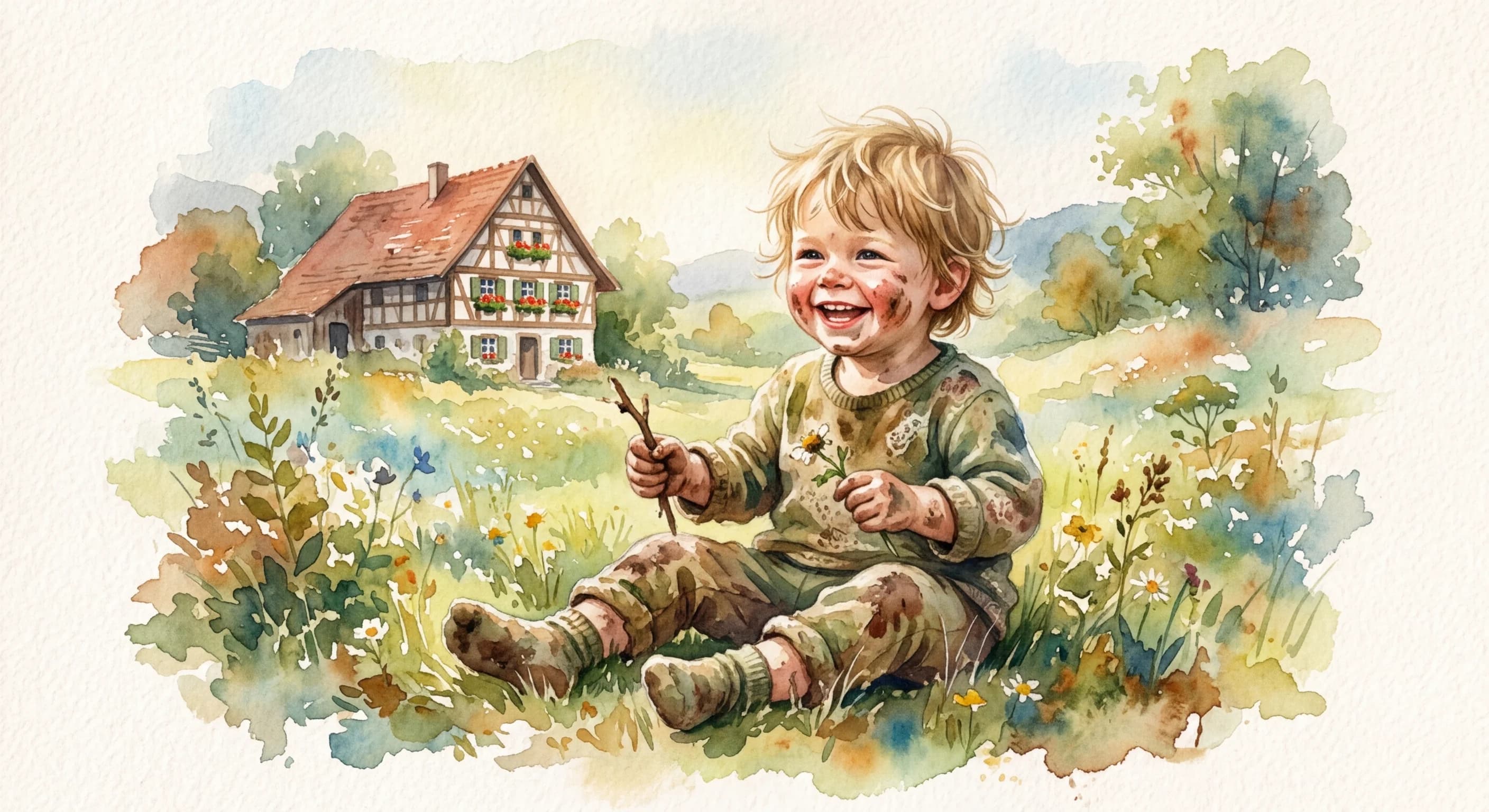
    Artistic representation of Schmutzfink
    German•
    🇦🇹Austria🇩🇪Germany🇨🇭Switzerland

    Schmutzfink

    /SHMOOTZ-fink/

    Meaning

    A "Schmutzfink" is someone, typically a child, who, through exuberant and uninhibited play or creative activity, becomes delightfully and thoroughly dirty. Far from being a criticism, it's an affectionate term that celebrates a child's natural curiosity and immersion in their environment, be it mud puddles, sandboxes, or paint-splattered canvases. It implies a joyful, hands-on engagement with the world, suggesting that the resulting grime is merely a badge of honor from an adventure well-lived, rather than a sign of neglect or slovenliness.

    Literal Translation

    dirt finch

    The Story Behind the Word

    The term "Schmutzfink" reflects a deep-seated German appreciation for nature, childhood, and the importance of experiential learning. Germany has a strong tradition of outdoor education (Waldkindergärten, or 'forest kindergartens,' are common) and a pragmatic acceptance that children learn best by doing, which often involves getting dirty. The word embodies a cultural leniency towards the messiness of childhood, viewing it not as a fault but as an inevitable and even desirable byproduct of healthy development and exploration. It subtly critiques an overly sterile or controlled upbringing, valuing the freedom to get 'hands-on' over pristine cleanliness, and highlights a cultural understanding that true childhood joy often comes with a bit of grime. This perspective aligns with a broader German value of authenticity and a connection to the natural world, rather than artificial perfection.

    Experience It

    Muddy Playground Adventure

    Little Max came home from kindergarten, his overalls caked in mud, hair tangled with twigs, and a triumphant grin on his face. His mother chuckled, 'Na, du kleiner Schmutzfink! Looks like you had a fantastic time today!'

    Artistic Expression

    After an afternoon of finger painting, five-year-old Lena emerged from the art corner, her face streaked with blue and yellow, and her tiny hands covered in a rainbow of hues. Her grandmother smiled warmly, 'Ach, mein kleiner Schmutzfink! Your masterpiece must be truly vibrant!'

    The Deeper Meaning

    The word "Schmutzfink" offers a glimpse into a philosophy that prioritizes robust, uninhibited childhood exploration and sensory engagement over superficial tidiness. It suggests that a certain amount of mess is not just acceptable, but indicative of a child fully experiencing and interacting with their world. This perspective implies a trust in the child's innate drive to discover and learn, recognizing dirt as a byproduct of growth, creativity, and a healthy connection to the environment, rather than something to be strictly avoided.

    Did You Know?

    While "Fink" means finch, the term isn't literally about birds being dirty; it's an endearing, almost whimsical, personification of dirtiness.

    How It's Used

    Used affectionately to describe someone, typically a child, who is prone to getting dirty through play or activity.

    Emotions
    comfort,joy,warmth
    Contexts
    celebration,childhood,family
    🇦🇹Austria🇩🇪Germany🇨🇭Switzerland

    by Sofia Rossi·Written Mar 10, 2026·Updated Apr 3, 2026

    Related Words

    Explore more
    HyggeDanish

    Hygge is more than mere coziness; it's a holistic embrace of comfort, warmth, and belonging that nourishes the soul. It describes the intentional creation of an intimate atmosphere where simple pleasures, genuine connection, and mindful presence converge, fostering a profound sense of contentment and well-being. It's about finding joy and peace in the small, everyday moments, often shared with loved ones.

    SaudadePortuguese

    Saudade encapsulates a profound, melancholic longing for something or someone cherished that is absent, often with the bittersweet knowledge that it may never return. It's a deep emotional state tinged with nostalgia, evoking a sense of loss for past experiences, places, or people, yet also holding a tender appreciation for the beauty of what once was. This yearning is not merely sadness, but a complex tapestry of desire, memory, and a poignant acceptance of absence, holding the beloved in a warm, persistent embrace within the heart.

    GezelligDutch

    Gezellig encapsulates a profound sense of warmth, belonging, and convivial comfort, extending beyond mere coziness to embrace the social and emotional atmosphere. It's the feeling of being truly at ease, surrounded by good company, laughter, and a shared sense of contentment. This untranslatable term describes not just a physical space, but a holistic experience where time seems to slow down, fostering genuine connection and a deep sense of well-being.

    Dolce far nienteItalian

    Dolce far niente captures the profound joy and effortless pleasure derived from simply existing without obligation or purpose. It's the art of savoring moments of pure, unadulterated idleness – lying in the sun, watching the clouds drift, or enjoying a leisurely coffee – not as a break from work, but as a valuable state in itself. This 'sweetness of doing nothing' is a conscious embrace of stillness and contentment, allowing the soul to breathe and the senses to fully engage with the present.