Pochemuchka
/po-che-MOOCH-ka/
Meaning
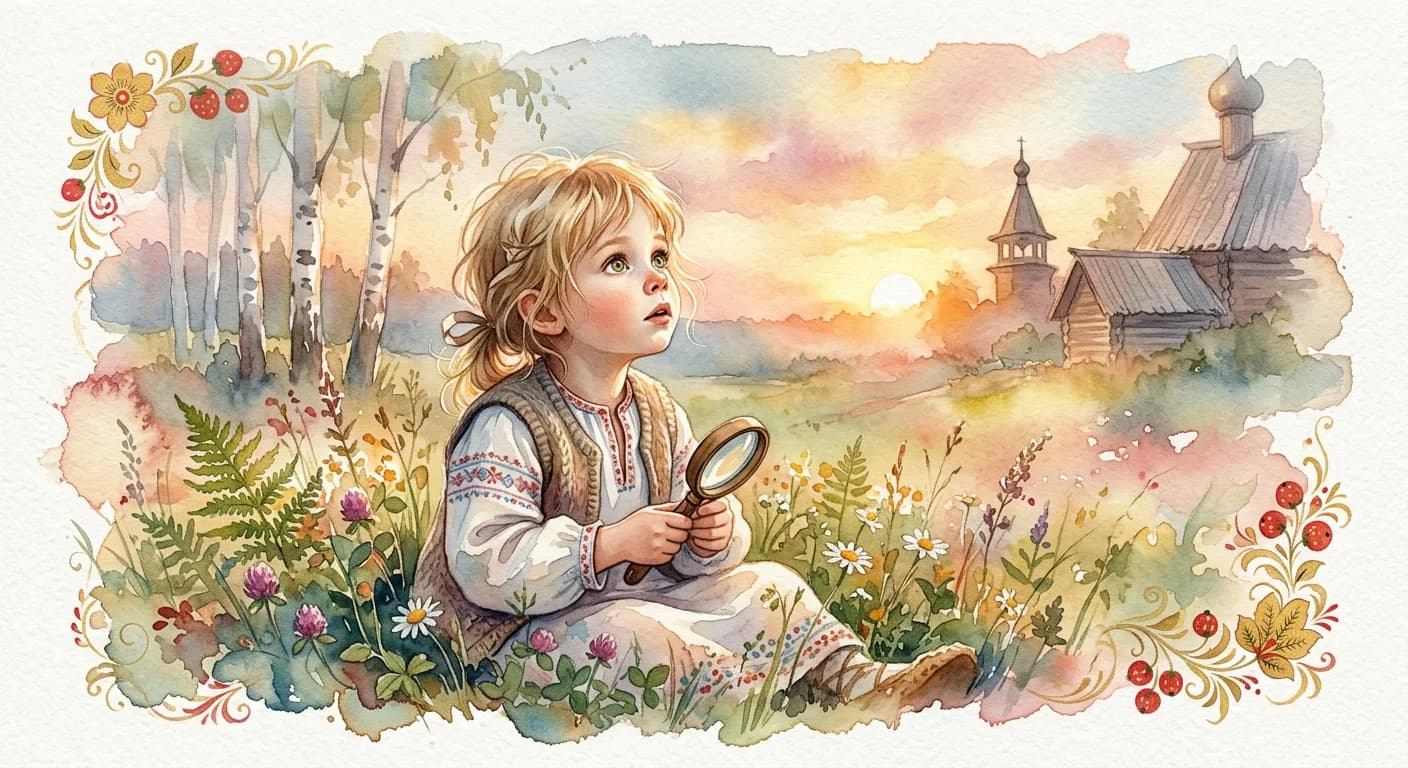
A 'pochemuchka' is more than just a question-asker; it's a vibrant descriptor for a person, typically a child, whose insatiable curiosity manifests as an endless barrage of 'why?' questions. This term affectionately acknowledges the relentless, sometimes overwhelming, intellectual energy of a young mind actively constructing its understanding of the world. Far from a criticism, it celebrates the innate human drive to delve into the fundamental reasons behind phenomena, embodying a profound sense of wonder and the earnest pursuit of knowledge, even when it tests the patience of those trying to provide answers.
Literal Translation
from 'pochemu' (почему) meaning 'why'
The Story Behind the Word
The existence and affectionate usage of 'pochemuchka' in Russian culture speaks volumes about the value placed on intellectual curiosity, particularly in childhood. While the relentless questioning can be playfully exasperating, the term itself is imbued with a warmth that suggests a societal appreciation for an inquiring mind. It reflects a cultural understanding that the 'why' is often more important than the 'what,' fostering a mindset that encourages deep thought and the exploration of underlying principles. This word reveals a cultural patience and even admiration for the developmental stage where children are actively building their worldview through persistent inquiry, seeing it as a sign of intelligence and engagement rather than mere childishness. It highlights a philosophical inclination towards seeking explanations and understanding the interconnectedness of things.
Experience It
Breakfast Inquiry
Little Anya, a true pochemuchka, sat at the breakfast table, poking at her porridge. "Mama, why is the sky blue? And why do we eat porridge for breakfast, but not for dinner? Why does the spoon make a clinking sound?" Her mother smiled, knowing the morning routine of answering an endless stream of earnest questions.
The Adult Pochemuchka
During the team meeting, Pavel, a senior engineer, kept interjecting with 'But why are we doing it this way? Why not consider the alternative? Why is that the default assumption?' His colleagues, though sometimes exasperated, knew his pochemuchka tendencies often led to uncovering crucial flaws or innovative solutions.
The Deeper Meaning
The word 'pochemuchka' underscores a deep-seated Russian philosophical inclination towards questioning and seeking fundamental truths. It reflects a cultural value that doesn't just tolerate, but often cherishes, the relentless pursuit of understanding the 'why' of existence. This perspective suggests a worldview where intellectual engagement and the active construction of knowledge are seen as vital, even if the journey involves challenging established norms or exhausting those providing answers, ultimately leading to deeper insights.
Did You Know?
The word 'pochemuchka' is so intrinsically linked to childhood curiosity that it often appears in Russian children's literature and educational materials, sometimes even as a character name!
How It's Used
Used to describe a person, typically a child, who constantly asks 'why?'.