U.
HomeRegionsLanguagesEmotionsCollections
Find Your Word

“The limits of my language mean the limits of my world.”

— Ludwig Wittgenstein, Philosopher

Untranslatable

A curated collection of the world's most beautiful expressions—words that remind us language is humanity's greatest invention.

  • Home
  • Collections
  • Regions
  • Countries
  • Emotions
  • Tags
  • Contexts
  • Finder
  • Europe
  • Asia
  • Americas
  • Africa
  • Middle East
  • About
  • Contact
  • Privacy Policy
  • Terms of Service

2026 © Untranslatable. All rights reserved.

    /
    /
    1. Home
    2. /
    3. Europe
    4. /
    5. Prozvonit
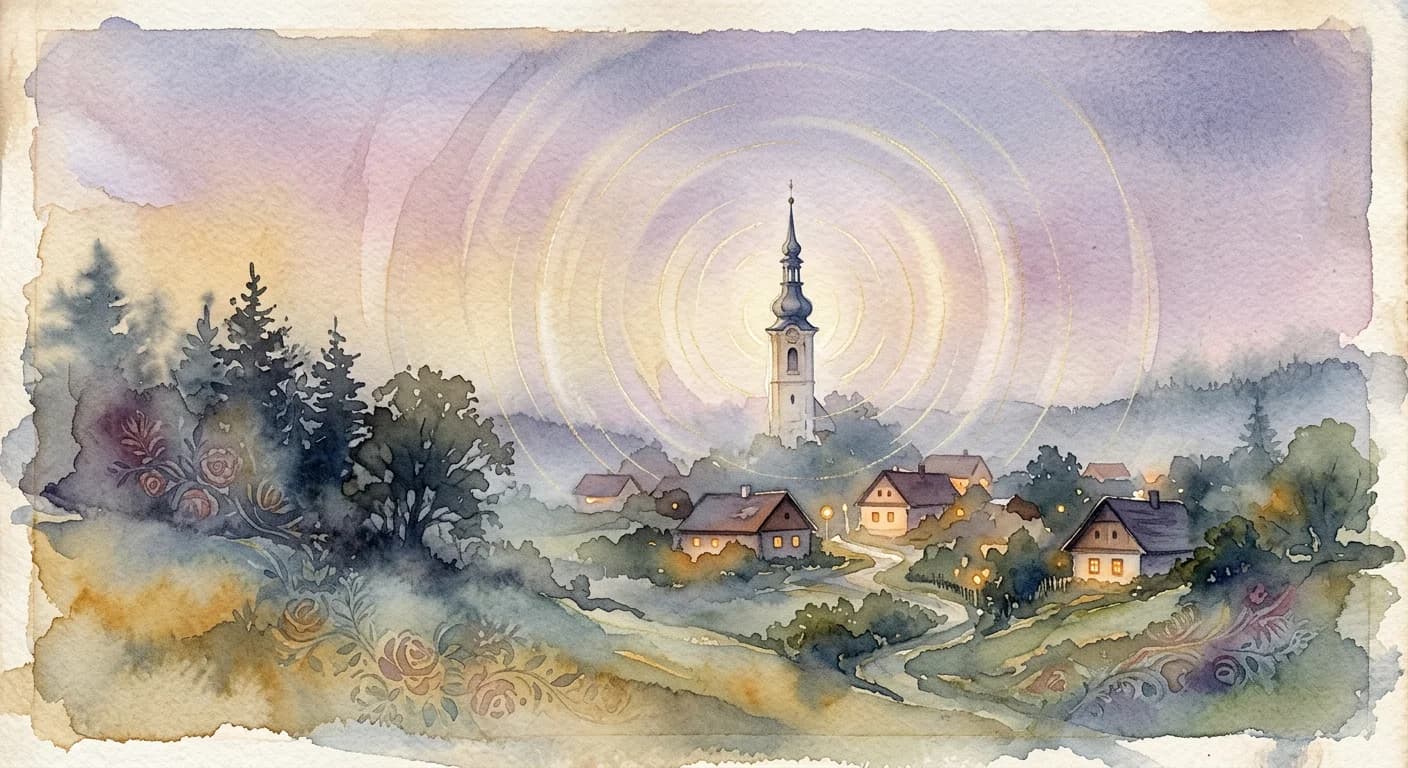
    Artistic representation of Prozvonit
    Czech•
    🇨🇿Czech Republic🇸🇰Slovakia

    Prozvonit

    /PROHZ-voh-nit/

    Meaning

    Prozvonit is more than just ringing a bell; it's the solemn, deliberate act of sounding a church bell to communicate profound community news, most notably a death. This resonant signal cuts through the daily hum, instantly shifting the village's collective consciousness. It serves as a communal alarm and a call to shared reflection, weaving the sacred into the fabric of everyday life and uniting people in moments of sorrow or significant communal happenings. The sound itself carries the weight of generations, a tangible link to shared history and emotion.

    Literal Translation

    To ring (a bell)

    The Story Behind the Word

    The word "prozvonit" is deeply rooted in the historical and social structure of Central European villages, where the church bell was the primary, often only, means of mass communication. Before modern technology, the bell's distinct rhythm and cadence conveyed specific messages across fields and homes. Its existence reveals a culture that valued communal awareness and collective participation in life's most significant events, especially death. The act of "prozvonit" underscores a worldview where individual milestones are inextricably linked to the community's experience, and where spiritual institutions played a central, integrating role in daily life. It reflects a society where grief or major news was not privatized but shared, publicly acknowledged, and processed collectively, reinforcing social cohesion and mutual support.

    Experience It

    A Village Mourns

    The rhythmic, mournful tolls of the church bell began just after dawn. Old Karel, the bell ringer, had just learned of the passing of the village's beloved teacher, Mrs. Nováková. The sound of 'prozvonit' spread through every home, bringing a hush to breakfast tables and a collective sigh of sorrow across the valley.

    A New Beginning

    A different, joyful peal of the bells echoed through the square, announcing the christening of the first child born in the village in over a year. The 'prozvonit' for this happy occasion drew families from their homes, eager to witness the blessing and share in the community's renewed hope.

    The Deeper Meaning

    This word highlights a profound connection between sound, community, and the sacred. It reveals a philosophy where significant life events, particularly death, are not merely personal but communal markers, publicly acknowledged and integrated into the collective consciousness through a sensory, spiritual medium. It speaks to a world where shared experience and collective memory are actively fostered and maintained through ritualized soundscapes.

    Did You Know?

    Historically, the specific pattern and number of bell strikes when 'prozvonit' could even indicate the deceased's gender or age, adding another layer of coded communication to the communal signal.

    How It's Used

    Used to describe the action of ringing church bells for specific announcements, particularly funerals.

    Emotions
    belonging,melancholy,nostalgia
    Contexts
    celebration,community,farewell
    🇨🇿Czech Republic🇸🇰Slovakia

    by Anya Petrova·Written Mar 14, 2026·Updated Apr 3, 2026

    Related Words

    Explore more
    HyggeDanish

    Hygge is more than mere coziness; it's a holistic embrace of comfort, warmth, and belonging that nourishes the soul. It describes the intentional creation of an intimate atmosphere where simple pleasures, genuine connection, and mindful presence converge, fostering a profound sense of contentment and well-being. It's about finding joy and peace in the small, everyday moments, often shared with loved ones.

    SaudadePortuguese

    Saudade encapsulates a profound, melancholic longing for something or someone cherished that is absent, often with the bittersweet knowledge that it may never return. It's a deep emotional state tinged with nostalgia, evoking a sense of loss for past experiences, places, or people, yet also holding a tender appreciation for the beauty of what once was. This yearning is not merely sadness, but a complex tapestry of desire, memory, and a poignant acceptance of absence, holding the beloved in a warm, persistent embrace within the heart.

    GezelligDutch

    Gezellig encapsulates a profound sense of warmth, belonging, and convivial comfort, extending beyond mere coziness to embrace the social and emotional atmosphere. It's the feeling of being truly at ease, surrounded by good company, laughter, and a shared sense of contentment. This untranslatable term describes not just a physical space, but a holistic experience where time seems to slow down, fostering genuine connection and a deep sense of well-being.

    Dolce far nienteItalian

    Dolce far niente captures the profound joy and effortless pleasure derived from simply existing without obligation or purpose. It's the art of savoring moments of pure, unadulterated idleness – lying in the sun, watching the clouds drift, or enjoying a leisurely coffee – not as a break from work, but as a valuable state in itself. This 'sweetness of doing nothing' is a conscious embrace of stillness and contentment, allowing the soul to breathe and the senses to fully engage with the present.