Toska
/TOS-kuh/
Meaning
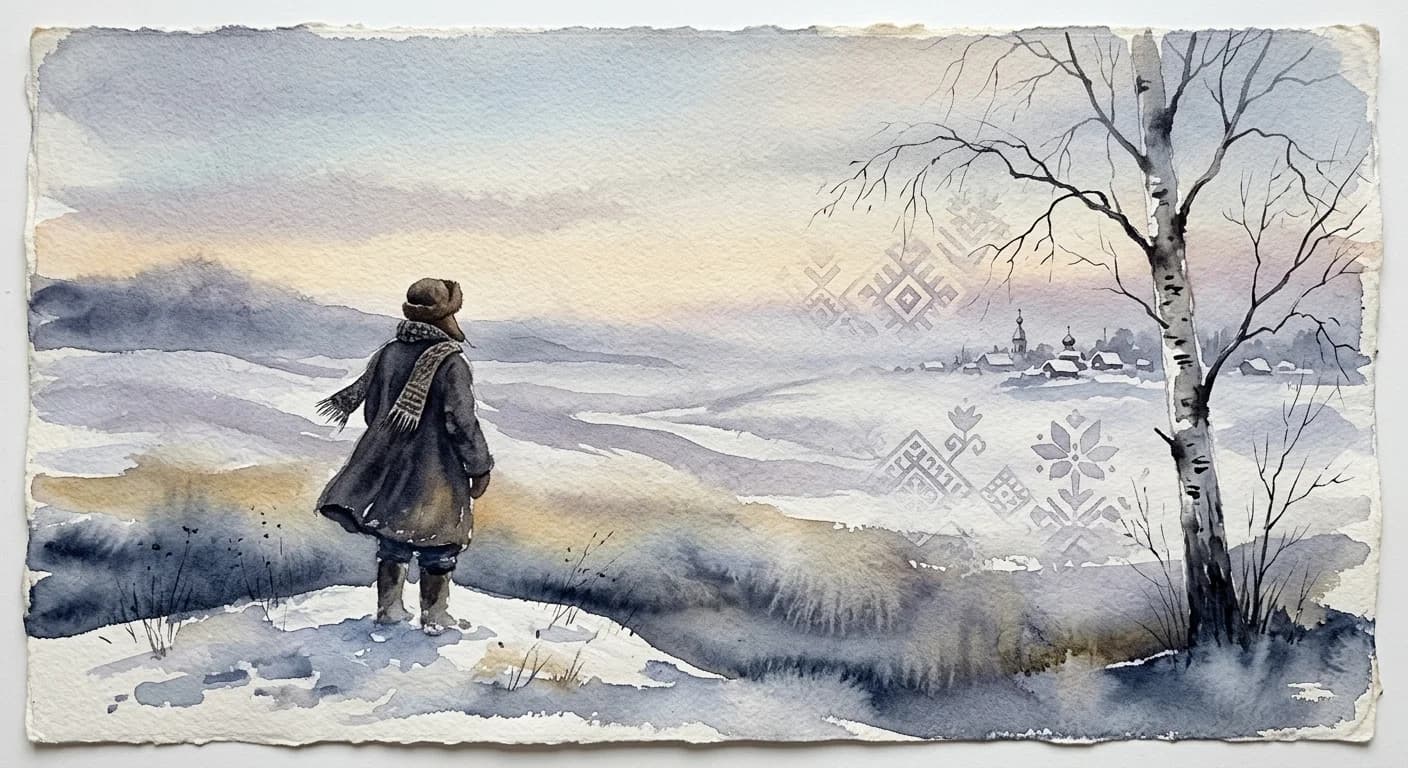
Toska is a profound and often pervasive spiritual anguish, a deep ache of the soul that transcends mere sadness or melancholia. It's an existential yearning for something indefinable or lost, a gnawing emptiness that can manifest as boredom, restlessness, or a poignant longing for an idealized past or future. This emotional state permeates one's being, a melancholic resonance with the perceived futility or beauty of existence itself.
Literal Translation
ache, pang, longing
The Story Behind the Word
The concept of "toska" is deeply embedded in the Russian psyche and literary tradition, reflecting a historical experience marked by vast landscapes, periods of isolation, and a philosophical bent towards introspection and the search for meaning. It's not merely a negative emotion but often seen as a catalyst for artistic expression, spiritual reflection, and a deeper understanding of the human condition. Russian literature, from Dostoevsky to Chekhov, is steeped in characters grappling with toska, portraying it as an almost noble suffering that connects individuals to a shared national soul. This word reveals a culture that embraces and even romanticizes profound emotional states, viewing them as integral to a rich inner life rather than something to be suppressed or merely overcome.
Experience It
A Quiet Evening's Ache
Sitting by the window as dusk falls, Anya feels a familiar, heavy quietude settle over her. It's not sadness over a specific event, but a deep, unnamable longing, an ache for something just beyond her grasp, a profound sense of the world's beauty and her own small place within it. This is her toska.
The Artist's Muse
Ivan, a struggling poet, often finds inspiration in his bouts of toska. He paces his small apartment, feeling an overwhelming sense of restlessness and a yearning for an ideal he can't articulate. This profound spiritual anguish fuels his most poignant verses, giving voice to an otherwise inexpressible pain.
The Deeper Meaning
Toska reveals a worldview that values deep emotional and spiritual introspection, often seeing profound suffering not as a flaw, but as an inherent part of the human experience and a path to deeper understanding. It suggests a comfort with existential questioning and a recognition that life's most profound truths often lie in its unanswerable mysteries and its most acute emotional states.
Did You Know?
Vladimir Nabokov, a Russian-American novelist, famously described toska as 'a sensation of great spiritual anguish, often without any specific cause.'
How It's Used
It is used to describe a deep, often inexplicable feeling of sadness, melancholy, or longing.