U.
HomeRegionsLanguagesEmotionsCollections
Find Your Word

“The limits of my language mean the limits of my world.”

— Ludwig Wittgenstein, Philosopher

Untranslatable

A curated collection of the world's most beautiful expressions—words that remind us language is humanity's greatest invention.

  • Home
  • Collections
  • Regions
  • Countries
  • Emotions
  • Tags
  • Contexts
  • Finder
  • Europe
  • Asia
  • Americas
  • Africa
  • Middle East
  • About
  • Contact
  • Privacy Policy
  • Terms of Service

2026 © Untranslatable. All rights reserved.

    /
    /
    1. Home
    2. /
    3. Europe
    4. /
    5. Verschlimmbessern
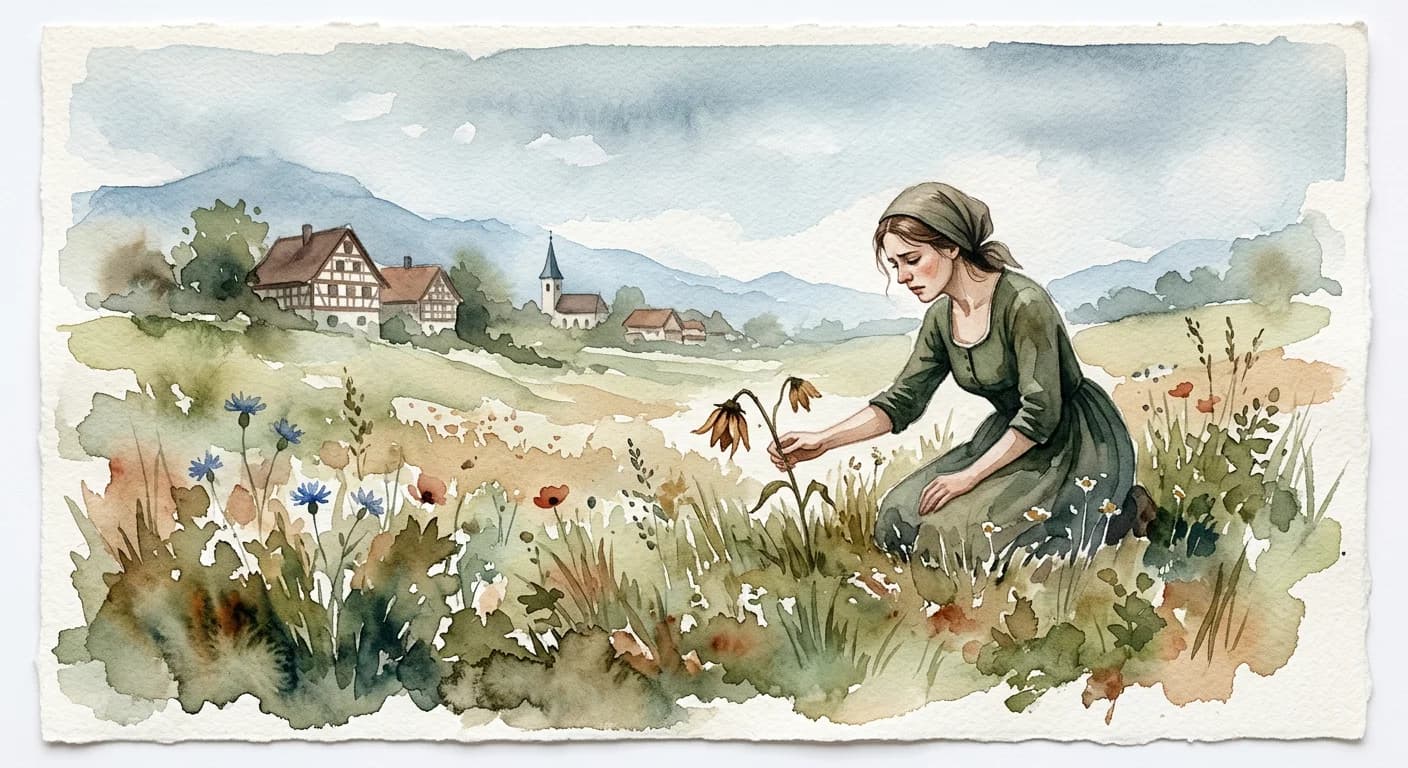
    Artistic representation of Verschlimmbessern
    German•
    🇦🇹Austria🇩🇪Germany🇨🇭Switzerland

    Verschlimmbessern

    /FAIR-shlim-BESS-ern/

    Meaning

    This German compound word vividly captures the exasperating phenomenon of attempting to improve a situation, only to inadvertently render it significantly worse through one's well-intentioned but ultimately misguided efforts. It encapsulates the bitter irony and self-reproach experienced when a desire for betterment leads to an outcome more regrettable than the original state. It's the linguistic embodiment of 'the road to hell is paved with good intentions,' highlighting the often-unforeseen negative consequences of meddling, no matter how noble the initial impulse.

    Literal Translation

    worsen-improve

    The Story Behind the Word

    The existence and common usage of "Verschlimmbessern" in German culture speaks to a deep-seated appreciation for precision, thoroughness, and a healthy skepticism towards overly eager intervention. German engineering and craftsmanship are renowned for their meticulousness, and this word reflects a cultural understanding that hasty or ill-considered alterations often lead to decline rather than progress. It’s a subtle warning against amateurism and overconfidence, suggesting that true improvement requires careful planning, expertise, and a sober assessment of potential risks. The word also hints at a certain fatalism or resignation to the fact that not all problems have simple solutions, and sometimes, the best course of action is no action at all. It underscores a cultural value placed on stability and avoiding unnecessary disruption.

    Experience It

    DIY Shelf Disaster

    Franz decided to 'improve' his wobbly bookshelf by adding more screws, but misjudged the wood's thickness. Now, not only is the shelf still wobbly, but it also has unsightly cracks and splinters. He truly verschlimmbessert it.

    Software Update Fiasco

    The IT department released a patch to 'optimize' the company's accounting software. Instead, it introduced a new bug that crashes the system every time a report is generated, making the previous minor glitches seem trivial. They definitely verschlimmbessert the entire workflow.

    The Deeper Meaning

    This word reveals a philosophical undercurrent in German thought that acknowledges the inherent complexity of systems and the unpredictability of human intervention. It serves as a linguistic reminder that intentions, however good, do not guarantee positive outcomes. It nudges towards a cautious pragmatism, advocating for a thorough understanding of a problem before attempting a solution, and implicitly questioning the hubris of believing every situation can be 'fixed' without potential for worse consequences.

    Did You Know?

    While often used colloquially, "Verschlimmbessern" is a perfectly valid and recognized word in German dictionaries, demonstrating its established place in the language.

    How It's Used

    Used to describe situations where an attempt to fix or improve something inadvertently makes it worse. This can range from minor domestic mishaps to larger, more complex errors in judgment or execution.

    Emotions
    anger,melancholy
    Contexts
    daily life,home,work
    🇦🇹Austria🇩🇪Germany🇨🇭Switzerland

    by Anya Petrova·Written Mar 14, 2026·Updated Apr 3, 2026

    Related Words

    Explore more
    HyggeDanish

    Hygge is more than mere coziness; it's a holistic embrace of comfort, warmth, and belonging that nourishes the soul. It describes the intentional creation of an intimate atmosphere where simple pleasures, genuine connection, and mindful presence converge, fostering a profound sense of contentment and well-being. It's about finding joy and peace in the small, everyday moments, often shared with loved ones.

    SaudadePortuguese

    Saudade encapsulates a profound, melancholic longing for something or someone cherished that is absent, often with the bittersweet knowledge that it may never return. It's a deep emotional state tinged with nostalgia, evoking a sense of loss for past experiences, places, or people, yet also holding a tender appreciation for the beauty of what once was. This yearning is not merely sadness, but a complex tapestry of desire, memory, and a poignant acceptance of absence, holding the beloved in a warm, persistent embrace within the heart.

    GezelligDutch

    Gezellig encapsulates a profound sense of warmth, belonging, and convivial comfort, extending beyond mere coziness to embrace the social and emotional atmosphere. It's the feeling of being truly at ease, surrounded by good company, laughter, and a shared sense of contentment. This untranslatable term describes not just a physical space, but a holistic experience where time seems to slow down, fostering genuine connection and a deep sense of well-being.

    Dolce far nienteItalian

    Dolce far niente captures the profound joy and effortless pleasure derived from simply existing without obligation or purpose. It's the art of savoring moments of pure, unadulterated idleness – lying in the sun, watching the clouds drift, or enjoying a leisurely coffee – not as a break from work, but as a valuable state in itself. This 'sweetness of doing nothing' is a conscious embrace of stillness and contentment, allowing the soul to breathe and the senses to fully engage with the present.