U.
HomeRegionsLanguagesEmotionsCollections
Find Your Word

“The limits of my language mean the limits of my world.”

— Ludwig Wittgenstein, Philosopher

Untranslatable

A curated collection of the world's most beautiful expressions—words that remind us language is humanity's greatest invention.

  • Home
  • Collections
  • Regions
  • Countries
  • Emotions
  • Tags
  • Contexts
  • Finder
  • Europe
  • Asia
  • Americas
  • Africa
  • Middle East
  • About
  • Contact
  • Privacy Policy
  • Terms of Service

2026 © Untranslatable. All rights reserved.

    /
    /
    1. Home
    2. /
    3. Europe
    4. /
    5. Trasnochar
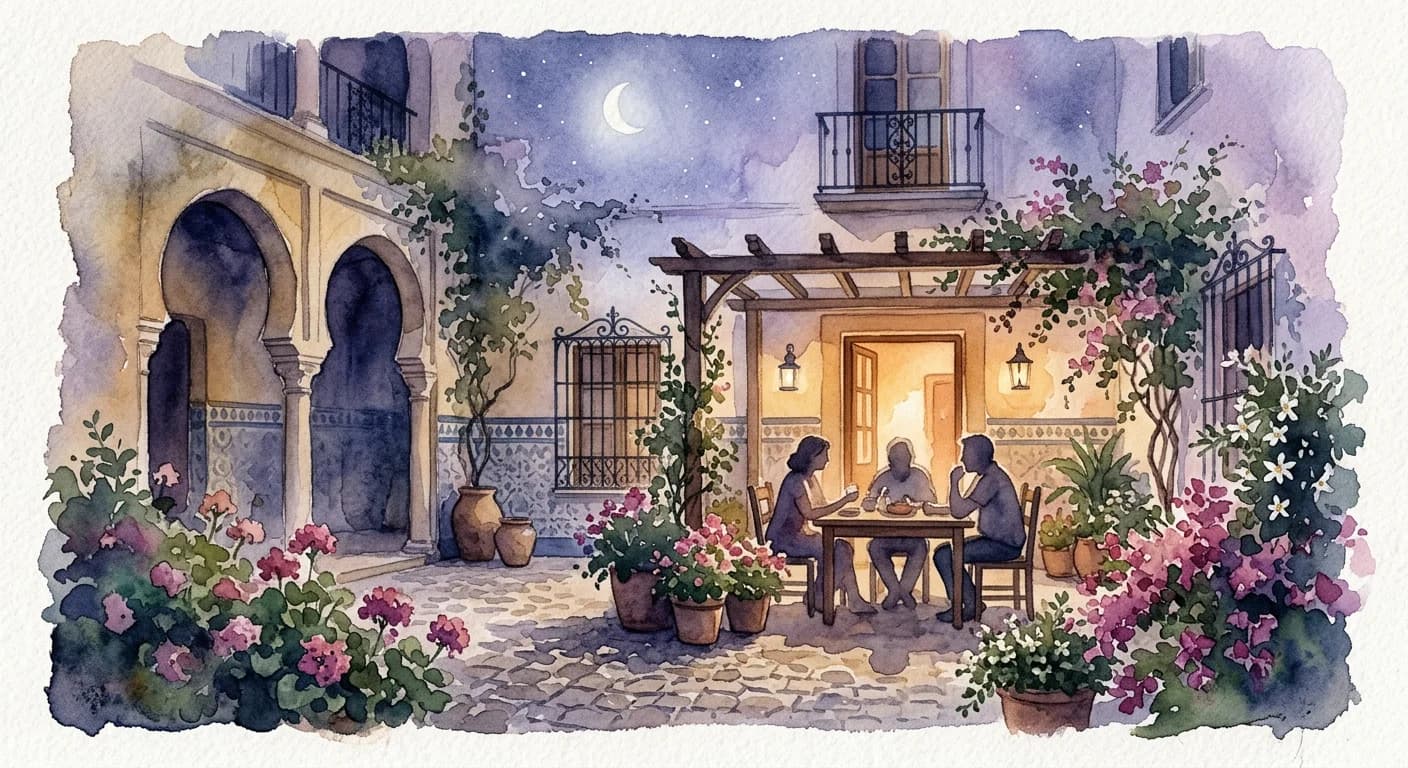
    Artistic representation of Trasnochar
    Spanish•
    🇦🇷Argentina🇧🇴Bolivia🇨🇱Chile🇨🇴Colombia🇨🇷Costa Rica🇨🇺Cuba🇩🇴Dominican Republic🇪🇨Ecuador🇸🇻El Salvador🇬🇹Guatemala🇭🇳Honduras🇲🇽Mexico🇳🇮Nicaragua🇵🇦Panama🇵🇾Paraguay🇵🇪Peru🇵🇷Puerto Rico🇪🇸Spain🇺🇾Uruguay🇻🇪Venezuela

    Trasnochar

    /trahs-noh-CHAR/

    Meaning

    To "trasnochar" is to deliberately defy the nocturnal call to sleep, extending one's day into the deep hours of the night. It's a conscious choice to embrace the quietude, the vibrant social scene, or the focused intensity that only the late hours can offer, often for enjoyment, deep conversation, study, or revelry. Far more than mere sleeplessness, it embodies a cultural appreciation for maximizing time and experience, forging unique moments under the cloak of night.

    Literal Translation

    trans- (across) + nochar (to be nocturnal/night-like)

    The Story Behind the Word

    The concept of "trasnochar" is deeply woven into the fabric of Spanish culture, particularly in its vibrant social life and historical patterns. Spain's later meal times and evening social activities naturally push the daily rhythm further into the night. This isn't just about partying; it reflects a valuing of communal connection and personal pursuits that often thrive beyond conventional hours. Historically, the cooler night air provided respite from the Iberian heat, making evening gatherings and work more appealing. "Trasnochar" speaks to a cultural embrace of the night as a time for living, not just resting, fostering a sense of shared experience and extended leisure that contrasts with more rigid daytime schedules.

    Experience It

    Festival Night Out

    After the last concert ended at 2 AM, a group of friends decided to trasnochar, hopping between tapas bars and chatting animatedly until the sun began to peek over the horizon, savoring every moment of the city's nocturnal pulse.

    Deep Study Session

    Facing a crucial exam, María chose to trasnochar, finding the silent hours between midnight and dawn to be the most productive. With only her books and a strong coffee, she delved deep into her studies, emerging tired but accomplished as morning broke.

    The Deeper Meaning

    This word reveals a cultural philosophy that sees time not merely as a finite resource to be conserved through early sleep, but as an experience to be savored and extended. It suggests an appreciation for the unique atmosphere and opportunities the night offers, fostering a sense of carpe diem that transcends the conventional boundaries of day and night, embracing a fuller, more unhurried pace of life.

    Did You Know?

    Many Spanish cities, especially during festivals, are designed for 'trasnochar,' with public transport often running all night to accommodate the late-night revelers.

    How It's Used

    Used when someone intentionally stays awake past their usual bedtime, often for social gatherings, intense work or study sessions, or personal activities that extend into the early morning hours.

    Emotions
    belonging,hope,joy,warmth
    Contexts
    celebration,friendship,relaxation,work
    🇦🇷Argentina🇧🇴Bolivia🇨🇱Chile🇨🇴Colombia🇨🇷Costa Rica🇨🇺Cuba🇩🇴Dominican Republic🇪🇨Ecuador🇸🇻El Salvador🇬🇹Guatemala🇭🇳Honduras🇲🇽Mexico🇳🇮Nicaragua🇵🇦Panama🇵🇾Paraguay🇵🇪Peru🇵🇷Puerto Rico🇪🇸Spain🇺🇾Uruguay🇻🇪Venezuela

    by Sofia Rossi·Written Mar 14, 2026·Updated Apr 3, 2026

    Related Words

    Explore more
    HyggeDanish

    Hygge is more than mere coziness; it's a holistic embrace of comfort, warmth, and belonging that nourishes the soul. It describes the intentional creation of an intimate atmosphere where simple pleasures, genuine connection, and mindful presence converge, fostering a profound sense of contentment and well-being. It's about finding joy and peace in the small, everyday moments, often shared with loved ones.

    SaudadePortuguese

    Saudade encapsulates a profound, melancholic longing for something or someone cherished that is absent, often with the bittersweet knowledge that it may never return. It's a deep emotional state tinged with nostalgia, evoking a sense of loss for past experiences, places, or people, yet also holding a tender appreciation for the beauty of what once was. This yearning is not merely sadness, but a complex tapestry of desire, memory, and a poignant acceptance of absence, holding the beloved in a warm, persistent embrace within the heart.

    GezelligDutch

    Gezellig encapsulates a profound sense of warmth, belonging, and convivial comfort, extending beyond mere coziness to embrace the social and emotional atmosphere. It's the feeling of being truly at ease, surrounded by good company, laughter, and a shared sense of contentment. This untranslatable term describes not just a physical space, but a holistic experience where time seems to slow down, fostering genuine connection and a deep sense of well-being.

    Dolce far nienteItalian

    Dolce far niente captures the profound joy and effortless pleasure derived from simply existing without obligation or purpose. It's the art of savoring moments of pure, unadulterated idleness – lying in the sun, watching the clouds drift, or enjoying a leisurely coffee – not as a break from work, but as a valuable state in itself. This 'sweetness of doing nothing' is a conscious embrace of stillness and contentment, allowing the soul to breathe and the senses to fully engage with the present.