U.
HomeRegionsLanguagesEmotionsCollections
Find Your Word

“The limits of my language mean the limits of my world.”

— Ludwig Wittgenstein, Philosopher

Untranslatable

A curated collection of the world's most beautiful expressions—words that remind us language is humanity's greatest invention.

  • Home
  • Collections
  • Regions
  • Countries
  • Emotions
  • Tags
  • Contexts
  • Finder
  • Europe
  • Asia
  • Americas
  • Africa
  • Middle East
  • About
  • Contact
  • Privacy Policy
  • Terms of Service

2026 © Untranslatable. All rights reserved.

    /
    /
    1. Home
    2. /
    3. Americas
    4. /
    5. Akihi
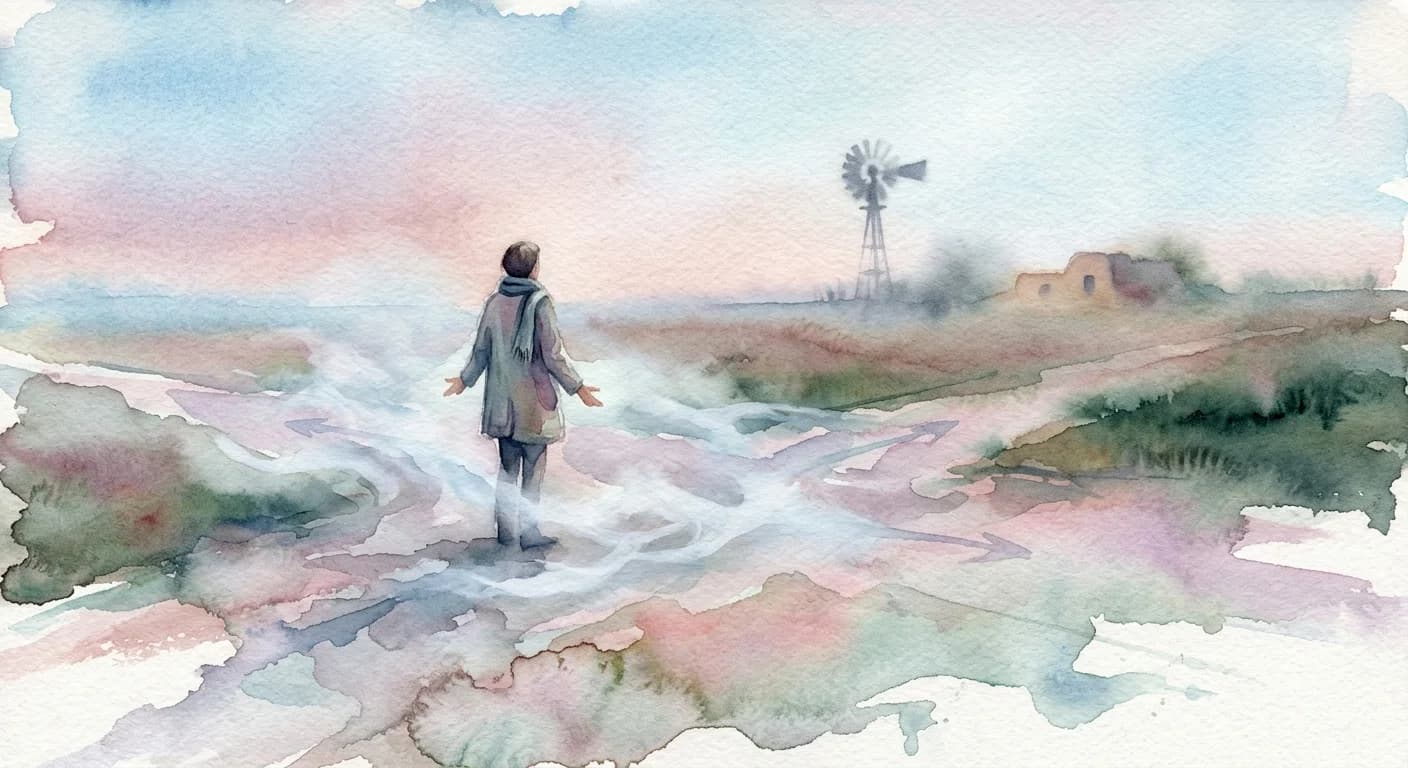
    Artistic representation of Akihi
    Hawaiian•
    🇺🇸United States

    Akihi

    /ah-KEE-hee/

    Meaning

    Akihi captures that fleeting, almost comical sensation of mental paralysis when one is suddenly thrust into an unexpected situation, even if fully equipped with the necessary knowledge. It's the "deer in headlights" moment, not born of ignorance or incompetence, but from the sheer jolt of an unpredicted demand that temporarily short-circuits one's ability to respond. This feeling highlights the human brain's need for a brief recalibration period when confronted with a sudden shift in expected reality, despite possessing the inherent capacity to navigate the challenge.

    Literal Translation

    Akihi does not have a direct literal English translation that captures its full nuance; it refers to a state of being lost or confused.

    The Story Behind the Word

    The existence of 'akihi' in Hawaiian culture speaks to a deep understanding of human psychology and the importance of preparedness, even within a communal society. While Hawaiian culture often emphasizes adaptability and resilience, 'akihi' acknowledges that even the most skilled individual can be momentarily thrown off balance by surprise. It subtly reinforces the value of clear communication and setting expectations, as a sudden change can disrupt the flow of collective effort. This word reveals a culture that values both individual competence and the recognition of shared human vulnerabilities, fostering empathy for those who might momentarily falter under unexpected pressure.

    Experience It

    Unexpected Presentation

    Sarah, a seasoned architect, was asked to present her design to a new client. Just as she began, the client suddenly interjected with a highly technical question completely unrelated to her current slide. For a brief moment, Sarah felt akihi, her mind scrambling to reframe her thoughts before she smoothly redirected the conversation.

    Sudden Recipe Change

    Keoni was confidently preparing a traditional family dish, having made it countless times. His aunt then casually mentioned a last-minute ingredient swap for a crucial component. Keoni experienced a moment of akihi, his hands hovering over the ingredients as his brain replayed the entire recipe with the new variable.

    The Deeper Meaning

    Akihi offers a philosophical reflection on the human condition, acknowledging the distinction between knowledge and its immediate application under duress. It suggests that even mastery doesn't eliminate the need for mental processing time when faced with the unexpected, highlighting the inherent limits of immediate cognitive recall and the importance of mental agility over mere rote knowledge. It underscores the idea that being human means sometimes needing a moment to catch your breath, even when you know the way.

    Did You Know?

    While often associated with confusion, 'akihi' isn't about being truly lost, but rather a temporary mental hiccup before competence reasserts itself.

    How It's Used

    Used to describe a mental state of confusion or a moment of feeling lost when faced with an unexpected situation or task, despite having the relevant knowledge.

    Emotions
    melancholy,wonder
    Contexts
    daily life,travel,work
    🇺🇸United States

    by Anya Petrova·Written Mar 14, 2026·Updated Apr 3, 2026

    Related Words

    Explore more
    SaudadePortuguese

    Saudade encapsulates a profound, melancholic longing for something or someone cherished that is absent, often with the bittersweet knowledge that it may never return. It's a deep emotional state tinged with nostalgia, evoking a sense of loss for past experiences, places, or people, yet also holding a tender appreciation for the beauty of what once was. This yearning is not merely sadness, but a complex tapestry of desire, memory, and a poignant acceptance of absence, holding the beloved in a warm, persistent embrace within the heart.

    Pura vidaSpanish

    More than just 'pure life,' "Pura vida" encapsulates a profound philosophy of embracing the present moment with unwavering optimism and gratitude. It's a daily commitment to finding joy in simple pleasures, accepting life's challenges with a positive spirit, and prioritizing well-being over material possessions. This ubiquitous phrase reflects a national identity built on resilience, community, and an deep appreciation for nature's bounty.

    MamihlapinatapaiYaghan

    Mamihlapinatapai encapsulates that profound, unspoken moment when two individuals lock eyes, each silently acknowledging a mutual desire or intention, yet both hesitate to be the first to act upon it. It's a delicate dance of anticipation, a shared gaze brimming with common understanding and a quiet longing for the other to break the ice. This intricate look carries the weight of a shared, uninitiated potential, a silent conversation where both parties are perfectly aware of what could happen, but neither makes the first move.

    TingoPascuense

    Tingo describes the subtle, insidious process of progressively appropriating a neighbor's belongings by habitually requesting to borrow them, only to 'forget' their return. It's not outright theft, but a slow, deliberate erosion of another's possessions, often under the guise of neighborly exchange. This gradual accumulation, piece by piece, ultimately results in a significant transfer of goods without any direct confrontation or formal acknowledgment of the loss. It speaks to a passive-aggressive form of acquisition, where social niceties are weaponized.