U.
HomeRegionsLanguagesEmotionsCollections
Find Your Word

“The limits of my language mean the limits of my world.”

— Ludwig Wittgenstein, Philosopher

Untranslatable

A curated collection of the world's most beautiful expressions—words that remind us language is humanity's greatest invention.

  • Home
  • Collections
  • Regions
  • Countries
  • Emotions
  • Tags
  • Contexts
  • Finder
  • Europe
  • Asia
  • Americas
  • Africa
  • Middle East
  • About
  • Contact
  • Privacy Policy
  • Terms of Service

2026 © Untranslatable. All rights reserved.

    /
    /
    1. Home
    2. /
    3. Europe
    4. /
    5. Angrillen
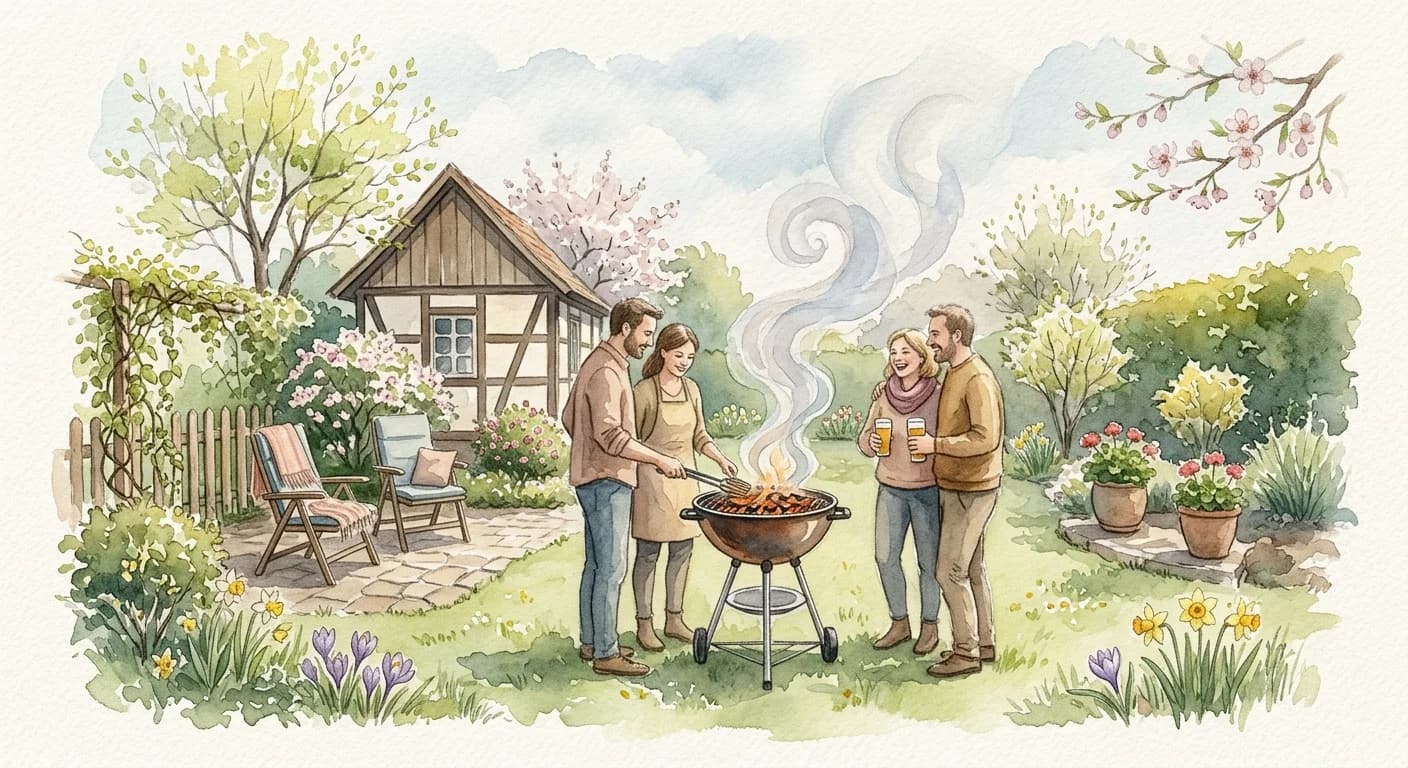
    Artistic representation of Angrillen
    German•
    🇩🇪Germany

    Angrillen

    /AHN-gril-en/

    Meaning

    Angrillen is the eagerly awaited inaugural barbecue of the year, a vibrant signal that winter's chill has finally receded. It represents far more than just cooking outdoors; it's a profound social ritual, an almost sacred declaration that the season of long, sun-drenched evenings and al fresco gatherings has officially begun. This tradition joyously ushers in a period of shared meals, conviviality, and a collective embrace of the outdoors, solidifying bonds over sizzling food and laughter.

    Literal Translation

    to start grilling

    The Story Behind the Word

    The existence of 'Angrillen' in German culture speaks volumes about the value placed on communality, seasonal rhythms, and the enjoyment of simple pleasures after enduring often long, grey winters. Germany, with its strong emphasis on order and tradition, transforms the act of 'starting' the grilling season into a recognized, almost ceremonial event. It reflects a national appreciation for Gemütlichkeit (coziness and good cheer) and the collective anticipation of brighter, warmer days spent with loved ones. The word highlights a cultural tendency to mark transitions and celebrate the arrival of favorable conditions, transforming a simple activity into a shared milestone that binds communities and families together, signifying a collective sigh of relief and celebration.

    Experience It

    First Warm Weekend

    The first truly warm Saturday in March arrives, sunlight streaming. Thomas texts his friends, 'Wollen wir angrillen?' (Shall we do our Angrillen?), knowing everyone has been waiting for this exact invitation to dust off their grills and celebrate the end of winter.

    Family Tradition

    Every year, Oma insists on hosting the Angrillen, despite the unpredictable April weather. Bundled in jackets, the family gathers around the smoky grill, the scent of Bratwurst mingling with the damp spring air, heralding the hopeful arrival of summer.

    The Deeper Meaning

    Angrillen embodies a philosophy of celebrating cyclical change and finding joy in collective anticipation. It reflects a deep human need to mark time, to transition from one phase to another with ritual and shared experience. This word externalizes a collective yearning for warmth, light, and social connection, underscoring how food and gathering serve as fundamental anchors in the rhythm of life.

    Did You Know?

    Despite its association with warm weather, many Germans will 'Angrillen' even in chilly early spring, often huddled around the grill, just to officially kick off the season!

    How It's Used

    Used in Germany to describe the first barbecue event of the spring/summer season.

    Emotions
    belonging,joy,warmth
    Contexts
    dining,family,friendship,seasons
    🇩🇪Germany

    by Sofia Rossi·Written Mar 14, 2026·Updated Apr 3, 2026

    Related Words

    Explore more
    HyggeDanish

    Hygge is more than mere coziness; it's a holistic embrace of comfort, warmth, and belonging that nourishes the soul. It describes the intentional creation of an intimate atmosphere where simple pleasures, genuine connection, and mindful presence converge, fostering a profound sense of contentment and well-being. It's about finding joy and peace in the small, everyday moments, often shared with loved ones.

    SaudadePortuguese

    Saudade encapsulates a profound, melancholic longing for something or someone cherished that is absent, often with the bittersweet knowledge that it may never return. It's a deep emotional state tinged with nostalgia, evoking a sense of loss for past experiences, places, or people, yet also holding a tender appreciation for the beauty of what once was. This yearning is not merely sadness, but a complex tapestry of desire, memory, and a poignant acceptance of absence, holding the beloved in a warm, persistent embrace within the heart.

    GezelligDutch

    Gezellig encapsulates a profound sense of warmth, belonging, and convivial comfort, extending beyond mere coziness to embrace the social and emotional atmosphere. It's the feeling of being truly at ease, surrounded by good company, laughter, and a shared sense of contentment. This untranslatable term describes not just a physical space, but a holistic experience where time seems to slow down, fostering genuine connection and a deep sense of well-being.

    Dolce far nienteItalian

    Dolce far niente captures the profound joy and effortless pleasure derived from simply existing without obligation or purpose. It's the art of savoring moments of pure, unadulterated idleness – lying in the sun, watching the clouds drift, or enjoying a leisurely coffee – not as a break from work, but as a valuable state in itself. This 'sweetness of doing nothing' is a conscious embrace of stillness and contentment, allowing the soul to breathe and the senses to fully engage with the present.