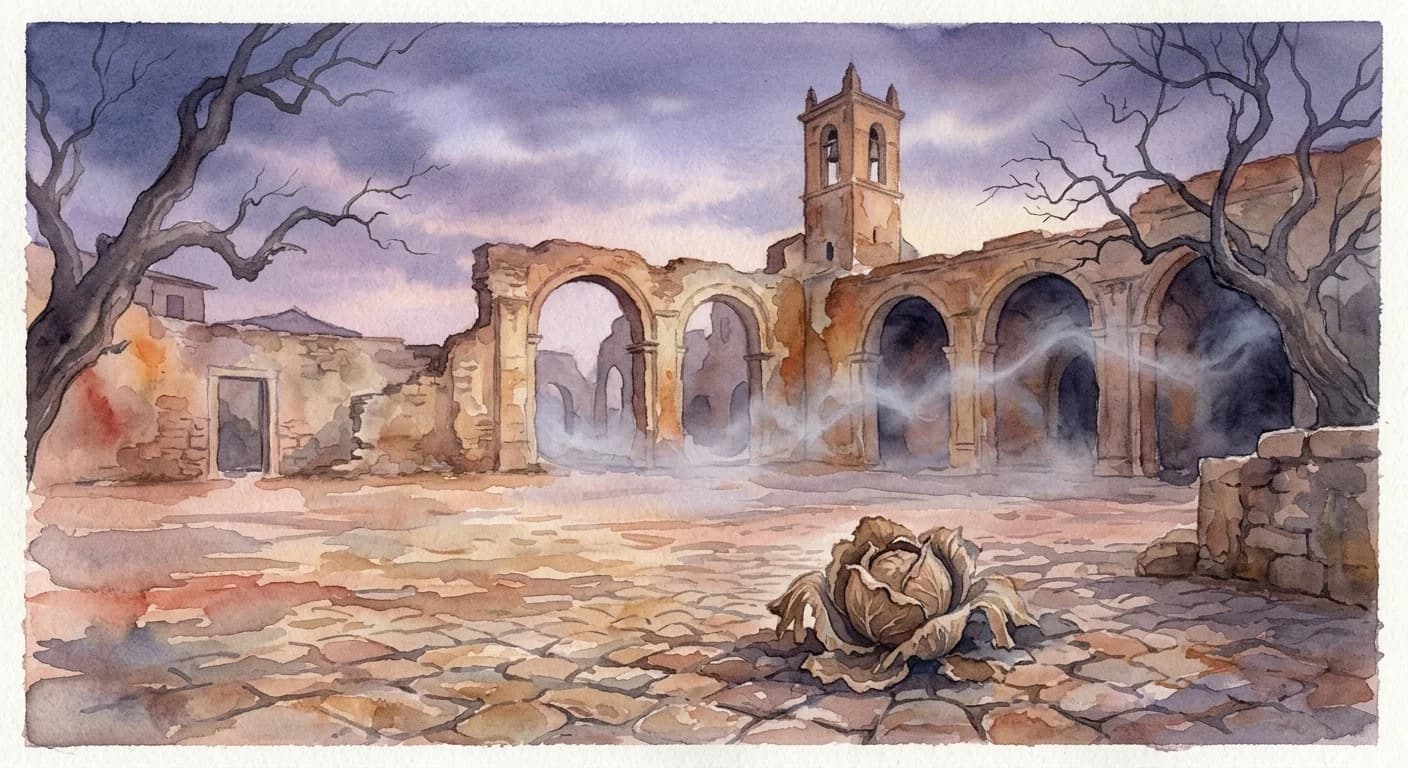
Cavoli riscaldati
/CAH-vo-lee ree-scal-DAH-tee/
Meaning
This phrase vividly captures the weariness of revisiting old, unresolved arguments or discussions that have lost all their freshness and appeal. Like a dish of reheated cabbage, which often becomes less palatable and even emits an unpleasant odor the second time around, "cavoli riscaldati" signifies a conversation that is stale, unappetizing, and unlikely to lead to any new insights or satisfactory conclusions. It's the exasperated sigh at the prospect of reliving past grievances or debating topics where all perspectives have already been thoroughly, and fruitlessly, explored.
Literal Translation
Reheated cabbages
The Story Behind the Word
The Italian culinary tradition places immense value on fresh ingredients and the art of cooking from scratch. Reheating food, especially something as humble as cabbage, often diminishes its quality, flavor, and even its aroma, making it a fitting metaphor for things that lose their appeal upon repetition. This phrase reflects a cultural aversion to stale, uninspired offerings, whether in food or in conversation. It speaks to a Mediterranean appreciation for vitality and novelty, and a disdain for that which is tired or lacks zest, highlighting a preference for vibrant, present-focused engagement over dwelling on past, unresolved matters.
Experience It
Family Dinner Debate
At Sunday dinner, Uncle Mario started, 'You know, back in my day, things were simpler...' His niece rolled her eyes, muttering under her breath, 'Oh no, not again, these are just cavoli riscaldati!'
Work Meeting Stalemate
During the project meeting, the team leader brought up the budget overruns from last quarter. One colleague sighed audibly, thinking, 'We've discussed this endlessly. It's just cavoli riscaldati; we need new solutions, not old complaints.'
What Gets Lost in Translation
English speakers might miss the visceral, almost unpleasant sensory experience implied by 'reheated cabbage.' It's not just that the topic is old; it's that bringing it up again is inherently unappealing, perhaps even slightly distasteful. The nuance isn't merely about repetition, but about the diminishing returns and the unpleasantness of the re-engagement.
Across Cultures
Similar sentiments exist in other cultures, albeit with different imagery. English has 'beating a dead horse' or 'rehashing old ground,' which convey futility and repetition. German uses 'alter Hut' (old hat) for something outdated. While these capture the 'old' aspect, few evoke the specific culinary unpleasantness of the Italian phrase.
The Deeper Meaning
This phrase subtly critiques an unproductive mode of interaction, urging a shift from dwelling on the past to seeking fresh perspectives and forward-looking solutions. It embodies a pragmatic philosophy that values progress and novelty over stagnant repetition, suggesting that true engagement requires evolving thought, not just reiteration of old points, reflecting a desire to move beyond unproductive cycles.
Did You Know?
The choice of 'cabbage' isn't arbitrary; it's a vegetable known for its strong smell when cooked, which only intensifies and becomes less pleasant when reheated, making it a perfect symbol for an unappetizing rehash.
How It's Used
Used to dismiss or express frustration with recurring, stale arguments or topics of conversation that have been debated before without resolution.