U.
HomeRegionsLanguagesEmotionsCollections
Find Your Word

“The limits of my language mean the limits of my world.”

— Ludwig Wittgenstein, Philosopher

Untranslatable

A curated collection of the world's most beautiful expressions—words that remind us language is humanity's greatest invention.

  • Home
  • Collections
  • Regions
  • Countries
  • Emotions
  • Tags
  • Contexts
  • Finder
  • Europe
  • Asia
  • Americas
  • Africa
  • Middle East
  • About
  • Contact
  • Privacy Policy
  • Terms of Service

2026 © Untranslatable. All rights reserved.

    /
    /
    1. Home
    2. /
    3. Europe
    4. /
    5. Duermevela
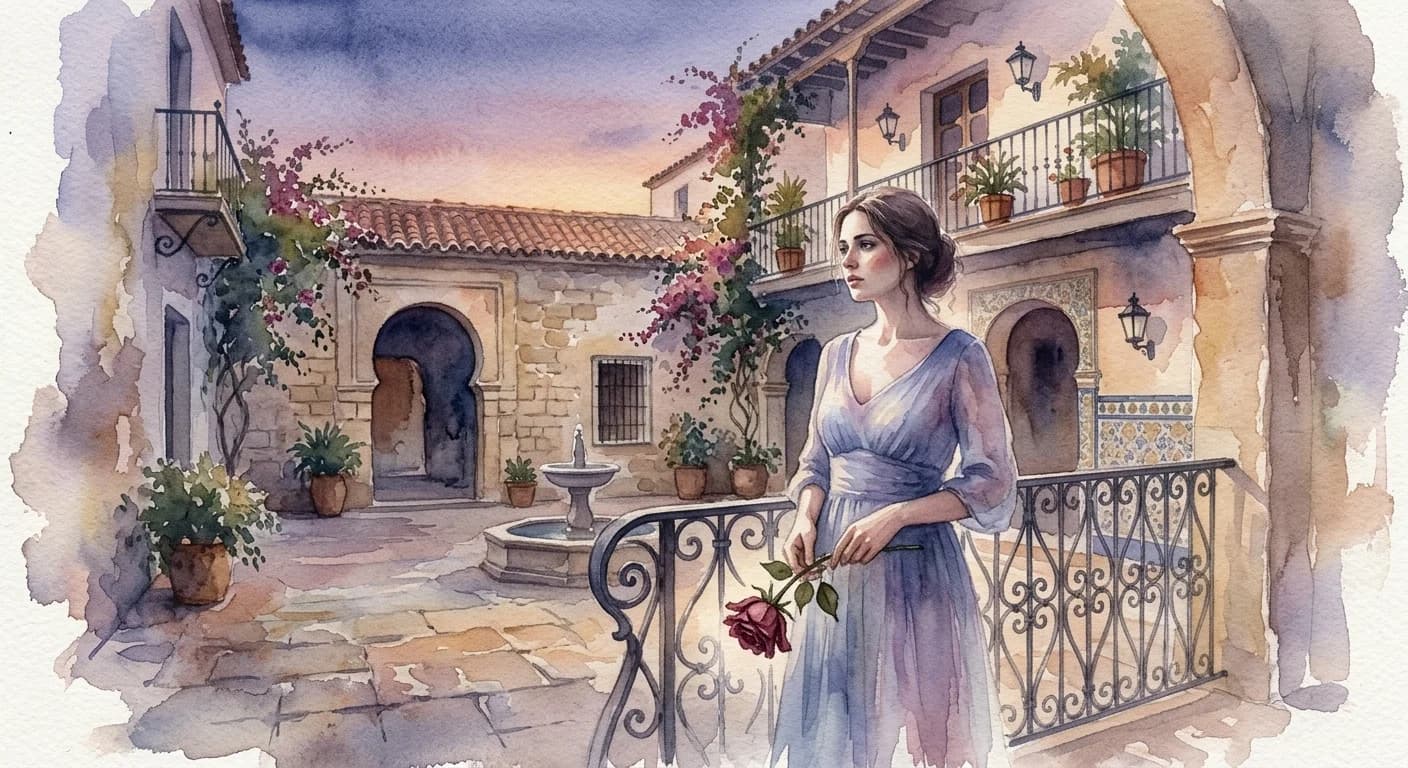
    Artistic representation of Duermevela
    Spanish•
    🇦🇷Argentina🇧🇴Bolivia🇨🇱Chile🇨🇴Colombia🇨🇷Costa Rica🇨🇺Cuba🇩🇴Dominican Republic🇪🇨Ecuador🇸🇻El Salvador🇬🇹Guatemala🇭🇳Honduras🇲🇽Mexico🇳🇮Nicaragua🇵🇦Panama🇵🇾Paraguay🇵🇪Peru🇵🇷Puerto Rico🇪🇸Spain🇺🇾Uruguay🇻🇪Venezuela

    Duermevela

    /DWERR-meh-VEH-lah/

    Meaning

    Duermevela describes the ethereal state of being suspended between wakefulness and sleep, where the mind drifts through a hazy, semi-conscious landscape. It's the liminal space where thoughts are not fully formed, and reality blurs with nascent dreams and subconscious stirrings. This unique mental twilight can be disorienting yet profoundly tranquil, a moment of profound suspension where the boundaries of perception soften, allowing for a unique, unburdened contemplation. It captures the essence of a mind neither fully engaged nor completely at rest, a fleeting passage through a dream-like reality.

    Literal Translation

    sleep-wake

    The Story Behind the Word

    The existence of 'duermevela' in Spanish culture highlights a keen awareness and appreciation for the nuanced states of human consciousness, particularly those moments of transition. Spanish, like many Romance languages, often possesses a rich vocabulary for subtle emotional and mental states, reflecting a culture that traditionally values introspection and the poetic articulation of inner experience. This word suggests that the Spanish worldview acknowledges and even cherishes the 'in-between' – not just in sleep and wakefulness, but perhaps in life's broader transitions and ambiguities. It reveals a cultural comfort with ambiguity and a recognition that not all experiences fit neatly into binary categories, allowing for a deeper, more holistic understanding of human existence.

    Experience It

    Morning Coffee Haze

    Elena sat on her balcony, the morning sun warming her face, a half-empty cup of coffee beside her. She wasn't fully awake, her thoughts drifting aimlessly, a pleasant 'duermevela' enveloping her as she watched the city slowly come to life, not quite seeing, not quite thinking.

    Post-Lunch Drowsiness

    During the long, monotonous afternoon meeting, Carlos found himself slipping into a 'duermevela'. His eyes were open, but his mind was elsewhere, picturing the clouds outside the window, the droning voices of his colleagues fading into a gentle background hum.

    The Deeper Meaning

    This word reveals a cultural understanding that consciousness is not a simple on/off switch, but a spectrum with rich, liminal spaces. It suggests an appreciation for moments of mental 'unproductivity' – the value in allowing the mind to wander and rest without being fully asleep or fully alert. This philosophical stance embraces the non-linear aspects of thought and the subtle ways our minds process information even when not actively engaged.

    Did You Know?

    The word 'duermevela' is a compound word, literally meaning 'sleep-wake,' beautifully encapsulating its definition as the state between these two distinct consciousnesses.

    How It's Used

    Used to describe the mental state one is in when they are on the verge of sleep, or just waking up, but are not fully alert. It can also describe a state of distraction or being lost in thought.

    Emotions
    melancholy,peace,wonder
    Contexts
    daily life,relaxation,solitude
    🇦🇷Argentina🇧🇴Bolivia🇨🇱Chile🇨🇴Colombia🇨🇷Costa Rica🇨🇺Cuba🇩🇴Dominican Republic🇪🇨Ecuador🇸🇻El Salvador🇬🇹Guatemala🇭🇳Honduras🇲🇽Mexico🇳🇮Nicaragua🇵🇦Panama🇵🇾Paraguay🇵🇪Peru🇵🇷Puerto Rico🇪🇸Spain🇺🇾Uruguay🇻🇪Venezuela

    by Annelise Dubois·Written Mar 14, 2026·Updated Apr 3, 2026

    Related Words

    Explore more
    HyggeDanish

    Hygge is more than mere coziness; it's a holistic embrace of comfort, warmth, and belonging that nourishes the soul. It describes the intentional creation of an intimate atmosphere where simple pleasures, genuine connection, and mindful presence converge, fostering a profound sense of contentment and well-being. It's about finding joy and peace in the small, everyday moments, often shared with loved ones.

    SaudadePortuguese

    Saudade encapsulates a profound, melancholic longing for something or someone cherished that is absent, often with the bittersweet knowledge that it may never return. It's a deep emotional state tinged with nostalgia, evoking a sense of loss for past experiences, places, or people, yet also holding a tender appreciation for the beauty of what once was. This yearning is not merely sadness, but a complex tapestry of desire, memory, and a poignant acceptance of absence, holding the beloved in a warm, persistent embrace within the heart.

    GezelligDutch

    Gezellig encapsulates a profound sense of warmth, belonging, and convivial comfort, extending beyond mere coziness to embrace the social and emotional atmosphere. It's the feeling of being truly at ease, surrounded by good company, laughter, and a shared sense of contentment. This untranslatable term describes not just a physical space, but a holistic experience where time seems to slow down, fostering genuine connection and a deep sense of well-being.

    Dolce far nienteItalian

    Dolce far niente captures the profound joy and effortless pleasure derived from simply existing without obligation or purpose. It's the art of savoring moments of pure, unadulterated idleness – lying in the sun, watching the clouds drift, or enjoying a leisurely coffee – not as a break from work, but as a valuable state in itself. This 'sweetness of doing nothing' is a conscious embrace of stillness and contentment, allowing the soul to breathe and the senses to fully engage with the present.