U.
HomeRegionsLanguagesEmotionsCollections
Find Your Word

“The limits of my language mean the limits of my world.”

— Ludwig Wittgenstein, Philosopher

Untranslatable

A curated collection of the world's most beautiful expressions—words that remind us language is humanity's greatest invention.

  • Home
  • Collections
  • Regions
  • Countries
  • Emotions
  • Tags
  • Contexts
  • Finder
  • Europe
  • Asia
  • Americas
  • Africa
  • Middle East
  • About
  • Contact
  • Privacy Policy
  • Terms of Service

2026 © Untranslatable. All rights reserved.

    /
    /
    1. Home
    2. /
    3. Europe
    4. /
    5. Gunnen
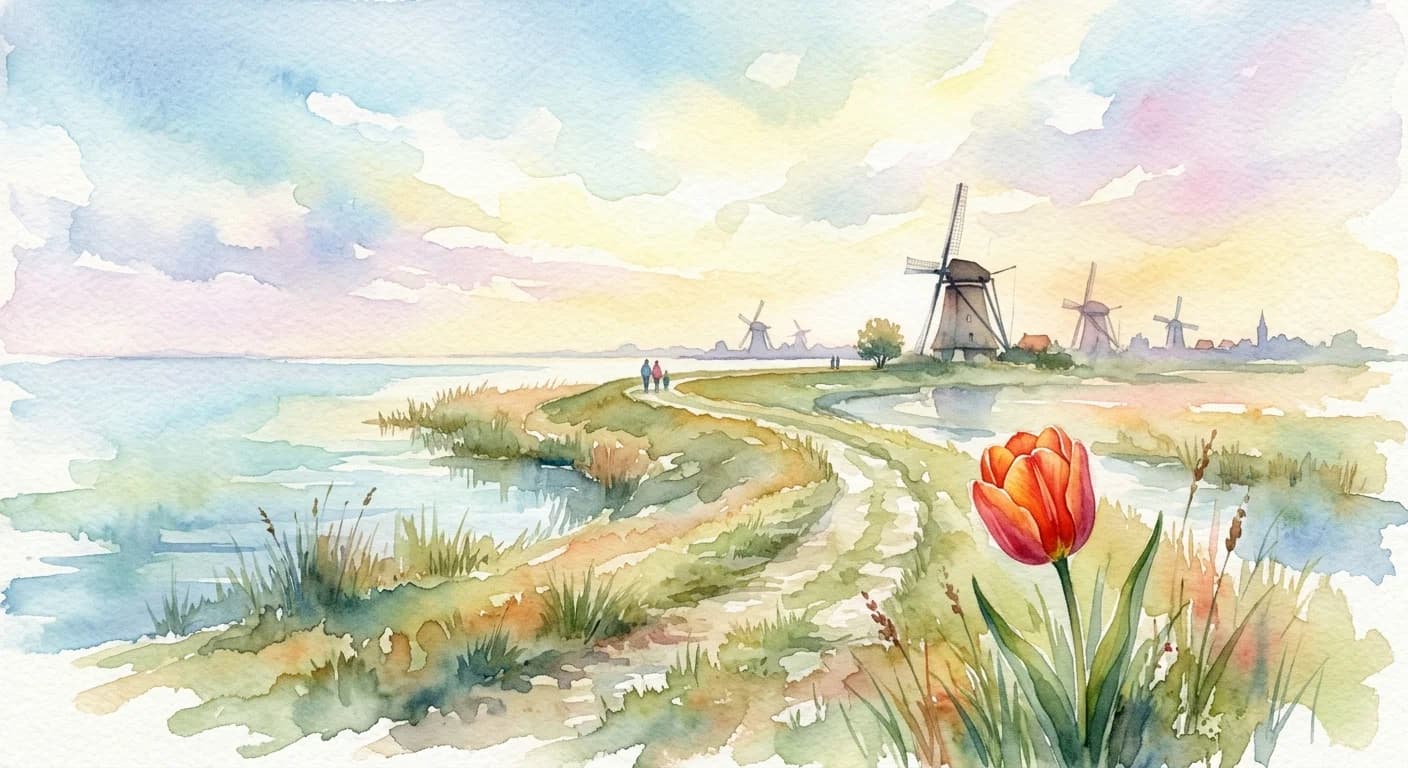
    Artistic representation of Gunnen
    Dutch•
    🇳🇱Netherlands

    Gunnen

    /KHUN-nen/

    Meaning

    Gunnen is a deeply ingrained Dutch concept that signifies the genuine, ungrudging pleasure and active willingness to see someone else succeed, thrive, or enjoy something good. It transcends mere well-wishing; it's about actively feeling happy for their good fortune without a trace of envy, resentment, or a sense of personal loss. This applies to anything from a professional achievement to a friend's new car or a neighbor's flourishing garden, embodying a pure, selfless joy in another's positive experience.

    Literal Translation

    To grant; to allow; to begrudge (in the negative sense, meaning 'not to begrudge')

    The Story Behind the Word

    The existence and prominence of 'gunnen' in the Dutch lexicon are deeply rooted in the historical and societal fabric of the Netherlands. It reflects a culture that, while valuing individual achievement, places a strong emphasis on community, fairness, and collective well-being, often associated with the 'polder model' of consensus-seeking. In a relatively small, densely populated country, a spirit of 'gunnen' fosters social cohesion and mitigates destructive envy, which could otherwise arise in close-knit communities. It subtly encourages a worldview where another's success is not seen as a zero-sum game, but rather as a positive contribution to the overall atmosphere, reinforcing a sense of interconnectedness and mutual support. This word encapsulates a cultural aspiration to genuinely celebrate others' prosperity without personal bitterness.

    Experience It

    Promotion at Work

    Sarah's colleague, Mark, just got the promotion they both vied for. Instead of feeling bitter, Sarah genuinely said, 'Gefeliciteerd, Mark! Ik gun het je zo!' (Congratulations, Mark! I truly 'gun' it to you!), meaning she genuinely wished him well and felt happy for his success.

    Friend's New Home

    After years of saving, Jan's friend finally bought their dream house. Looking at the beautiful garden, Jan felt a warm glow of happiness, thinking, 'Wat fijn voor ze, ik gun het ze van harte.' (How nice for them, I 'gun' it to them wholeheartedly), truly delighting in their good fortune.

    The Deeper Meaning

    This word reveals a philosophical underpinning that challenges individualistic notions of success and happiness. It suggests a societal value where personal contentment is not solely derived from one's own achievements, but also from the shared joy and prosperity of others. It embodies an ethical stance against envy, promoting a more communal and empathetic approach to life, where celebrating another's good fortune is seen as a virtuous and enriching act in itself.

    Did You Know?

    The word 'gunnen' is often used in the negative form 'niet misgunnen' (not to begrudge), emphasizing the active absence of envy and reinforcing the positive sentiment of genuine goodwill.

    How It's Used

    Used to express genuine happiness for someone else's success or good fortune, implying a lack of envy.

    Emotions
    belonging,gratitude,joy,warmth
    Contexts
    celebration,family,friendship,work
    🇳🇱Netherlands

    by Sofia Rossi·Written Mar 14, 2026·Updated Apr 3, 2026

    Related Words

    Explore more
    HyggeDanish

    Hygge is more than mere coziness; it's a holistic embrace of comfort, warmth, and belonging that nourishes the soul. It describes the intentional creation of an intimate atmosphere where simple pleasures, genuine connection, and mindful presence converge, fostering a profound sense of contentment and well-being. It's about finding joy and peace in the small, everyday moments, often shared with loved ones.

    SaudadePortuguese

    Saudade encapsulates a profound, melancholic longing for something or someone cherished that is absent, often with the bittersweet knowledge that it may never return. It's a deep emotional state tinged with nostalgia, evoking a sense of loss for past experiences, places, or people, yet also holding a tender appreciation for the beauty of what once was. This yearning is not merely sadness, but a complex tapestry of desire, memory, and a poignant acceptance of absence, holding the beloved in a warm, persistent embrace within the heart.

    GezelligDutch

    Gezellig encapsulates a profound sense of warmth, belonging, and convivial comfort, extending beyond mere coziness to embrace the social and emotional atmosphere. It's the feeling of being truly at ease, surrounded by good company, laughter, and a shared sense of contentment. This untranslatable term describes not just a physical space, but a holistic experience where time seems to slow down, fostering genuine connection and a deep sense of well-being.

    Dolce far nienteItalian

    Dolce far niente captures the profound joy and effortless pleasure derived from simply existing without obligation or purpose. It's the art of savoring moments of pure, unadulterated idleness – lying in the sun, watching the clouds drift, or enjoying a leisurely coffee – not as a break from work, but as a valuable state in itself. This 'sweetness of doing nothing' is a conscious embrace of stillness and contentment, allowing the soul to breathe and the senses to fully engage with the present.