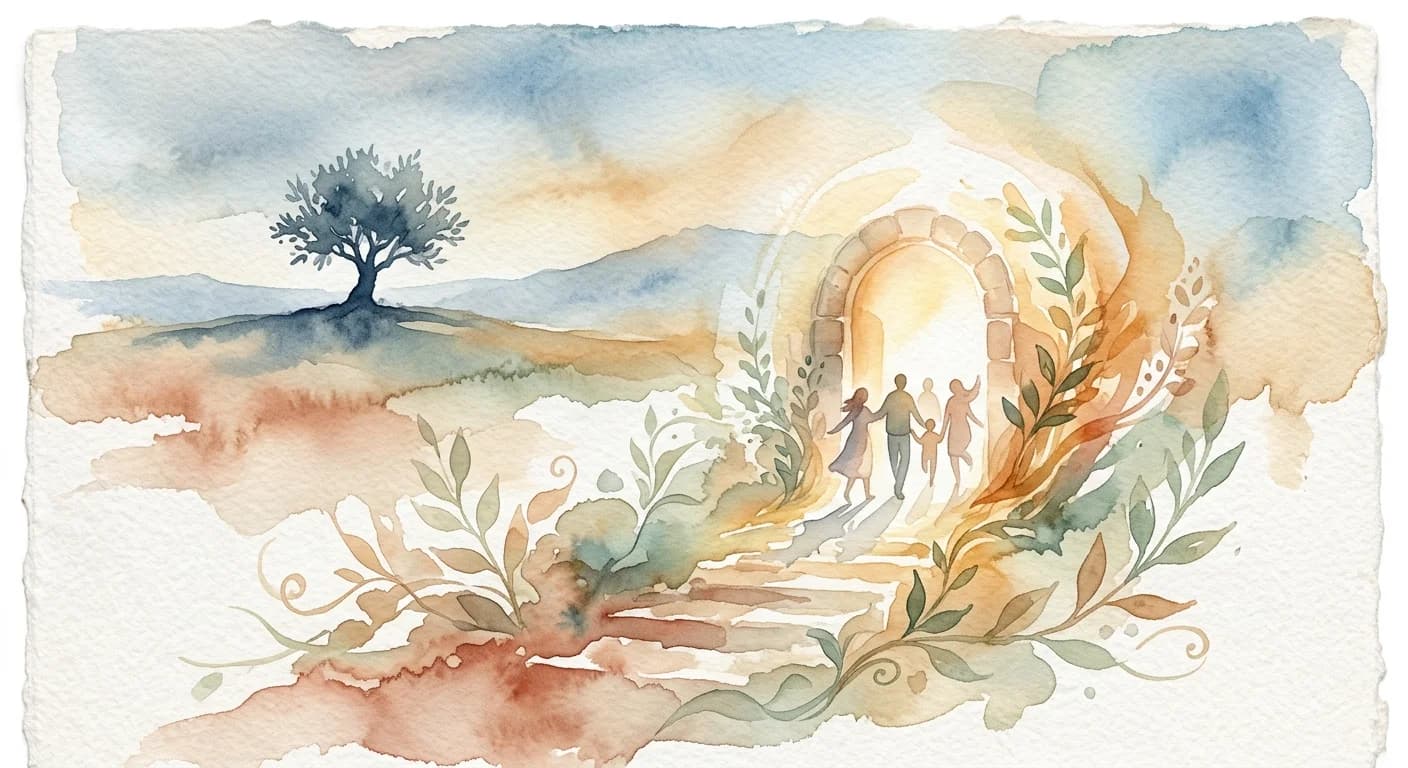
Hachnasat orchim
/khahkh-nah-SAHT ohr-KHEEM/
Meaning
Hachnasat orchim is a profound Hebrew concept embodying the sacred duty and joyful act of welcoming guests into one's home and community. It extends far beyond mere hospitality, encompassing a deeply ingrained sense of responsibility to ensure visitors feel cherished, comfortable, and profoundly provided for, often anticipating their needs before they are even voiced. This practice is about opening one's heart, home, and resources with genuine warmth and boundless generosity, reflecting a core value of communal care and spiritual devotion central to Jewish tradition. It transforms a social custom into a spiritual mitzvah, elevating the act of hosting to a divine commandment.
Literal Translation
The bringing in of guests
The Story Behind the Word
The concept of Hachnasat orchim is deeply rooted in Jewish scripture and history, tracing back to biblical figures like Abraham who famously welcomed three strangers, unknowingly angels, with immense generosity. This act set a foundational precedent, cementing hospitality not just as a virtue but as a religious obligation. It reflects a communal ethos born from a history of wandering, persecution, and reliance on each other, where welcoming the stranger was often a matter of survival and solidarity. The word reveals a worldview where every individual, particularly a guest, carries inherent dignity and is deserving of respect and sustenance. It emphasizes the interconnectedness of the community and the belief that performing good deeds (mitzvot) sanctifies daily life and brings one closer to the divine. This cultural imperative ensures that no one, especially a traveler or newcomer, should ever feel isolated or neglected.
Experience It
Shabbat Dinner Welcome
A young couple, new to the city, is invited to a Shabbat dinner. Upon arrival, their host immediately offers them comfortable slippers, a warm drink, and engages them in conversation, ensuring they feel completely at ease before the meal even begins. Their children are welcomed into play with the host's kids, instantly integrating them into the family's world.
Supporting a Mourner
Following a funeral, community members spontaneously organize meals, provide lodging for out-of-town relatives, and ensure the grieving family's home is cared for. This collective effort, driven by hachnasat orchim, allows the mourners to focus on their grief without the burden of daily logistics, embodying profound communal support.
The Deeper Meaning
Hachnasat orchim embodies a philosophy that views humanity as inherently interconnected and responsible for one another's well-being. It is a practical manifestation of the belief that every person is created in the divine image, thus deserving of honor and care. This concept transcends simple politeness, suggesting that true spiritual fulfillment comes from selfless giving and transforming one's home into a sanctuary for others, thereby elevating the mundane act of hosting into a sacred endeavor that builds community and reflects divine generosity.
Did You Know?
The Talmud teaches that hachnasat orchim (welcoming guests) is considered an even greater mitzvah (commandment) than receiving the Divine Presence, highlighting its immense spiritual significance in Jewish thought.
How It's Used
Used to describe the act of welcoming and hosting guests, especially in Jewish households and communities. It's invoked when discussing acts of generosity, hospitality, and communal responsibility.