U.
HomeRegionsLanguagesEmotionsCollections
Find Your Word

“The limits of my language mean the limits of my world.”

— Ludwig Wittgenstein, Philosopher

Untranslatable

A curated collection of the world's most beautiful expressions—words that remind us language is humanity's greatest invention.

  • Home
  • Collections
  • Regions
  • Countries
  • Emotions
  • Tags
  • Contexts
  • Finder
  • Europe
  • Asia
  • Americas
  • Africa
  • Middle East
  • About
  • Contact
  • Privacy Policy
  • Terms of Service

2026 © Untranslatable. All rights reserved.

    /
    /
    1. Home
    2. /
    3. Europe
    4. /
    5. Inat
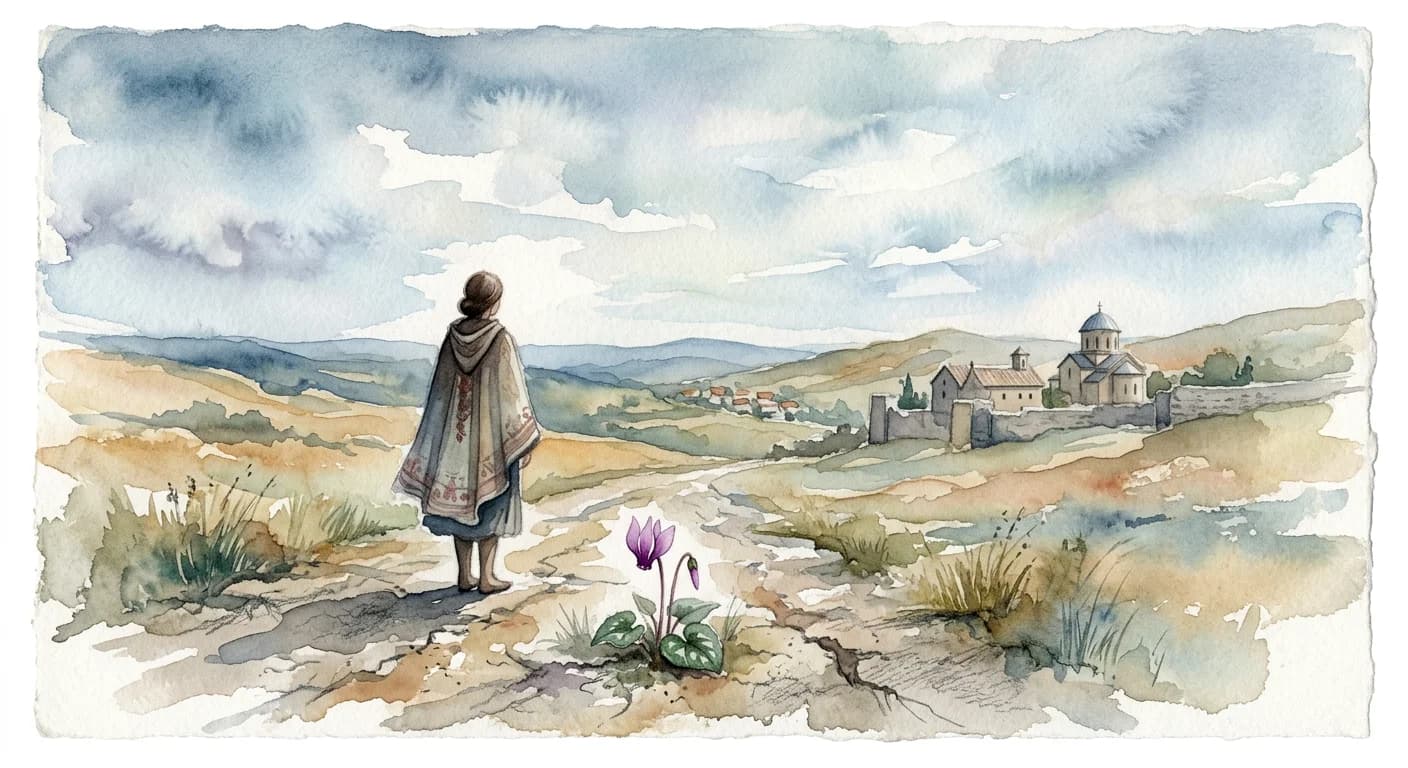
    Artistic representation of Inat
    Serbian•
    🇧🇦Bosnia and Herzegovina🇭🇷Croatia🇲🇪Montenegro🇷🇸Serbia

    Inat

    /EE-naht/

    Meaning

    Inat is a profound, often self-destructive defiance rooted in pride and a fierce refusal to yield, particularly in the face of perceived injustice or overwhelming odds. It's more than mere stubbornness; it's a deep-seated, almost spiritual, resistance that compels one to persist against all reason, even if it leads to personal detriment. This complex emotion embodies a blend of determination, honor, and a touch of vindictiveness, reflecting a historical resilience forged through adversity.

    Literal Translation

    Stubbornness, defiance

    The Story Behind the Word

    The concept of 'inat' is deeply woven into Serbian cultural identity, stemming from centuries of foreign occupation and struggle for independence. It encapsulates the spirit of a people who have historically defied empires and endured immense hardship, often through sheer force of will and an unwavering refusal to be subjugated. 'Inat' became a survival mechanism, a psychological fortress against assimilation, embodying the belief that maintaining one's dignity and identity, even at great cost, is paramount. It reveals a worldview where honor and defiance against perceived oppression are more valuable than pragmatic self-interest, often celebrated in folklore and historical narratives as a core national trait.

    Experience It

    The Stubborn Farmer

    A farmer, despite repeated warnings of a failing crop and offers to buy his land, refuses to sell. He continues to plant the same crop each year, not because he expects a miracle yield, but out of sheer 'inat' against those who told him he couldn't succeed, even as his family struggles.

    Defying the Odds

    During a heated debate, someone is presented with irrefutable evidence against their argument. Instead of conceding, they dig in their heels, doubling down on their original stance purely out of 'inat', refusing to be seen as wrong, even if it means alienating others.

    The Deeper Meaning

    Inat reflects a philosophy where personal dignity and the assertion of one's will are paramount, even over rational self-preservation. It suggests a deep-seated belief that true strength lies not in yielding to circumstance, but in an unyielding spirit of defiance, particularly when one's honor or identity is challenged. This worldview prioritizes internal resolve and a defiant posture against external pressures, often seeing compromise as a form of surrender.

    Did You Know?

    The phrase 'terati inat' (to drive inat) means to act purely out of spite or stubborn defiance, highlighting its active and often provocative nature.

    How It's Used

    Used to describe someone's stubborn behavior, especially when they are doing something to spite someone else or to prove a point, even if it harms themselves.

    Emotions
    pride,resilience
    Contexts
    conflict,daily life
    🇧🇦Bosnia and Herzegovina🇭🇷Croatia🇲🇪Montenegro🇷🇸Serbia

    by Sofia Rossi·Written Mar 14, 2026·Updated Apr 3, 2026

    Related Words

    Explore more
    HyggeDanish

    Hygge is more than mere coziness; it's a holistic embrace of comfort, warmth, and belonging that nourishes the soul. It describes the intentional creation of an intimate atmosphere where simple pleasures, genuine connection, and mindful presence converge, fostering a profound sense of contentment and well-being. It's about finding joy and peace in the small, everyday moments, often shared with loved ones.

    SaudadePortuguese

    Saudade encapsulates a profound, melancholic longing for something or someone cherished that is absent, often with the bittersweet knowledge that it may never return. It's a deep emotional state tinged with nostalgia, evoking a sense of loss for past experiences, places, or people, yet also holding a tender appreciation for the beauty of what once was. This yearning is not merely sadness, but a complex tapestry of desire, memory, and a poignant acceptance of absence, holding the beloved in a warm, persistent embrace within the heart.

    GezelligDutch

    Gezellig encapsulates a profound sense of warmth, belonging, and convivial comfort, extending beyond mere coziness to embrace the social and emotional atmosphere. It's the feeling of being truly at ease, surrounded by good company, laughter, and a shared sense of contentment. This untranslatable term describes not just a physical space, but a holistic experience where time seems to slow down, fostering genuine connection and a deep sense of well-being.

    Dolce far nienteItalian

    Dolce far niente captures the profound joy and effortless pleasure derived from simply existing without obligation or purpose. It's the art of savoring moments of pure, unadulterated idleness – lying in the sun, watching the clouds drift, or enjoying a leisurely coffee – not as a break from work, but as a valuable state in itself. This 'sweetness of doing nothing' is a conscious embrace of stillness and contentment, allowing the soul to breathe and the senses to fully engage with the present.