U.
HomeRegionsLanguagesEmotionsCollections
Find Your Word

“The limits of my language mean the limits of my world.”

— Ludwig Wittgenstein, Philosopher

Untranslatable

A curated collection of the world's most beautiful expressions—words that remind us language is humanity's greatest invention.

  • Home
  • Collections
  • Regions
  • Countries
  • Emotions
  • Tags
  • Contexts
  • Finder
  • Europe
  • Asia
  • Americas
  • Africa
  • Middle East
  • About
  • Contact
  • Privacy Policy
  • Terms of Service

2026 © Untranslatable. All rights reserved.

    /
    /
    1. Home
    2. /
    3. Europe
    4. /
    5. Lebensmüde
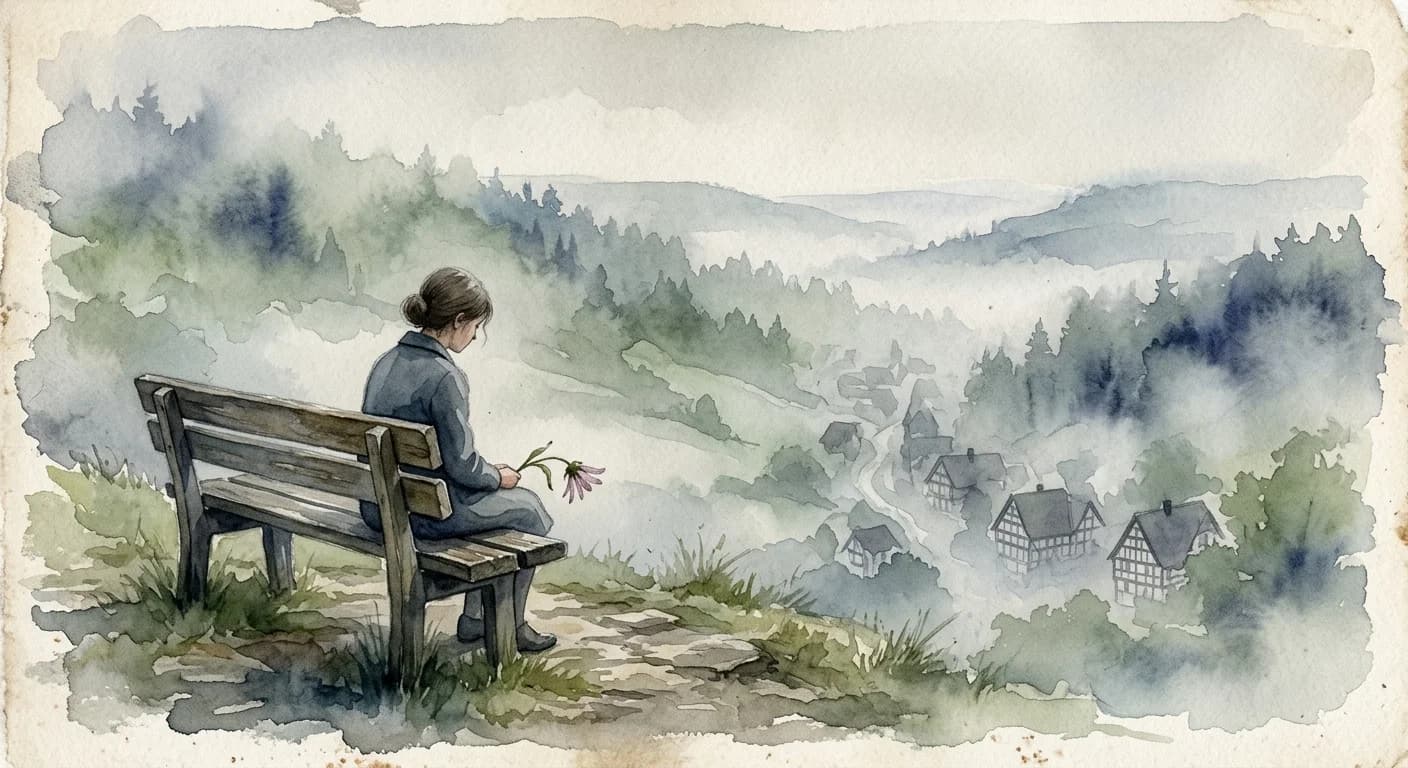
    Artistic representation of Lebensmüde
    German•
    🇦🇹Austria🇩🇪Germany🇨🇭Switzerland

    Lebensmüde

    /LAY-bens-MYOO-duh/

    Meaning

    Lebensmüde describes a profound weariness with life itself, a soul-deep exhaustion that transcends mere fatigue or unhappiness. It's a heavy sigh from the depths of one's being, a quiet resignation to the relentless march of existence and its inherent burdens. This state is not necessarily about wishing for death, but rather a profound longing for respite from the constant effort of living, a weary disengagement from the world's demands, and a deep-seated acknowledgement of life's often-futility.

    Literal Translation

    Life-tired

    The Story Behind the Word

    The existence of "Lebensmüde" in German culture speaks to a long-standing philosophical tradition of grappling with existential questions and the human condition. German thought, from Goethe to Nietzsche and beyond, has often explored themes of struggle, fate, and the inherent difficulties of existence. This word is not just a descriptor of a personal feeling, but a cultural marker reflecting an acceptance, even an expectation, that life can be profoundly challenging and draining. It reveals a worldview that doesn't shy away from the darker, more melancholic aspects of human experience, contrasting with cultures that might prioritize optimism or resilience above all else. It's a term that allows for the articulation of a deep, pervasive weariness without necessarily implying mental illness, but rather a profound philosophical or emotional state.

    Experience It

    The Old Poet's Sigh

    After decades of writing and striving, the renowned poet sat by his window, watching the rain. He felt a profound Lebensmüde, not despair, but a quiet, all-encompassing tiredness with the endless cycle of creation, criticism, and the world's indifference.

    Manager's Existential Break

    The high-powered executive, despite all her successes, found herself staring blankly at her perfectly organized desk. A wave of Lebensmüde washed over her—a sudden, overwhelming sense of futility with the corporate ladder and the relentless pursuit of more.

    The Deeper Meaning

    This word unveils a worldview that acknowledges the inherent weight of existence, suggesting that life's burdens are not merely circumstantial but an inescapable part of the human journey. It reflects a cultural space for profound weariness as a legitimate response to the perceived futility or relentless demands of being, rather than solely as a symptom of pathology. It allows for a quiet, almost dignified, resignation to life's inherent struggles.

    Did You Know?

    While often associated with melancholic poetry, 'Lebensmüde' is also used in German legal contexts to describe a state of mind where someone is so weary of life they might neglect their own care, without necessarily being suicidal.

    How It's Used

    Used to describe someone who feels a profound weariness with life, often stemming from existential fatigue or a sense of futility. It can be used in literature, philosophy, or personal reflection when discussing the heavier aspects of the human condition.

    Emotions
    bittersweet,longing,melancholy
    Contexts
    personal growth,solitude
    🇦🇹Austria🇩🇪Germany🇨🇭Switzerland

    by Annelise Dubois·Written Mar 14, 2026·Updated Apr 3, 2026

    Related Words

    Explore more
    HyggeDanish

    Hygge is more than mere coziness; it's a holistic embrace of comfort, warmth, and belonging that nourishes the soul. It describes the intentional creation of an intimate atmosphere where simple pleasures, genuine connection, and mindful presence converge, fostering a profound sense of contentment and well-being. It's about finding joy and peace in the small, everyday moments, often shared with loved ones.

    SaudadePortuguese

    Saudade encapsulates a profound, melancholic longing for something or someone cherished that is absent, often with the bittersweet knowledge that it may never return. It's a deep emotional state tinged with nostalgia, evoking a sense of loss for past experiences, places, or people, yet also holding a tender appreciation for the beauty of what once was. This yearning is not merely sadness, but a complex tapestry of desire, memory, and a poignant acceptance of absence, holding the beloved in a warm, persistent embrace within the heart.

    GezelligDutch

    Gezellig encapsulates a profound sense of warmth, belonging, and convivial comfort, extending beyond mere coziness to embrace the social and emotional atmosphere. It's the feeling of being truly at ease, surrounded by good company, laughter, and a shared sense of contentment. This untranslatable term describes not just a physical space, but a holistic experience where time seems to slow down, fostering genuine connection and a deep sense of well-being.

    Dolce far nienteItalian

    Dolce far niente captures the profound joy and effortless pleasure derived from simply existing without obligation or purpose. It's the art of savoring moments of pure, unadulterated idleness – lying in the sun, watching the clouds drift, or enjoying a leisurely coffee – not as a break from work, but as a valuable state in itself. This 'sweetness of doing nothing' is a conscious embrace of stillness and contentment, allowing the soul to breathe and the senses to fully engage with the present.