U.
HomeRegionsLanguagesEmotionsCollections
Find Your Word

“The limits of my language mean the limits of my world.”

— Ludwig Wittgenstein, Philosopher

Untranslatable

A curated collection of the world's most beautiful expressions—words that remind us language is humanity's greatest invention.

  • Home
  • Collections
  • Regions
  • Countries
  • Emotions
  • Tags
  • Contexts
  • Finder
  • Europe
  • Asia
  • Americas
  • Africa
  • Middle East
  • About
  • Contact
  • Privacy Policy
  • Terms of Service

2026 © Untranslatable. All rights reserved.

    /
    /
    1. Home
    2. /
    3. Europe
    4. /
    5. Tüddelig
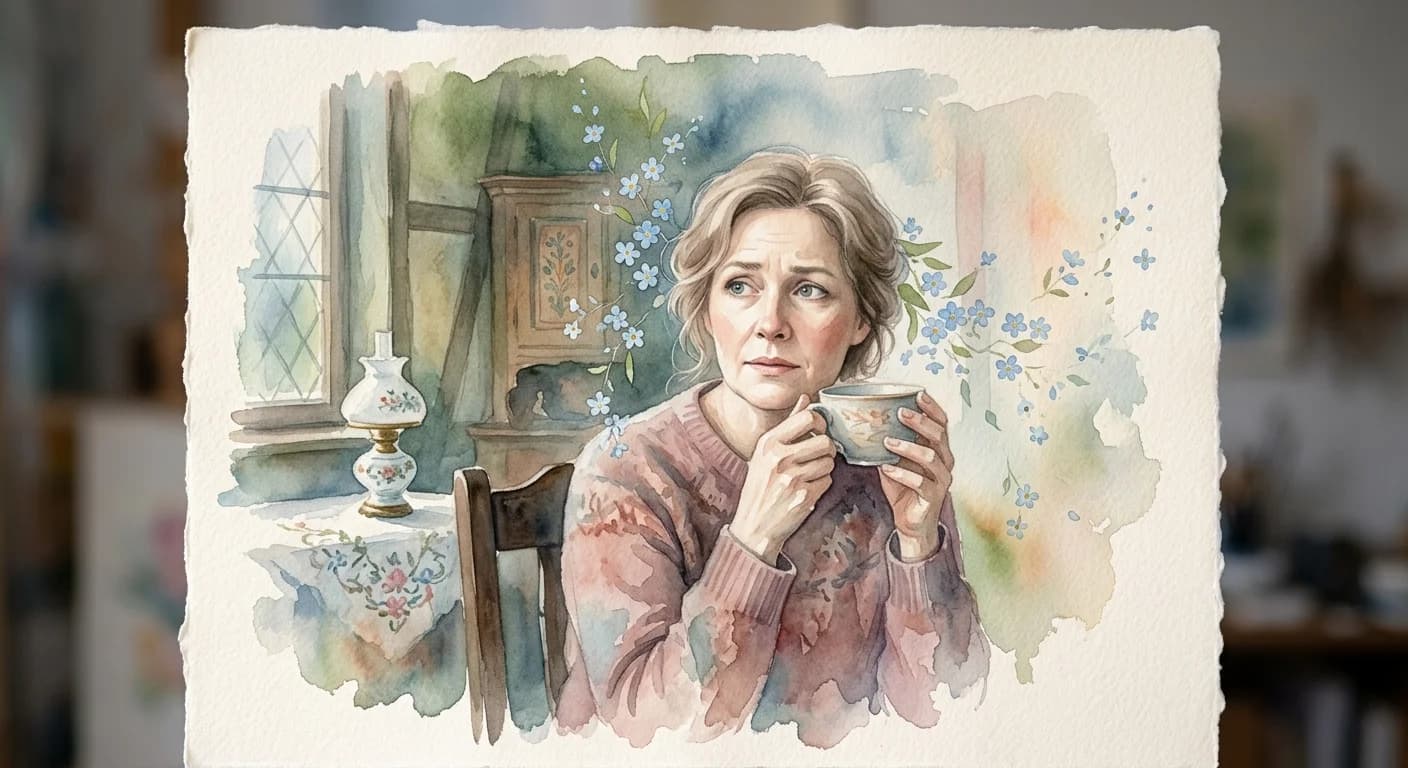
    Artistic representation of Tüddelig
    Low German•
    🇩🇪Germany

    Tüddelig

    /TOO-deh-lig/

    Meaning

    Tüddelig captures that wonderfully human state of gentle, temporary discombobulation. It's not outright confusion or dementia, but rather a charmingly muddled mind where thoughts wander, words momentarily vanish, or objects seem to play hide-and-seek. Imagine the feeling after a short night's sleep, or when juggling too many tasks – a benign bewilderment that leaves one slightly out of sync with the immediate moment, often accompanied by a sheepish smile at one's own fleeting forgetfulness.

    Literal Translation

    muddled, confused

    The Story Behind the Word

    The existence of 'tüddelig' in Low German speaks volumes about a culture that embraces and even cherishes the small imperfections of human experience. Unlike more clinical terms for confusion, 'tüddelig' carries an inherent warmth and understanding. It reflects a community-oriented perspective where such minor mental fogginess is not a flaw to be hidden, but a relatable, almost endearing trait. This word suggests a society that values patience and empathy, acknowledging that life's pace can sometimes leave one a little 'dazed and confused' without judgment. It highlights an appreciation for the human element, where occasional absentmindedness is simply part of being alive, rather than a sign of inadequacy.

    Experience It

    Morning Coffee Mix-up

    Oma Erna poured sugar into her coffee, then chuckled, realizing she'd already sugared it. 'Ach, I'm a bit tüddelig this morning,' she mumbled, stirring her overly sweet brew with a grin.

    Lost Spectacles

    Hans searched frantically for his reading glasses, only to find them perched on his head. 'I'm getting so tüddelig lately,' he sighed good-naturedly, adjusting them to read the newspaper.

    The Deeper Meaning

    This word subtly underscores a philosophical acceptance of human fallibility and the transient nature of mental sharpness. It suggests that occasional confusion is not a failure of the self, but an inherent, often charming, aspect of the human condition. 'Tüddelig' offers a gentle reminder to practice self-compassion and to extend understanding to others who might also be navigating moments of benign bewilderment, fostering a more forgiving and empathetic worldview.

    Did You Know?

    The root 'tüddel' can also refer to a tangle or knot, perfectly illustrating how one's thoughts can become momentarily 'tangled' or 'knotted' when feeling tüddelig.

    How It's Used

    Used to describe someone who is slightly confused, forgetful, or disoriented, often due to age, tiredness, or a temporary lapse in concentration.

    Contexts
    aging,relaxation,work
    🇩🇪Germany

    by Anya Petrova·Written Mar 14, 2026·Updated Apr 3, 2026

    Related Words

    Explore more
    HyggeDanish

    Hygge is more than mere coziness; it's a holistic embrace of comfort, warmth, and belonging that nourishes the soul. It describes the intentional creation of an intimate atmosphere where simple pleasures, genuine connection, and mindful presence converge, fostering a profound sense of contentment and well-being. It's about finding joy and peace in the small, everyday moments, often shared with loved ones.

    SaudadePortuguese

    Saudade encapsulates a profound, melancholic longing for something or someone cherished that is absent, often with the bittersweet knowledge that it may never return. It's a deep emotional state tinged with nostalgia, evoking a sense of loss for past experiences, places, or people, yet also holding a tender appreciation for the beauty of what once was. This yearning is not merely sadness, but a complex tapestry of desire, memory, and a poignant acceptance of absence, holding the beloved in a warm, persistent embrace within the heart.

    GezelligDutch

    Gezellig encapsulates a profound sense of warmth, belonging, and convivial comfort, extending beyond mere coziness to embrace the social and emotional atmosphere. It's the feeling of being truly at ease, surrounded by good company, laughter, and a shared sense of contentment. This untranslatable term describes not just a physical space, but a holistic experience where time seems to slow down, fostering genuine connection and a deep sense of well-being.

    Dolce far nienteItalian

    Dolce far niente captures the profound joy and effortless pleasure derived from simply existing without obligation or purpose. It's the art of savoring moments of pure, unadulterated idleness – lying in the sun, watching the clouds drift, or enjoying a leisurely coffee – not as a break from work, but as a valuable state in itself. This 'sweetness of doing nothing' is a conscious embrace of stillness and contentment, allowing the soul to breathe and the senses to fully engage with the present.