U.
HomeRegionsLanguagesEmotionsCollections
Find Your Word

“The limits of my language mean the limits of my world.”

— Ludwig Wittgenstein, Philosopher

Untranslatable

A curated collection of the world's most beautiful expressions—words that remind us language is humanity's greatest invention.

  • Home
  • Collections
  • Regions
  • Countries
  • Emotions
  • Tags
  • Contexts
  • Finder
  • Europe
  • Asia
  • Americas
  • Africa
  • Middle East
  • About
  • Contact
  • Privacy Policy
  • Terms of Service

2026 © Untranslatable. All rights reserved.

    /
    /
    1. Home
    2. /
    3. Middle East
    4. /
    5. Tuqburni
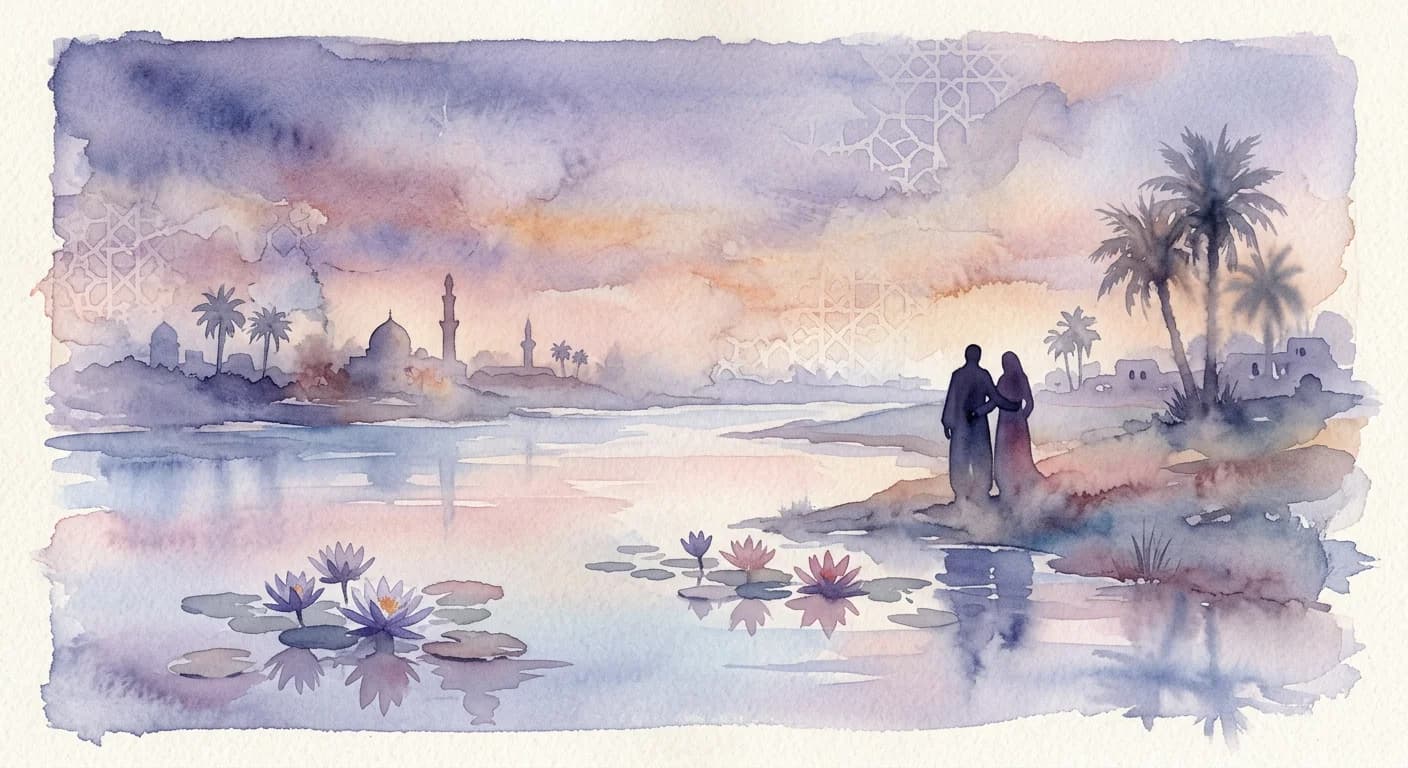
    Artistic representation of Tuqburni
    Arabic•
    🇪🇬Egypt

    Tuqburni

    /took-BOOR-nee/

    Meaning

    This profound Arabic term expresses an intense, almost overwhelming love and devotion, so deep that one wishes their beloved would outlive them, thereby sparing them the unbearable pain of their absence. It's a declaration that the speaker's life would cease to have meaning without the presence of the person they address, signifying an existence inextricably intertwined with another. The phrase captures a raw, visceral fear of loss and a desire to be spared the ultimate grief of outliving a loved one, highlighting the irreplaceable nature of that person in one's life and the profound emptiness their departure would create.

    Literal Translation

    You bury me

    The Story Behind the Word

    The concept of "Tuqburni" is deeply rooted in the communal and familial values prevalent in Egyptian and broader Arab cultures. Life is often viewed through the lens of interconnectedness, where an individual's identity and well-being are significantly tied to their family and loved ones. This phrase reflects a cultural understanding of grief as a communal burden, and the loss of a cherished individual as a profound rupture in the social and emotional fabric. It speaks to a society where the emotional bond is openly expressed and highly valued, and where the pain of separation is acknowledged as a potentially life-altering event. The wish to die first, rather than endure the loss, underscores a romantic ideal of devotion and an aversion to a solitary existence devoid of one's anchor.

    Experience It

    A Mother's Love

    An elderly mother, watching her adult child leave for a long journey, embraces them tightly. With tears in her eyes, she whispers, 'Tuqburni, my dearest,' conveying her profound love and the unimaginable pain she would feel if she were to outlive them.

    Lovers' Farewell

    A couple parting after a heartfelt evening, holding hands, gazes into each other's eyes. One softly says, 'Tuqburni,' a tender declaration that their life's joy is so intertwined with the other's presence that they dread a world without them.

    The Deeper Meaning

    This word reveals a philosophy where individual existence is deeply intertwined with relational bonds. It posits that true well-being and meaning are often found in the presence of others, particularly those held most dear. The fear of outliving a loved one isn't just about personal grief, but about the profound disruption to one's very identity and purpose, suggesting a worldview where love is an essential life force.

    Did You Know?

    While literally meaning 'you bury me,' the phrase is not morbid but an ultimate expression of love, signifying life's purpose is tied to the beloved's existence.

    How It's Used

    Typically used in intimate relationships, often between lovers or close family members, to express the depth of one's affection and the irreplaceable nature of the beloved.

    Emotions
    gratitude,longing,love,melancholy
    Contexts
    family,farewell,romance
    🇪🇬Egypt

    by Sofia Rossi·Written Mar 14, 2026·Updated Apr 3, 2026

    Related Words

    Explore more
    SaudadePortuguese

    Saudade encapsulates a profound, melancholic longing for something or someone cherished that is absent, often with the bittersweet knowledge that it may never return. It's a deep emotional state tinged with nostalgia, evoking a sense of loss for past experiences, places, or people, yet also holding a tender appreciation for the beauty of what once was. This yearning is not merely sadness, but a complex tapestry of desire, memory, and a poignant acceptance of absence, holding the beloved in a warm, persistent embrace within the heart.

    Pura vidaSpanish

    More than just 'pure life,' "Pura vida" encapsulates a profound philosophy of embracing the present moment with unwavering optimism and gratitude. It's a daily commitment to finding joy in simple pleasures, accepting life's challenges with a positive spirit, and prioritizing well-being over material possessions. This ubiquitous phrase reflects a national identity built on resilience, community, and an deep appreciation for nature's bounty.

    MamihlapinatapaiYaghan

    Mamihlapinatapai encapsulates that profound, unspoken moment when two individuals lock eyes, each silently acknowledging a mutual desire or intention, yet both hesitate to be the first to act upon it. It's a delicate dance of anticipation, a shared gaze brimming with common understanding and a quiet longing for the other to break the ice. This intricate look carries the weight of a shared, uninitiated potential, a silent conversation where both parties are perfectly aware of what could happen, but neither makes the first move.

    TarofPersian

    Tarof is a deeply ingrained Iranian social custom, a delicate dance of politeness and deference where individuals engage in an elaborate exchange of offers and refusals. It's a performative humility, a way of showing respect and avoiding imposing, often involving multiple cycles of insistence and polite decline before a genuine acceptance or refusal is reached. This intricate ritual governs interactions from sharing food to paying bills, creating a nuanced social ballet.