U.
HomeRegionsLanguagesEmotionsCollections
Find Your Word

“The limits of my language mean the limits of my world.”

— Ludwig Wittgenstein, Philosopher

Untranslatable

A curated collection of the world's most beautiful expressions—words that remind us language is humanity's greatest invention.

  • Home
  • Collections
  • Regions
  • Countries
  • Emotions
  • Tags
  • Contexts
  • Finder
  • Europe
  • Asia
  • Americas
  • Africa
  • Middle East
  • About
  • Contact
  • Privacy Policy
  • Terms of Service

2026 © Untranslatable. All rights reserved.

    /
    /
    1. Home
    2. /
    3. Europe
    4. /
    5. Anam cara
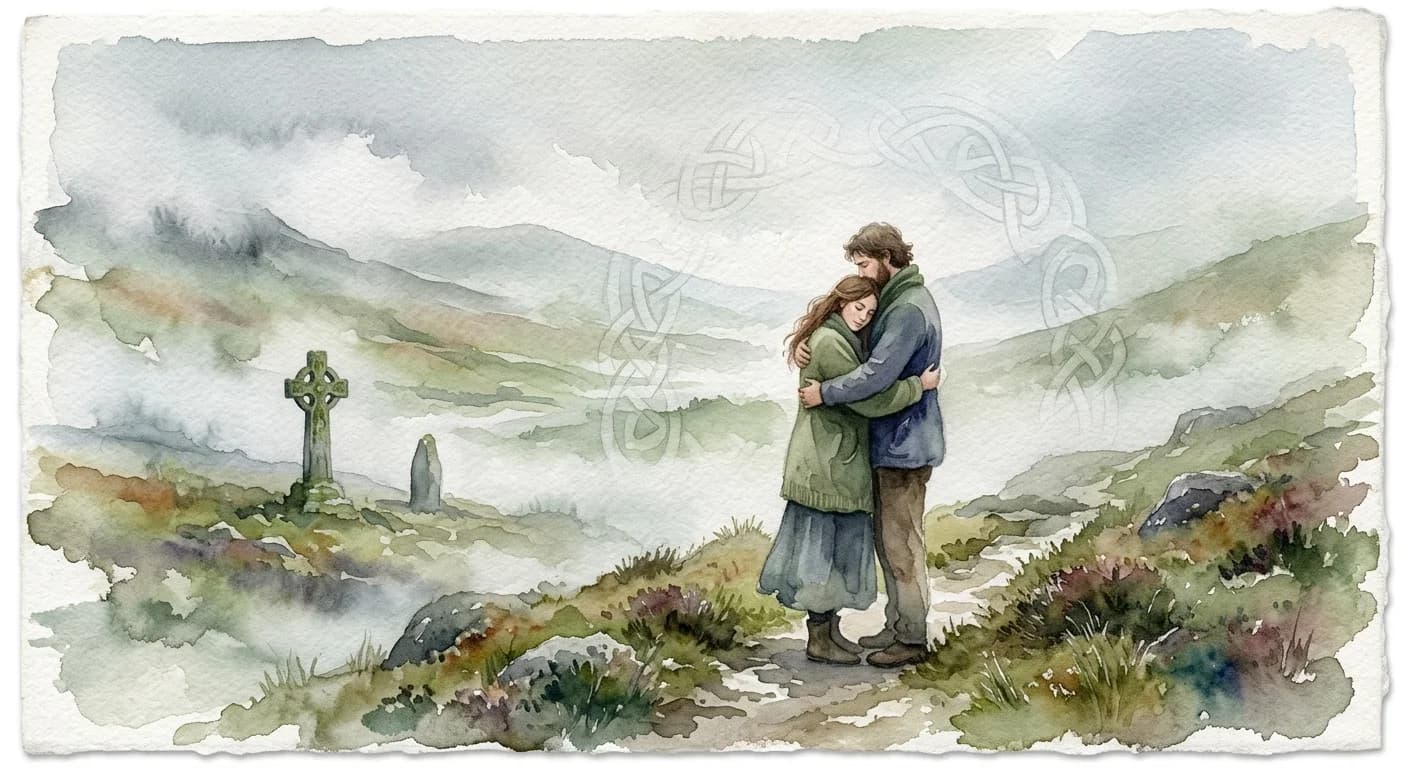
    Artistic representation of Anam cara
    Irish•
    🇮🇪Ireland

    Anam cara

    /AH-num KAH-rah/

    Meaning

    Anam cara, literally 'soul friend' in Irish Gaelic, describes a profound, spiritual kinship where two individuals connect on an exceptionally deep level. It signifies a relationship built on absolute trust, transparency, and a shared understanding that transcends the superficial. With an anam cara, one can reveal their innermost self, vulnerabilities, and aspirations without fear of judgment, experiencing a rare and affirming sense of belonging and mutual acceptance.

    Literal Translation

    soul friend

    The Story Behind the Word

    The concept of 'anam cara' is deeply rooted in early Celtic Christianity, particularly in the monastic traditions of Ireland. Monks and spiritual teachers would often have an 'anam cara' with whom they could share their spiritual journey, confess their struggles, and receive guidance and solace. This practice reflects a worldview where spiritual growth was not a solitary endeavor but a shared path requiring profound interpersonal connection and mentorship. It highlights the Irish emphasis on community, empathy, and the sacredness of human relationships. The term suggests that true wisdom and healing often come through authentic connection with another soul who sees and accepts you fully, fostering a sense of interconnectedness that was vital in a close-knit society.

    Experience It

    Shared Grief, Unspoken Comfort

    After losing her mother, Aoife found solace not in words, but in the quiet presence of her anam cara, Liam. He simply sat with her, understanding the depth of her pain without needing a single explanation, their shared silence a testament to their profound bond.

    Unveiling True Self

    During a late-night conversation, Seamus confessed his deepest fears about his career path to his anam cara, Maeve. He knew she would listen without judgment, offering not just advice, but a deep affirmation of his authentic self and aspirations.

    The Deeper Meaning

    The existence of 'anam cara' reveals a philosophy that values authentic self-disclosure and mutual spiritual support as cornerstones of human flourishing. It posits that true understanding and personal growth are often facilitated through the mirror of another soul who sees beyond superficialities. This concept challenges individualistic notions of self-discovery, suggesting instead that our deepest truths are often best explored and affirmed within a sacred, trusting bond.

    Did You Know?

    The term 'anam cara' was popularized globally by Irish poet and philosopher John O'Donohue, who wrote extensively about its spiritual significance in his book 'Anam Cara: A Book of Celtic Wisdom'.

    How It's Used

    This term is used to describe a very close, intimate, and spiritual friendship, often considered a soulmate connection.

    Emotions
    belonging,comfort,love,peace
    Contexts
    family,friendship,romance
    🇮🇪Ireland

    by Sofia Rossi·Written Mar 14, 2026·Updated Apr 3, 2026

    Related Words

    Explore more
    HyggeDanish

    Hygge is more than mere coziness; it's a holistic embrace of comfort, warmth, and belonging that nourishes the soul. It describes the intentional creation of an intimate atmosphere where simple pleasures, genuine connection, and mindful presence converge, fostering a profound sense of contentment and well-being. It's about finding joy and peace in the small, everyday moments, often shared with loved ones.

    SaudadePortuguese

    Saudade encapsulates a profound, melancholic longing for something or someone cherished that is absent, often with the bittersweet knowledge that it may never return. It's a deep emotional state tinged with nostalgia, evoking a sense of loss for past experiences, places, or people, yet also holding a tender appreciation for the beauty of what once was. This yearning is not merely sadness, but a complex tapestry of desire, memory, and a poignant acceptance of absence, holding the beloved in a warm, persistent embrace within the heart.

    GezelligDutch

    Gezellig encapsulates a profound sense of warmth, belonging, and convivial comfort, extending beyond mere coziness to embrace the social and emotional atmosphere. It's the feeling of being truly at ease, surrounded by good company, laughter, and a shared sense of contentment. This untranslatable term describes not just a physical space, but a holistic experience where time seems to slow down, fostering genuine connection and a deep sense of well-being.

    Dolce far nienteItalian

    Dolce far niente captures the profound joy and effortless pleasure derived from simply existing without obligation or purpose. It's the art of savoring moments of pure, unadulterated idleness – lying in the sun, watching the clouds drift, or enjoying a leisurely coffee – not as a break from work, but as a valuable state in itself. This 'sweetness of doing nothing' is a conscious embrace of stillness and contentment, allowing the soul to breathe and the senses to fully engage with the present.