U.
HomeRegionsLanguagesEmotionsCollections
Find Your Word

“The limits of my language mean the limits of my world.”

— Ludwig Wittgenstein, Philosopher

Untranslatable

A curated collection of the world's most beautiful expressions—words that remind us language is humanity's greatest invention.

  • Home
  • Collections
  • Regions
  • Countries
  • Emotions
  • Tags
  • Contexts
  • Finder
  • Europe
  • Asia
  • Americas
  • Africa
  • Middle East
  • About
  • Contact
  • Privacy Policy
  • Terms of Service

2026 © Untranslatable. All rights reserved.

    /
    /
    1. Home
    2. /
    3. Europe
    4. /
    5. Абырвалг
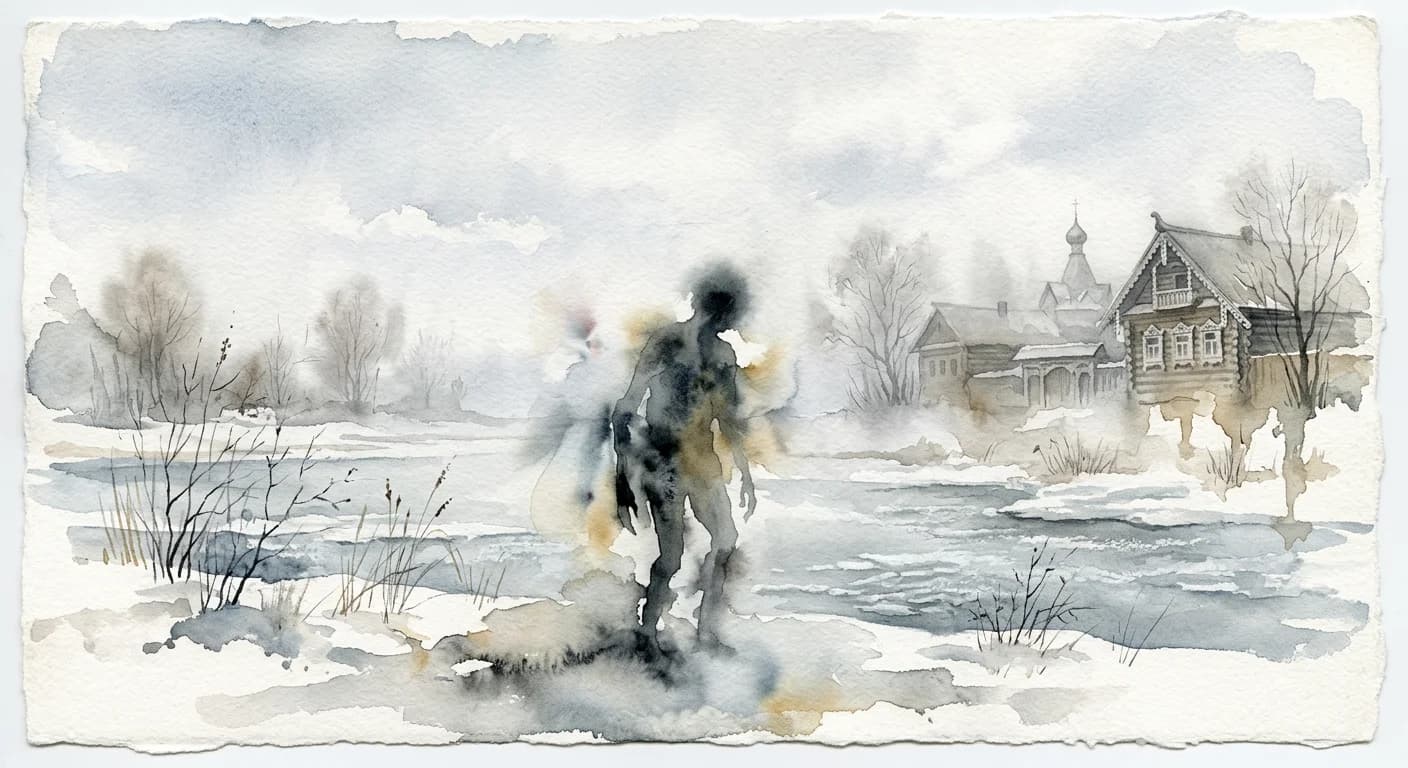
    Artistic representation of Абырвалг
    Russian•
    🇷🇺Russia

    Абырвалг

    /AH-beer-vahlg/

    Meaning

    Абырвалг is a nonsensical neologism from Mikhail Bulgakov's satirical novel "Heart of a Dog," famously uttered by the transformed dog Sharik. It is a grotesque, reversed portmanteau of the Russian words for 'dog' and 'eat,' symbolizing the chaotic and often absurd transformation of a stray animal into a vulgar, debased human. This word encapsulates the unsettling disfigurement of natural order and the creation of something inherently artificial and disturbing, yet disturbingly human-like.

    Literal Translation

    Reversed 'dog eat'

    The Story Behind the Word

    Абырвалг is deeply embedded in Russian literary and cultural consciousness through Bulgakov's "Heart of a Dog." Written in 1925 but suppressed in the Soviet Union until the late 1980s, the novel is a scathing allegory of the Bolshevik revolution and its attempts to create a "new Soviet man" by radically transforming society. The word 'Абырвалг' itself, a nonsensical utterance, reflects the regime's forced, unnatural reordering of life and language. It embodies the fear of uncontrolled, grotesque experimentation and the tragicomic outcomes of utopian social engineering. The word exists as a shorthand for something fundamentally 'wrong' or 'upside down' in a deeply unsettling, almost primal way, resonating with a society that experienced radical, often violent, societal shifts and the distortion of traditional values.

    Experience It

    A Bureaucratic Nightmare

    After navigating six different departments and filling out countless forms for a simple permit, Maria threw her hands up. 'This whole system is just an абырвалг!' she exclaimed, utterly defeated by the illogical bureaucracy.

    Artistic Chaos

    The avant-garde performance piece featured discordant sounds, abstract movements, and a narrative that seemed to loop back on itself. One critic mused, 'It was a true абырвалг of artistic expression, both baffling and strangely compelling.'

    The Deeper Meaning

    This word encapsulates a profound skepticism towards radical social engineering and the hubris of attempting to create a 'new' human or societal order through artificial means. It speaks to the inherent dangers of distorting natural processes and the potential for such interventions to produce grotesque, unintended consequences, rather than the intended improvements. It questions the very notion of what constitutes 'humanity' when stripped of its organic development.

    Did You Know?

    The word 'Абырвалг' is not just a random sound; it's literally 'Главрыба' (Glavryba - 'Chief Fish'), a Soviet state fish industry trust, spelled backward by Sharik, highlighting his fragmented understanding of the human world.

    How It's Used

    Used primarily as a literary reference to Bulgakov's novel, often to denote something nonsensical, absurd, or representing a grotesque, debased state of being. It's not used in everyday conversation but is recognized by those familiar with Russian literature.

    Emotions
    melancholy,wonder
    Contexts
    celebration,work
    🇷🇺Russia

    by Sofia Rossi·Written Mar 14, 2026·Updated Apr 3, 2026

    Related Words

    Explore more
    HyggeDanish

    Hygge is more than mere coziness; it's a holistic embrace of comfort, warmth, and belonging that nourishes the soul. It describes the intentional creation of an intimate atmosphere where simple pleasures, genuine connection, and mindful presence converge, fostering a profound sense of contentment and well-being. It's about finding joy and peace in the small, everyday moments, often shared with loved ones.

    SaudadePortuguese

    Saudade encapsulates a profound, melancholic longing for something or someone cherished that is absent, often with the bittersweet knowledge that it may never return. It's a deep emotional state tinged with nostalgia, evoking a sense of loss for past experiences, places, or people, yet also holding a tender appreciation for the beauty of what once was. This yearning is not merely sadness, but a complex tapestry of desire, memory, and a poignant acceptance of absence, holding the beloved in a warm, persistent embrace within the heart.

    GezelligDutch

    Gezellig encapsulates a profound sense of warmth, belonging, and convivial comfort, extending beyond mere coziness to embrace the social and emotional atmosphere. It's the feeling of being truly at ease, surrounded by good company, laughter, and a shared sense of contentment. This untranslatable term describes not just a physical space, but a holistic experience where time seems to slow down, fostering genuine connection and a deep sense of well-being.

    Dolce far nienteItalian

    Dolce far niente captures the profound joy and effortless pleasure derived from simply existing without obligation or purpose. It's the art of savoring moments of pure, unadulterated idleness – lying in the sun, watching the clouds drift, or enjoying a leisurely coffee – not as a break from work, but as a valuable state in itself. This 'sweetness of doing nothing' is a conscious embrace of stillness and contentment, allowing the soul to breathe and the senses to fully engage with the present.