Courroux
/koo-ROO/
Meaning
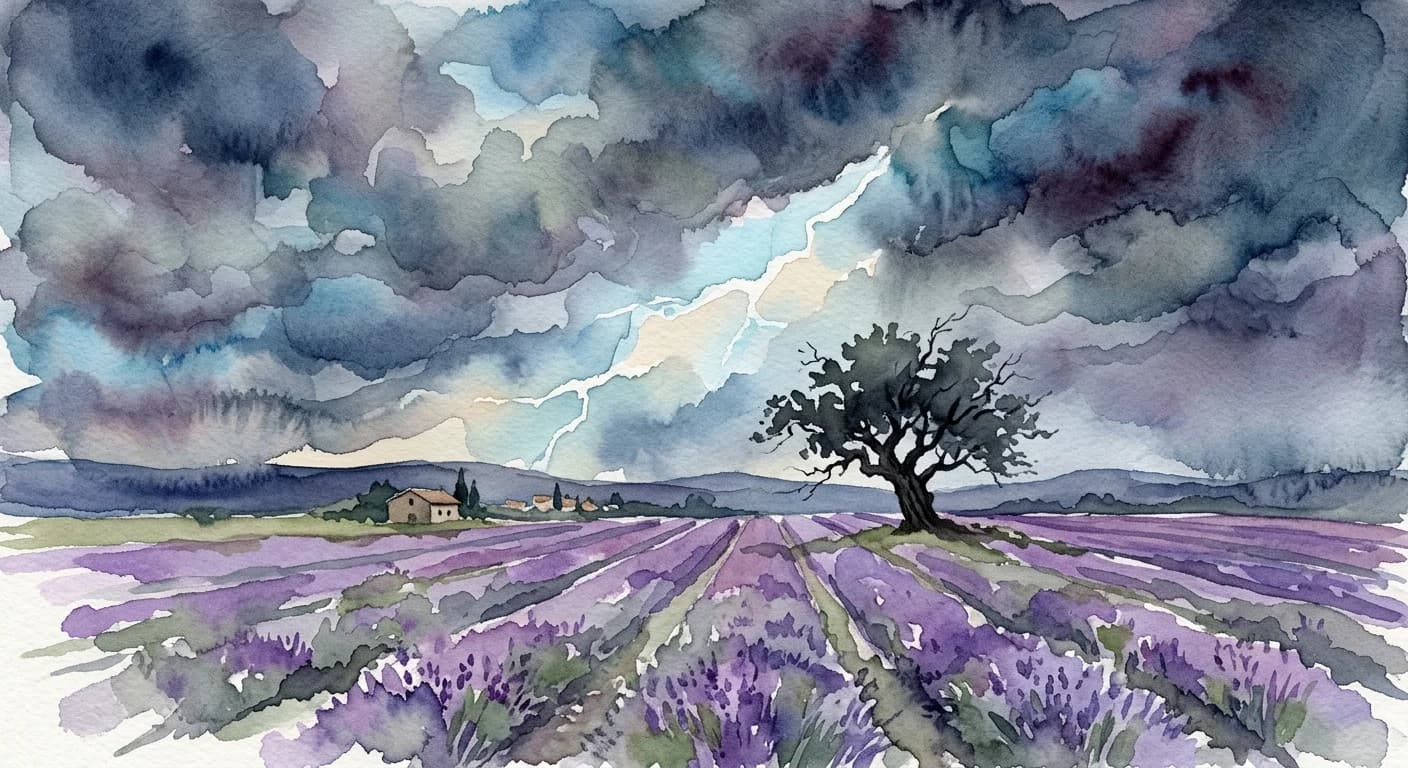
Courroux is not mere anger, but a profound and often sudden surge of wrath, akin to a tempestuous storm brewing within. It signifies a visceral, almost primal fury that overwhelms reason, manifesting as a loss of composure and a potent, unsettling display of extreme displeasure. This intense indignation can feel like an uncontrollable force, capable of lashing out with the raw power of nature itself, leaving an indelible mark on those who witness its eruption.
Literal Translation
rage, anger
The Story Behind the Word
The word "courroux" carries a historical weight, often associated with divine displeasure or the wrath of rulers in French literature and history. It evokes a sense of majesty and power, distinct from everyday annoyance, suggesting that such profound anger is not merely personal but can have significant, far-reaching consequences. Its existence in the French lexicon highlights a cultural appreciation for precise emotional nuance, particularly in describing powerful, dramatic states. It reflects a society that acknowledges the formidable and sometimes terrifying aspect of unrestrained emotion, often seeing it as a force that demands respect, whether in a king's decree or nature's fury. The word suggests that some angers are so immense, they transcend the individual and take on an almost mythic quality.
Experience It
The King's Courroux
Upon hearing of the betrayal, the king's face darkened, his eyes flashing with a terrible light. His courroux was palpable, silencing the entire court as he slammed his fist on the throne, a clear signal of the severe repercussions to come.
Nature's Fury
The fisherman watched in horror as the calm sea rapidly transformed into a churning maelstrom. The courroux of the ocean, whipped by the sudden gale, swallowed his small boat whole, leaving no trace.
The Deeper Meaning
This word reveals a cultural understanding that anger can transcend mere emotion, becoming a force of nature or a divine judgment. It suggests a philosophical acceptance of powerful, often destructive, emotional states as inherent to human and even cosmic experience, demanding reverence or caution rather than just dismissal. It acknowledges the sublime, terrifying aspect of unfettered wrath.
Did You Know?
Did you know "courroux" is etymologically linked to the Latin "corruptus," meaning "broken" or "spoiled," hinting at the destructive and unsettling nature of this intense anger?
How It's Used
Used to describe a state of intense anger or fury.