U.
HomeRegionsLanguagesEmotionsCollections
Find Your Word

“The limits of my language mean the limits of my world.”

— Ludwig Wittgenstein, Philosopher

Untranslatable

A curated collection of the world's most beautiful expressions—words that remind us language is humanity's greatest invention.

  • Home
  • Collections
  • Regions
  • Countries
  • Emotions
  • Tags
  • Contexts
  • Finder
  • Europe
  • Asia
  • Americas
  • Africa
  • Middle East
  • About
  • Contact
  • Privacy Policy
  • Terms of Service

2026 © Untranslatable. All rights reserved.

    /
    /
    1. Home
    2. /
    3. Europe
    4. /
    5. Douleur exquise
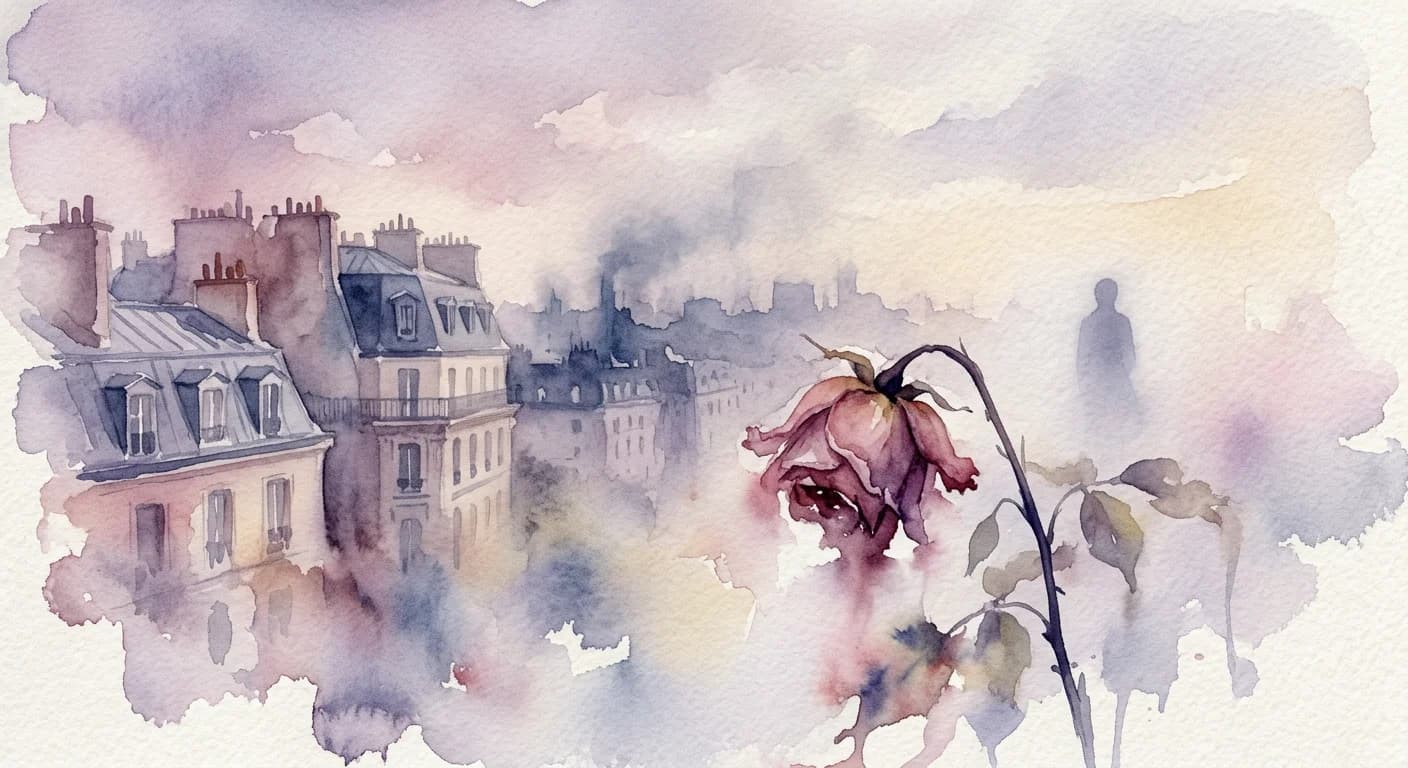
    Artistic representation of Douleur exquise
    French•
    🇫🇷France

    Douleur exquise

    /doo-LUHR ex-keeZ/

    Meaning

    "Douleur exquise" captures the piercing, yet oddly cherished, agony of a love or desire that can never be fully realized. It's the sophisticated melancholy that arises when one's heart is irrevocably tethered to an unattainable person or an impossible dream, creating a bittersweet suffering. This isn't mere sadness, but a refined heartbreak, often tinged with a poetic appreciation for the very depth of the feeling, even as it causes profound sorrow.

    Literal Translation

    Exquisite pain

    The Story Behind the Word

    The concept of "douleur exquise" is deeply rooted in the French Romantic tradition, echoing the literary movements of the 18th and 19th centuries where intense emotion, often melancholic, was celebrated as a sign of profound sensibility and artistic depth. French culture has historically valued emotional nuance and intellectualized suffering, seeing it not merely as something to be overcome, but as a source of aesthetic and philosophical insight. This phrase reflects a worldview where the human experience is rich with paradox: pain can be beautiful, and longing can be a testament to the soul's capacity for love, even if unfulfilled. It reveals a society that appreciates the complexity of the human heart, where passion, even in its most agonizing forms, is considered a noble pursuit, rather than a weakness.

    Experience It

    Unseen Admiration

    He watched her from afar, crafting entire worlds in his mind where they were together, knowing she was utterly unaware of his devotion. The ache in his chest was a constant companion, a "douleur exquise" he wouldn't trade, for it was the purest expression of his love.

    Lost Memory's Embrace

    She found an old letter from a love long past, a connection severed by circumstance. Reading his words, a wave of "douleur exquise" washed over her – a beautiful, sharp pang for what was, and what could never be again, yet she held onto the feeling, cherishing the memory it evoked.

    The Deeper Meaning

    This phrase suggests a philosophical acceptance, even an embrace, of suffering as an integral part of the human condition, particularly in matters of the heart. It elevates emotional pain from a mere negative experience to a complex, almost artistic, state of being. It implies that true feeling, even when it hurts, is more valuable than emotional apathy, revealing a profound appreciation for the intensity of existence.

    Did You Know?

    The phrase gained significant popular awareness and usage after its inclusion in the 2001 French film "Amélie," where it describes the protagonist's profound longing.

    How It's Used

    Used to describe the specific emotional pain associated with unrequited love, unattainable desires, or the melancholic beauty found in certain forms of suffering.

    Emotions
    bittersweet,longing,love,melancholy
    Contexts
    farewell,romance
    🇫🇷France

    by Anya Petrova·Written Mar 14, 2026·Updated Apr 3, 2026

    Related Words

    Explore more
    HyggeDanish

    Hygge is more than mere coziness; it's a holistic embrace of comfort, warmth, and belonging that nourishes the soul. It describes the intentional creation of an intimate atmosphere where simple pleasures, genuine connection, and mindful presence converge, fostering a profound sense of contentment and well-being. It's about finding joy and peace in the small, everyday moments, often shared with loved ones.

    SaudadePortuguese

    Saudade encapsulates a profound, melancholic longing for something or someone cherished that is absent, often with the bittersweet knowledge that it may never return. It's a deep emotional state tinged with nostalgia, evoking a sense of loss for past experiences, places, or people, yet also holding a tender appreciation for the beauty of what once was. This yearning is not merely sadness, but a complex tapestry of desire, memory, and a poignant acceptance of absence, holding the beloved in a warm, persistent embrace within the heart.

    GezelligDutch

    Gezellig encapsulates a profound sense of warmth, belonging, and convivial comfort, extending beyond mere coziness to embrace the social and emotional atmosphere. It's the feeling of being truly at ease, surrounded by good company, laughter, and a shared sense of contentment. This untranslatable term describes not just a physical space, but a holistic experience where time seems to slow down, fostering genuine connection and a deep sense of well-being.

    Dolce far nienteItalian

    Dolce far niente captures the profound joy and effortless pleasure derived from simply existing without obligation or purpose. It's the art of savoring moments of pure, unadulterated idleness – lying in the sun, watching the clouds drift, or enjoying a leisurely coffee – not as a break from work, but as a valuable state in itself. This 'sweetness of doing nothing' is a conscious embrace of stillness and contentment, allowing the soul to breathe and the senses to fully engage with the present.

    Featured in 1 collection

    💖Romantic Currents