Fado
/FAH-doo/
Meaning
Fado is the melancholic song of the Portuguese soul, a haunting musical genre born from the maritime laments of sailors and the longing of a nation forever marked by emigration and destiny. It is a profound expression of saudade, an untranslatable yearning for what is lost or absent, woven into narratives of love, fate, and the bittersweet acceptance of life's hardships. More than music, it's a cathartic emotional landscape where resignation and resilience intertwine, echoing the enduring spirit of Portugal.
Literal Translation
Fate
The Story Behind the Word
Fado's origins are debated, often traced to the bustling port districts of Lisbon in the 19th century, mingling African slave rhythms, Brazilian modinhas, and traditional Portuguese folk songs. It became the voice of the marginalized – sailors, dockworkers, and prostitutes – giving voice to their struggles and sorrows. During the Estado Novo dictatorship, Fado was co-opted as a symbol of national identity, its themes of fate and longing subtly reinforcing a sense of national passivity. However, its enduring power lies in its ability to transcend political manipulation, remaining a raw, authentic channel for collective emotion. It reveals a culture deeply attuned to the ephemeral nature of happiness, finding beauty and catharsis in melancholy, and accepting a certain destiny (fado) that shapes individual and national narratives.
Experience It
Lisbon Fado House
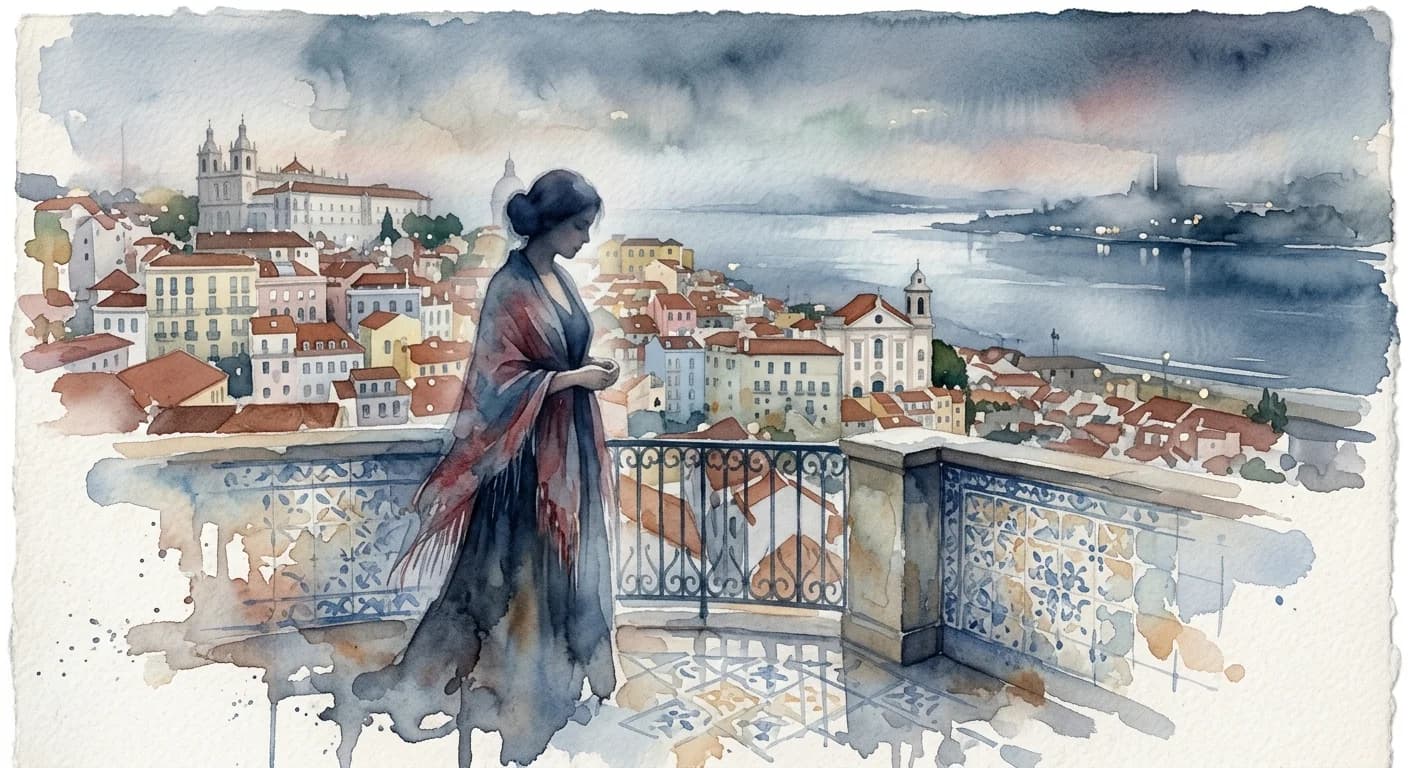
In a dimly lit Alfama 'casa de fado,' a singer, dressed in black, closes her eyes as the mournful guitars begin. Her voice, raw with emotion, fills the room, each note conveying centuries of longing and unspoken tales. The audience sits in hushed reverence, many with tears in their eyes, feeling the collective 'fado' of their shared history and personal sorrows.
Emigrant's Farewell
A young Portuguese woman, about to emigrate, listens to her grandmother sing an old fado. The lyrics speak of separation and the pain of leaving home. As the melody swells, she feels a profound sense of 'fado' – the destiny that pulls her away, yet forever binds her to her homeland and the bittersweet memories she carries.
The Deeper Meaning
Fado embodies a profound philosophical acceptance of 'fate' as an inescapable force, not necessarily punitive, but simply the hand dealt by life. It encourages a resignation that is not passive despair, but a dignified acknowledgement of life's inherent sorrows and the transient nature of joy. This worldview finds beauty and meaning in shared suffering, fostering resilience through collective emotional expression rather than individual defiance against destiny.
Did You Know?
Fado was added to UNESCO's Intangible Cultural Heritage Lists in 2011, recognizing its profound cultural significance and its role as a unique expression of Portuguese identity.
How It's Used
Fado is primarily associated with a genre of music, characterized by mournful tunes and lyrics, often performed in intimate settings like 'casas de fado' (fado houses) in Portugal, especially Lisbon. It's also used to describe the mood or feeling conveyed by this music.